
For most of its history, Ferrari has been admired for engineering mastery, racing heritage and the cultural aura that surrounds its cars. In recent years, the company has invested heavily in a parallel form of creativity that is less discussed yet increasingly influential. Ferrari has initiated a long term architectural transformation of its Maranello headquarters. This gradual redesign is reshaping the environment where Ferraris are developed and assembled. The shift reflects changes in technology, sustainability requirements and workforce needs. It also mirrors the brand’s strategic preparation for electrification.
Modernising Maranello: A Multiyear Invesement in Facilities
Ferrari has invested considerable resources in the modernisation of its production campus in Maranello, Italy. This process began in the early 2000s and has continued in phases. Several well known architectural firms have contributed to new and renovated facilities. These include Studio Fuksas, Marco Visconti Architects, and Mario Cucinella Architects. The focus has been on sustainable design, improved natural lighting and updated working conditions for employees.
One of the earliest projects was the renovation of the Ferrari Mechanical Machining facilities and the new Ferrari Company Restaurant, both developed with Studio Fuksas in the mid 2000s. These buildings featured extensive glass surfaces, natural light integration and structural transparency that diverged from traditional factory architecture. Ferrari’s intent was to create an environment that supported precision work and employee wellbeing.
Marco Visconti Architects later contributed to developments such as the Ferrari Wind Tunnel renovation and the Power Unit building. These projects placed emphasis on energy efficiency and acoustic optimisation. Ferrari has consistently used architectural design as a means of aligning the physical layout of its production spaces with technological advancements in manufacturing and aerodynamics. The modernisation strategy continued into the 2020s. Ferrari confirmed large scale investments in new infrastructure to support future product development. The company announced in 2022 that it would construct an entirely new building dedicated to the production of electric vehicles. This project represented a decisive step in Ferrari’s long term industrial plan.
The Ferrari E Building: Preparing for Electrification
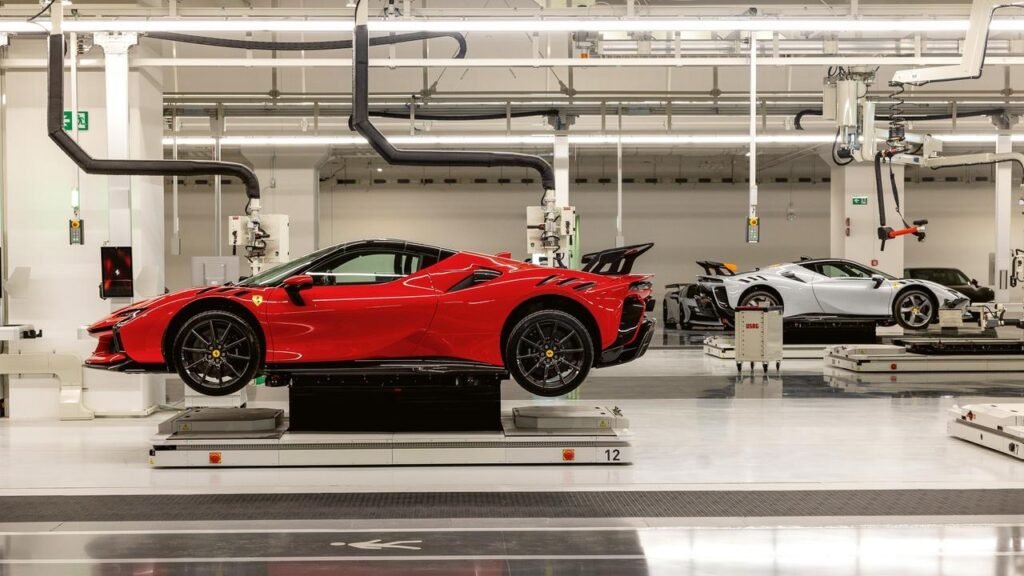
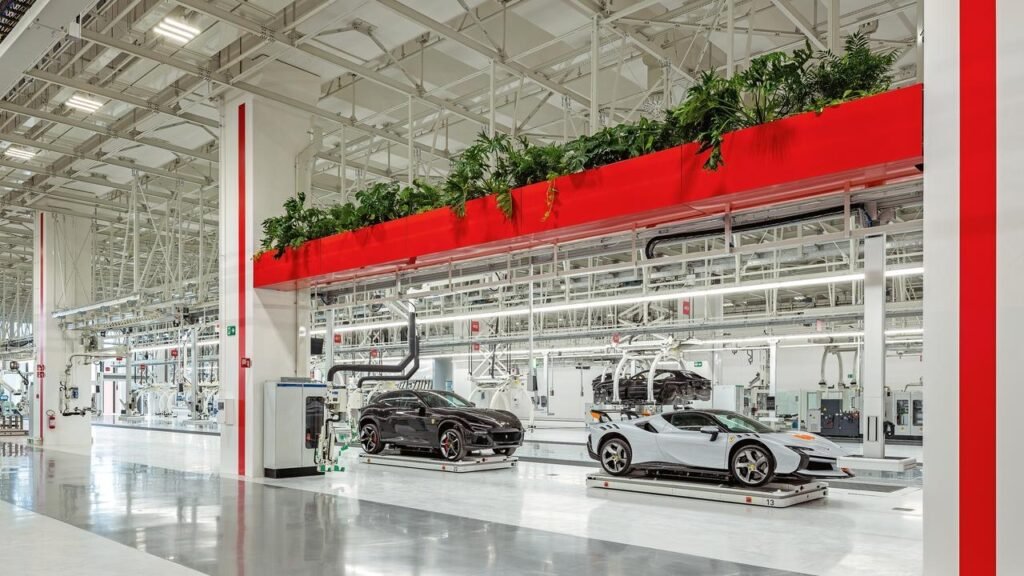
One of the most significant architectural developments at Maranello is the construction of the E Building. Ferrari revealed this project in 2022 during its Capital Markets Day presentation. The facility is designed to host production lines for electric vehicles, hybrid vehicles and internal combustion engine vehicles. It is also intended to support battery assembly and components related to new propulsion technologies.
The E Building is being constructed with the collaboration of Mario Cucinella Architects, an internationally recognised Italian architectural firm known for sustainable and energy efficient design. MCA confirmed its involvement in Ferrari’s future infrastructure projects, highlighting the company’s commitment to environmentally responsible construction. This aligns with Ferrari’s public statements concerning reduced emissions in production and improved environmental performance across its facilities.The building is designed to integrate renewable energy solutions and advanced automation. Ferrari has stated that part of its sustainability strategy involves increased use of photovoltaic systems, optimised thermal regulation and improved waste management processes. The E Building is a key component of this approach. Construction began in 2023 and the facility is expected to become operational in 2024 or 2025 depending on final commissioning timelines.The development of the E Building signals Ferrari’s readiness to enter the electric vehicle market with a fully controlled supply and assembly chain located in Maranello. It also signifies an architectural evolution toward more flexible industrial spaces that can adapt to rapid technological change.
Energy Hub and Sustainable Infrastructure
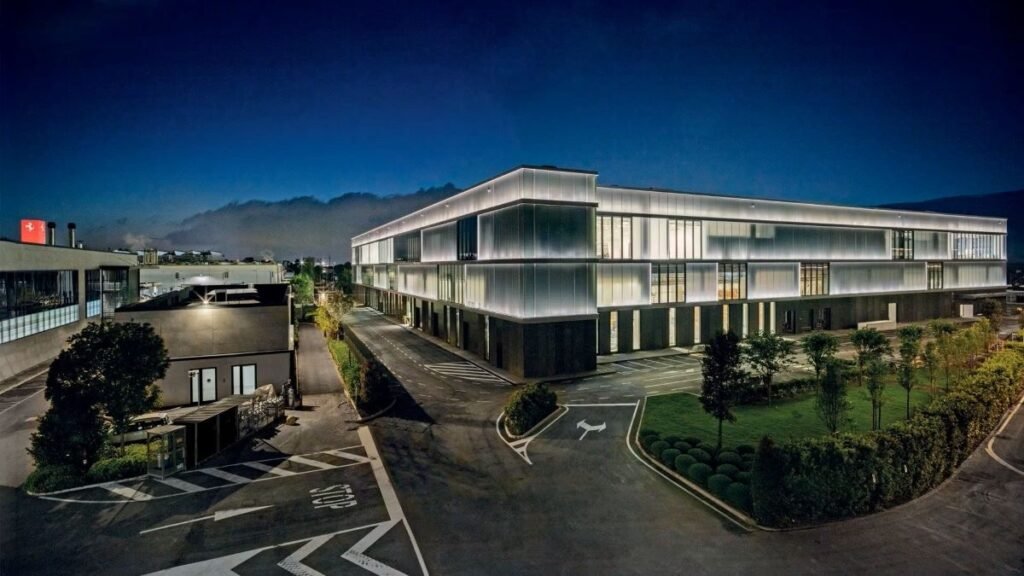
Another major architectural project within the modernisation program is the Ferrari Energy Hub. This structure, also designed by Mario Cucinella Architects, was created to manage the distribution of energy within the Maranello campus. The Energy Hub is part of Ferrari’s broader commitment to achieving lower emissions and improving efficiency in operations.
The Energy Hub features highly insulated surfaces, advanced thermal systems and a layout that facilitates the monitoring of energy consumption. It is designed to integrate renewable sources and reduce the carbon footprint of the overall manufacturing environment. Ferrari’s sustainability reports confirm that the facility contributes to the optimisation of energy use across production lines and administrative structures.
This building illustrates how Ferrari has expanded its architectural focus beyond aesthetics. The company now prioritises environmental responsibility and long term operational resilience. Sustainable architecture supports Ferrari’s goal of reducing CO2 emissions in both the creation and performance of its vehicles.
Alongside the Energy Hub, Ferrari has also improved outdoor landscaping, pedestrian pathways and environmental buffers within the campus. These changes are intended to enhance comfort for employees and to integrate green space into the industrial landscape. The combination of ecological architecture and technical infrastructure demonstrates the brand’s commitment to a balanced approach that acknowledges both heritage and future challenges.
Workplace Design and the Human Factor
Throughout Ferrari’s architectural evolution, one consistent objective has been the improvement of working conditions for employees. Ferrari has repeatedly stated that modern, light filled and carefully planned workspaces contribute to higher quality craftsmanship and overall safety. This philosophy has influenced the design of multiple buildings across the Maranello site.
Natural lighting strategies, open interiors and ergonomic layouts are common elements of the newer facilities. These features were present in early collaborations with Studio Fuksas and continue through the latest projects by MCA. Ferrari’s annual reports and sustainability communications emphasise the importance of employee wellbeing within the company’s organisational culture.
Ferrari has also invested in new training areas and expanded research facilities. These support collaboration across technical departments and help integrate digital design, physical engineering and advanced manufacturing. The architecture of the campus now encourages cross functional communication rather than isolating departments.
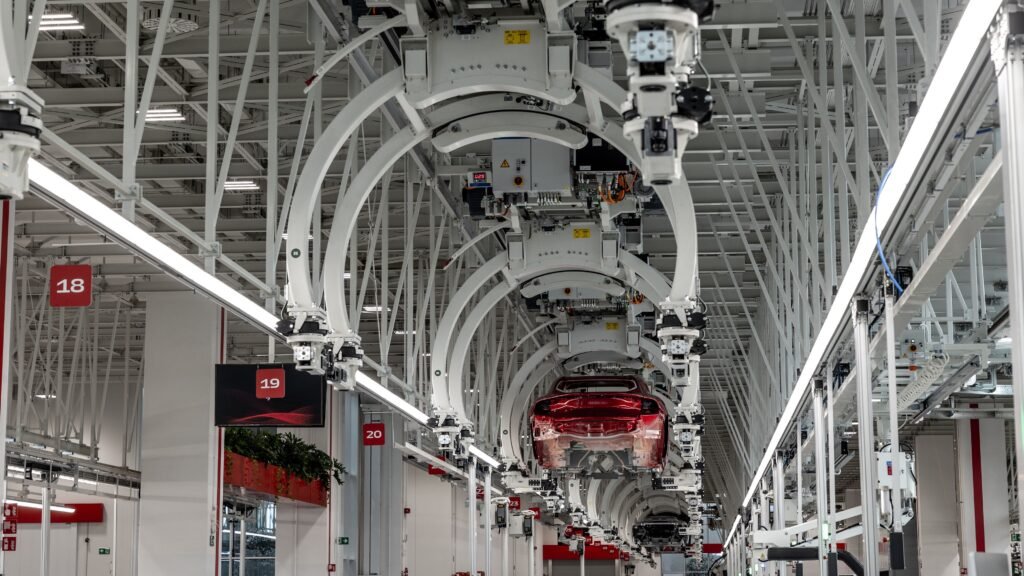
The focus on human centred design aligns Ferrari with contemporary European manufacturing trends. Companies across the region have increasingly recognised that innovative architecture can positively influence productivity and long term employee retention. Ferrari’s approach places the company among leading industrial organisations that use physical environment as a strategic asset.
Written By: Mia Quisumbing
Published On: 5th December 2025