
In 2025, Carbone reaffirmed its position not simply as a high end dining destination, but as a case study in modern luxury economics. While many elite restaurants compete on innovation, experimentation, or conceptual reinvention, Carbone has chosen a different path. It has doubled down on consistency, controlled access, and a carefully preserved aesthetic that prioritizes familiarity over novelty.
Consistency as a Luxury Strategy
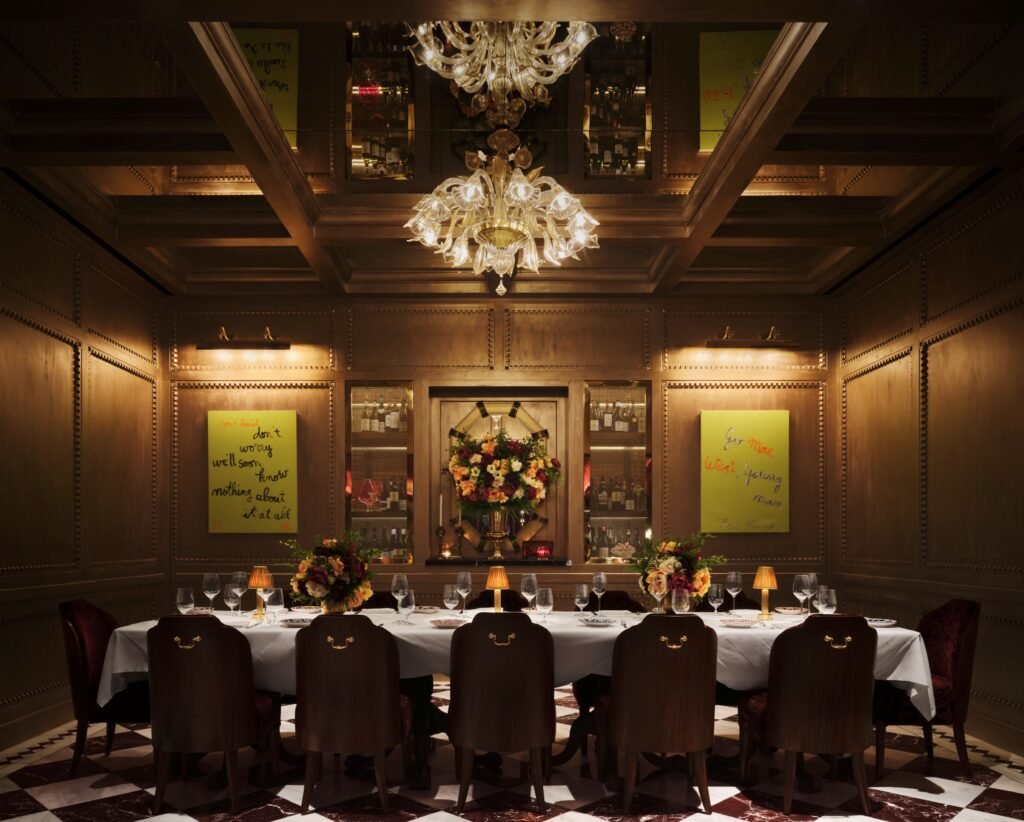
Carbone’s interior design and service model are intentionally timeless. The dining rooms reference mid twentieth century New York Italian American restaurants, but through a highly curated and polished lens. Red leather seating, low lighting, formal table settings, and tuxedoed servers create an atmosphere that feels established rather than trend responsive.
The menu reinforces this strategy. Core dishes such as spicy rigatoni vodka, veal parmesan, and tableside Caesar salad have remained largely unchanged for years. This lack of evolution is not a weakness. It is a signal. Guests return precisely because they know what they will receive. In luxury markets, reliability often carries more value than surprise.
Pricing further supports this positioning. Carbone does not justify its costs through rarity of ingredients or technical complexity. Instead, prices reflect confidence in demand. Portions are generous, flavors are rich, and the experience is intentionally indulgent. This framing places Carbone outside the narrative of intellectual or minimalist fine dining and firmly within a model of unapologetic excess, presented with polish rather than spectacle. By avoiding constant reinvention, Carbone reduces operational risk while strengthening brand identity. The restaurant becomes less vulnerable to trend fatigue and more resilient to shifts in dining fashion. Consistency, in this context, functions as both a creative choice and a financial strategy.
Controlled Access and Social Signalling
One of Carbone’s most effective tools is its management of access. Reservations remain difficult to secure during peak hours, particularly in major markets such as New York and Miami. This scarcity is not the result of limited capacity alone. It is actively maintained through reservation controls and selective availability.
As a result, dining at Carbone has become a form of social signaling. Access implies connection, familiarity, or institutional leverage, often through luxury hotels, concierge services, or personal networks. This dynamic mirrors other luxury sectors, where the ability to obtain an item matters as much as the item itself. The clientele reflects this positioning. Carbone attracts executives, financiers, public figures, and individuals for whom privacy is as important as visibility. The dining room operates as a semi public space where deals are discussed, relationships are reinforced, and presence alone communicates status.

This environment has allowed Carbone to function as a neutral meeting ground across industries. Unlike trend driven restaurants that attract attention through novelty, Carbone offers discretion. Its atmosphere encourages conversation rather than performance. That quality has become increasingly valuable in a cultural landscape shaped by overexposure and constant documentation.
Carbone in the Context of Contemporary Luxury
Carbone’s sustained success offers insight into how luxury consumption is evolving. In recent years, affluent consumers have shown growing fatigue with constant narrative framing. They are less interested in being educated or challenged by experiences and more interested in certainty, comfort, and control. Carbone responds to this shift by removing ambiguity. The experience is clearly defined and consistently delivered. There is no pressure to interpret or intellectualize the meal. Pleasure is the product, and it is presented without apology.
This clarity allows Carbone to transcend typical restaurant cycles. Rather than competing within the fast moving ecosystem of culinary trends, it operates within a slower, more durable framework of brand equity. Its value is reinforced through repetition, scarcity, and social relevance rather than novelty. In this sense, Carbone functions less like a restaurant and more like a luxury asset. It appreciates through reputation, maintains demand through access control, and derives value from its role within elite social systems.
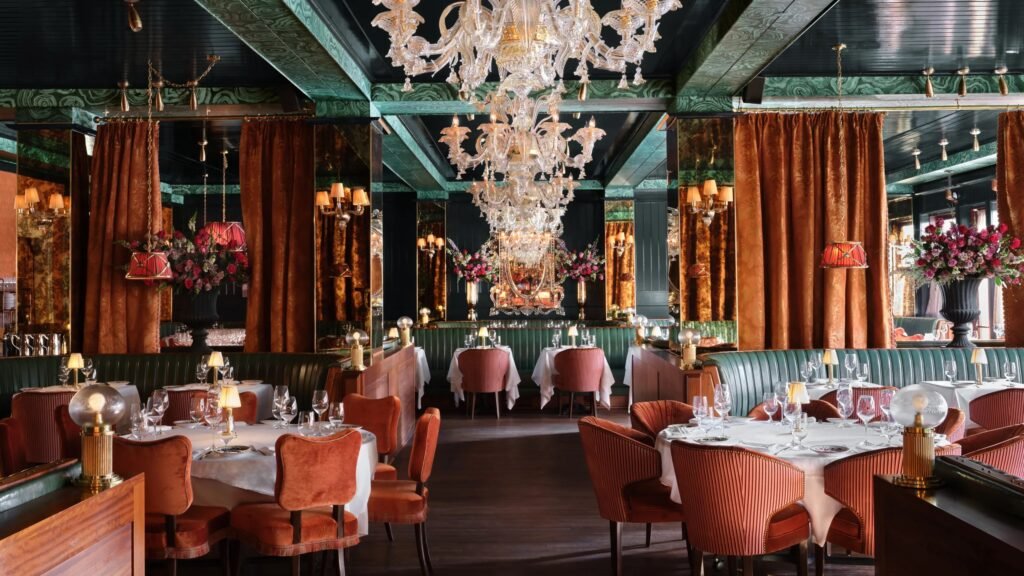
As luxury dining continues to fragment between experimental fine dining and casual premium experiences, Carbone occupies a stable middle ground. It offers indulgence without informality and refinement without abstraction. This balance has allowed it to remain culturally relevant while avoiding overexposure.
In 2025, Carbone’s importance lies not in what it serves, but in what it represents. A model of luxury built on restraint, discipline, and confidence. In an industry defined by constant change, its refusal to change has become its defining strength.
Written By: Mia Quisumbing
Published on: 2nd January 2026