
When Hermès quietly emerged as the buyer behind a roughly $400 million retail property on Rodeo Drive in Beverly Hills, the news barely resembled a traditional fashion headline. There was no runway, no campaign, no celebrity tie in. Yet this single transaction may say more about Hermès’ long term dominance than any handbag launch ever could. In an era where many luxury brands are closing stores, renegotiating leases, and questioning the future of physical retail, Hermès is doing the opposite.
A Record Breaking Bet on Physical Luxury
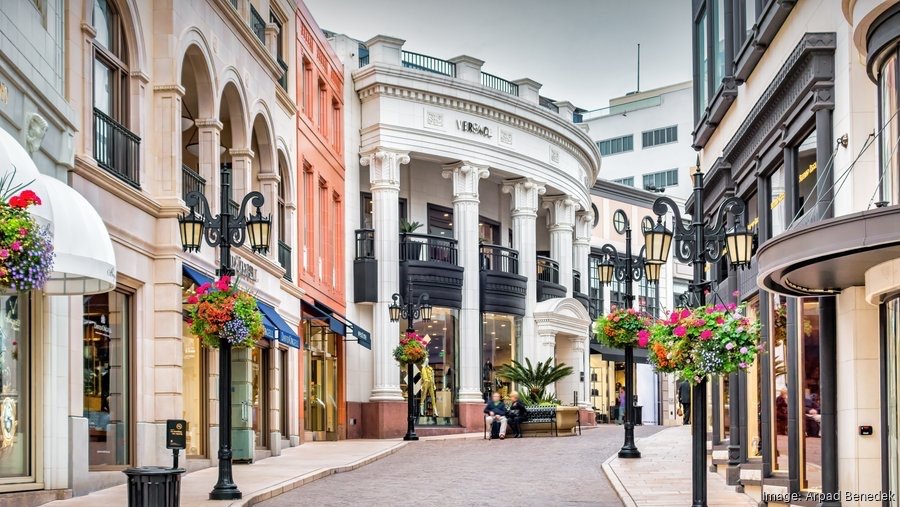
Rodeo Drive is not just a shopping street. It is a global symbol of wealth, aspiration, and exclusivity. By purchasing a prime property outright rather than leasing it, Hermès has made a statement that physical retail remains central to luxury, but only when executed on the brand’s own terms.
At a time when e commerce continues to grow, many luxury houses still rely on flagship stores to communicate status and heritage. Hermès has long treated its boutiques as temples rather than points of sale. Owning the building removes uncertainty around rent hikes, lease expirations, and landlord constraints. It also locks in one of the most valuable retail locations on earth for decades.
This purchase reflects confidence not only in Hermès’ financial strength but in its belief that the ultra wealthy will continue to value in person experiences. For a brand built on craftsmanship and scarcity, controlling the environment where products are discovered is as important as the products themselves.
Control is the Ultimate Luxury Asset
Unlike many competitors, Hermès has resisted rapid expansion and aggressive wholesale distribution. Its model is slow, deliberate, and famously selective. The Rodeo Drive acquisition fits perfectly within this philosophy.
Owning real estate gives Hermès total control over brand presentation, store design, customer flow, and long term strategy. There is no pressure to maximize short term foot traffic or adapt to neighboring tenants. The brand can renovate when it wants, expand when it chooses, and curate the experience without compromise.
This level of control also protects brand equity. Luxury brands that rely heavily on leased spaces are vulnerable to market downturns and shifting landlord priorities. Hermès is effectively insulating itself from these risks. The building becomes part of the brand’s asset base, reinforcing stability in a volatile luxury market. In financial terms, this is not just a cost. It is a balance sheet asset tied to one of the most resilient luxury brands in history.
Why Hermès Can Do What Others Cannot
The ability to make a $400 million property purchase without hesitation highlights how structurally different Hermès is from most of the luxury industry. Hermès consistently reports industry leading margins, minimal discounting, and demand that exceeds supply. Its waiting lists are legendary. Unlike brands chasing growth through volume, Hermès grows by maintaining scarcity and pricing power.
This financial discipline allows the brand to think generationally. While other luxury houses are knowing for store closures and cost cutting, Hermès is investing in assets that signal permanence. The message to consumers and investors is clear. This brand is not reacting to the market. It is shaping it. The Rodeo Drive purchase also contrasts sharply with luxury conglomerates that rely on scale and marketing spend to drive growth. Hermès relies on trust, patience, and consistency. That difference shows up not just in products, but in strategy.
What This Means for the Future of Luxury Retail
Hermès’ real estate move highlights a broader shift in luxury. Physical retail is not dying, but it is becoming more polarized. Mass luxury brands are shrinking footprints, while ultra elite houses are doubling down on landmark locations.
For luxury consumers, this means fewer stores but more immersive ones. Flagships will increasingly resemble cultural spaces rather than shops. For investors and competitors, Hermès’ strategy raises an uncomfortable question. If ownership and control are the future, how many brands can afford to follow? Most cannot. And that is precisely the point. By buying Rodeo Drive, Hermès is reinforcing its position at the very top of the luxury hierarchy. It is not competing on trends, speed, or digital engagement. It is competing on permanence.
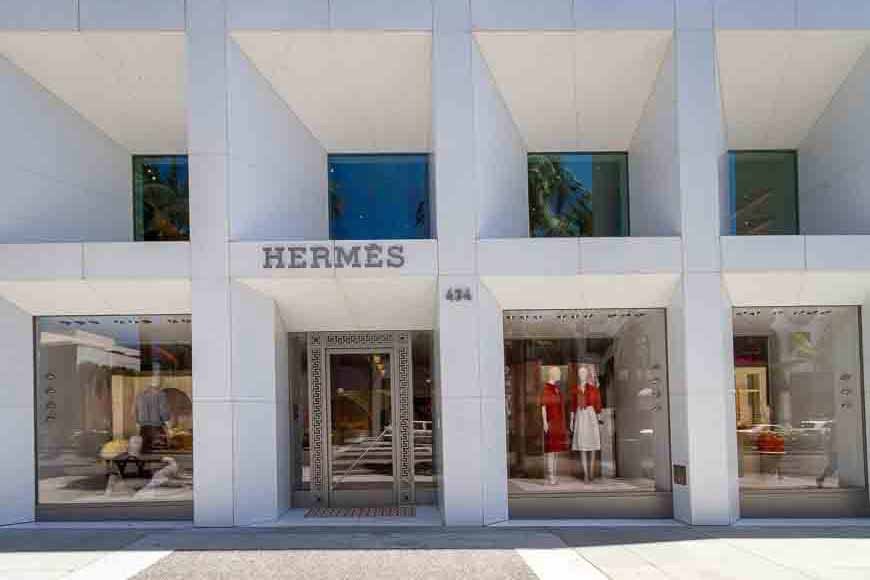
Hermès’ $400 million Rodeo Drive acquisition is not about real estate speculation or retail expansion. It is about dominance. In securing one of the most iconic luxury addresses in the world, the brand has turned physical space into a strategic weapon.
Written By: Mia Quisumbing
Published On: 11th February 2026