
Luxury used to live in boutiques, runways and glossy campaigns. Today it lives at the table. In an era where consumers chase experiences more than objects, fashion houses are expanding beyond clothing into hospitality. Among the most deliberate examples is Gucci Osteria da Massimo Bottura, a collaboration between Gucci and chef Massimo Bottura. What began in Florence as an experimental restaurant inside a museum complex has become a global concept with locations across major luxury capitals.
Fashion Is Becoming Hospitality
Luxury retail faces a structural problem. Online shopping removed the need to visit stores, and resale markets weakened exclusivity tied to ownership. A handbag can be bought anywhere. An experience cannot. Restaurants solve that problem. They require physical presence, create emotional memory and encourage social sharing. Dining inside a brand space transforms a customer from observer to participant. The guest does not just see the brand identity. They inhabit it.
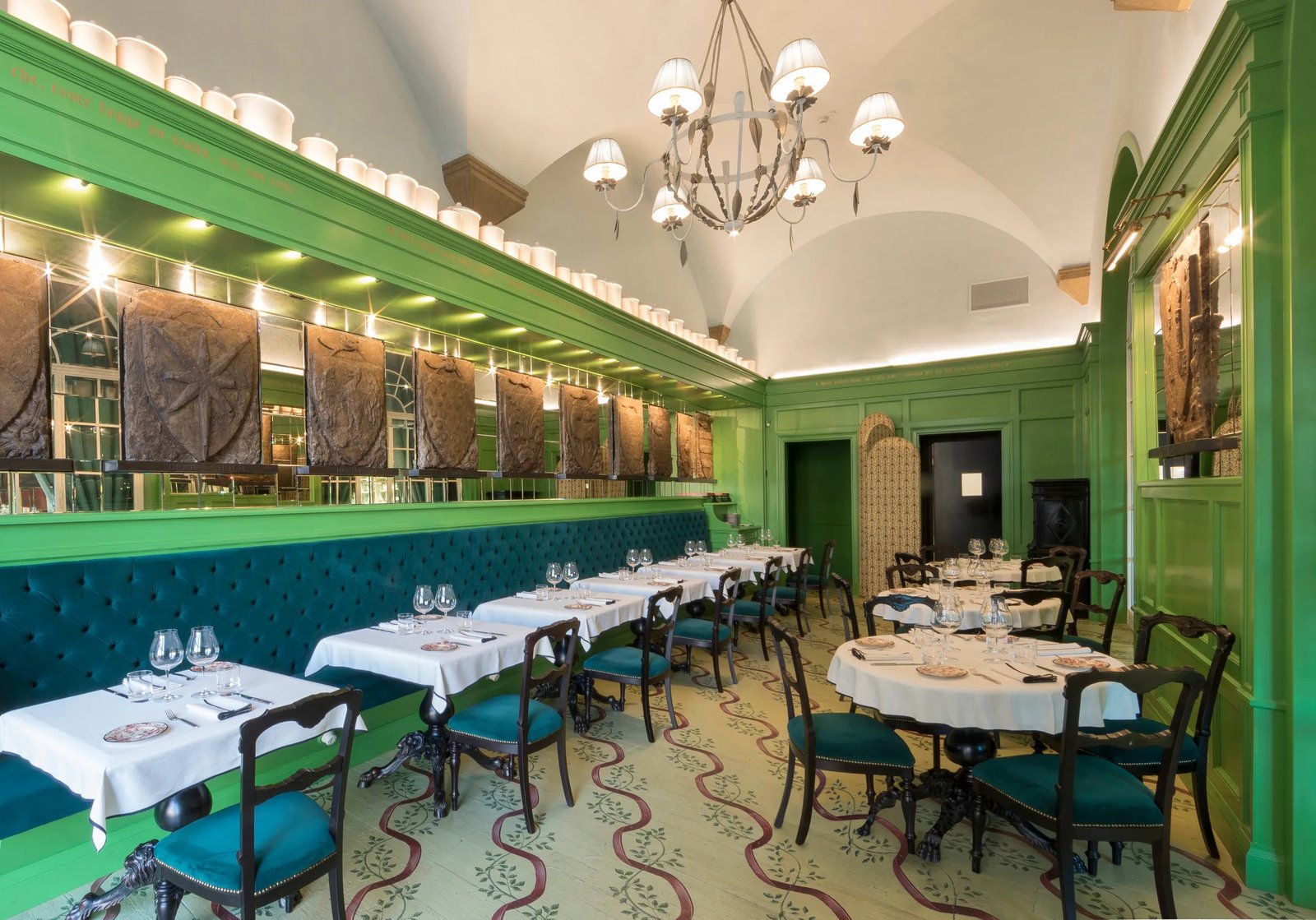
Gucci Osteria translates aesthetic language into sensory form. The interiors mirror Gucci’s maximalist visual culture through color, texture and historical references. The service ritual reinforces prestige through attention and pacing. Even menu descriptions echo storytelling rather than utility. The result is retail without a transaction. Visitors may never purchase clothing, yet they leave feeling connected to the label. In modern luxury this connection is often more valuable than a sale because it builds long term affinity. The restaurant becomes a gateway into the brand universe rather than a point of purchase.
The Chef as Creative Director
Massimo Bottura’s involvement is essential to the project’s credibility. Luxury brands rely on authority. In fashion that authority comes from designers. In dining it comes from chefs. By partnering with a Michelin celebrated chef, Gucci borrows cultural legitimacy from the culinary world. The restaurant is not perceived as marketing but as culture. This distinction matters because affluent consumers increasingly reject obvious branding. They prefer expertise and narrative over logos.
The chef functions similarly to a fashion creative director. Both reinterpret heritage while maintaining identity. Bottura’s dishes reference Italian tradition but reshape it through contemporary technique. This mirrors how Gucci reworks archival motifs into modern collections. The collaboration creates mutual elevation. The chef gains global visibility while the brand gains authenticity. Instead of paying for advertising space, Gucci invests in cultural production. The meal becomes content that carries prestige without feeling commercial.

The Michelin Star as Marketing
Fine dining normally depends on culinary reputation to attract guests. For Gucci Osteria the dynamic works differently. Culinary prestige amplifies brand prestige and vice versa.
A Michelin star signals seriousness. It assures diners the restaurant stands on its own merit. This removes skepticism about branded hospitality. Guests arrive expecting quality rather than novelty. The marketing impact is substantial. Traditional campaigns reach audiences briefly. A dining experience lasts hours and generates conversation long after. Guests photograph dishes, interiors and details. Each image circulates across social platforms as personal endorsement rather than advertisement.
The restaurant therefore functions as continuous organic media production. Every reservation becomes a storytelling opportunity. Instead of seasonal campaigns, the brand maintains daily cultural presence through diners documenting their experience. Luxury historically depended on aspiration through distance. Now it relies on immersion through participation. A meal produces stronger emotional memory than viewing a collection online. That memory strengthens loyalty in ways conventional marketing cannot replicate.
Selling Identity Instead of Objectives
Gucci Osteria demonstrates a broader shift across luxury industries. Value is moving from ownership to belonging. Customers want access to a lifestyle rather than accumulation of goods.
Dining offers a temporary but powerful form of membership. Reservations feel selective. The environment feels curated. Guests sense inclusion within a cultural circle tied to the brand. This matters especially for younger affluent consumers who prioritize experiences over possessions. Purchasing clothing communicates taste externally. Participating in brand environments shapes identity internally. The restaurant allows people to perform affiliation without committing to expensive purchases.
For the company this expands the audience. Many visitors cannot buy high fashion regularly yet still contribute to brand relevance. They become cultural ambassadors who reinforce desirability among others who eventually purchase products. The restaurant therefore acts as both introduction and reinforcement. It attracts new audiences while deepening existing loyalty. The strategy extends luxury beyond material ownership into emotional alignment.
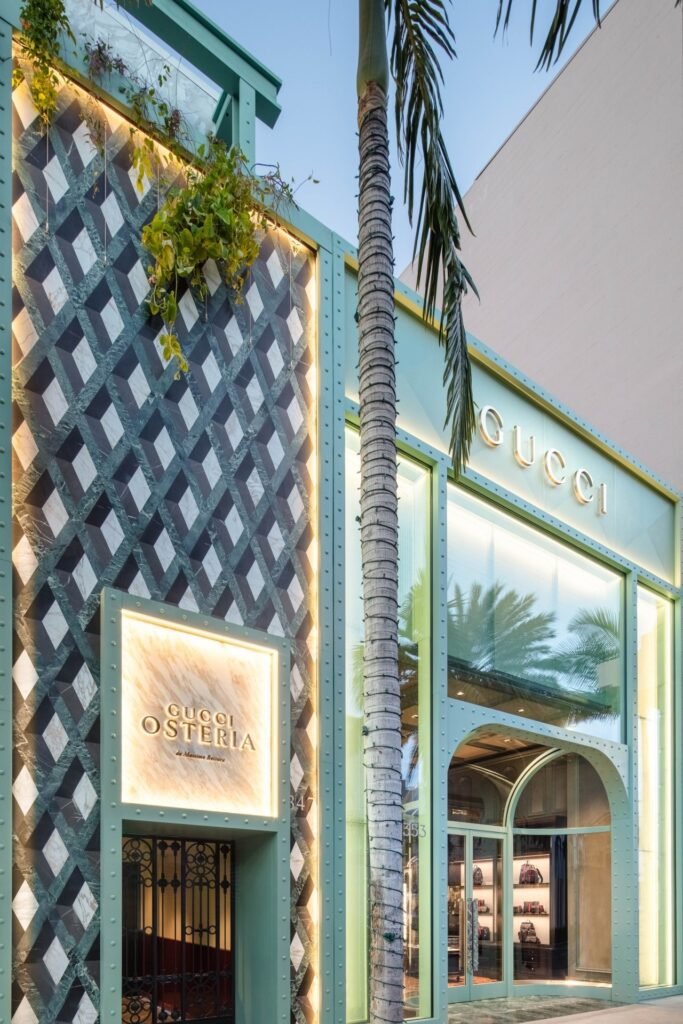
Gucci Osteria reveals how luxury is evolving from product based prestige into experiential ecosystems. Fashion houses increasingly build environments where identity can be lived rather than displayed. Food plays a unique role because it engages memory, emotion and social interaction simultaneously.
Written By: Mia Quisumbing
Published On: 13th February 2026