
Luxury fashion has always relied on fantasy, but the nature of that fantasy keeps changing. In the 1990s it was aristocratic distance. In the 2010s it was logo saturation. In the early 2020s it became influencer relatability. Now another shift is underway. Brands are no longer chasing relevance through endless collaborations or viral drops. They are searching for myth again. The Spring Summer 2026 Karl Lagerfeld campaign starring Paris Hilton signals exactly that transition.
The Celebrity is Now the Universe
For years luxury brands treated celebrities as interchangeable amplifiers. A famous face created visibility and visibility created sales. The relationship was transactional. The person promoted the brand, not the other way around. That logic has collapsed. Consumers no longer believe in a rotating cast of ambassadors who endorse multiple houses in the same year. Familiarity has diluted prestige. A logo on a red carpet does not automatically translate into desire anymore.
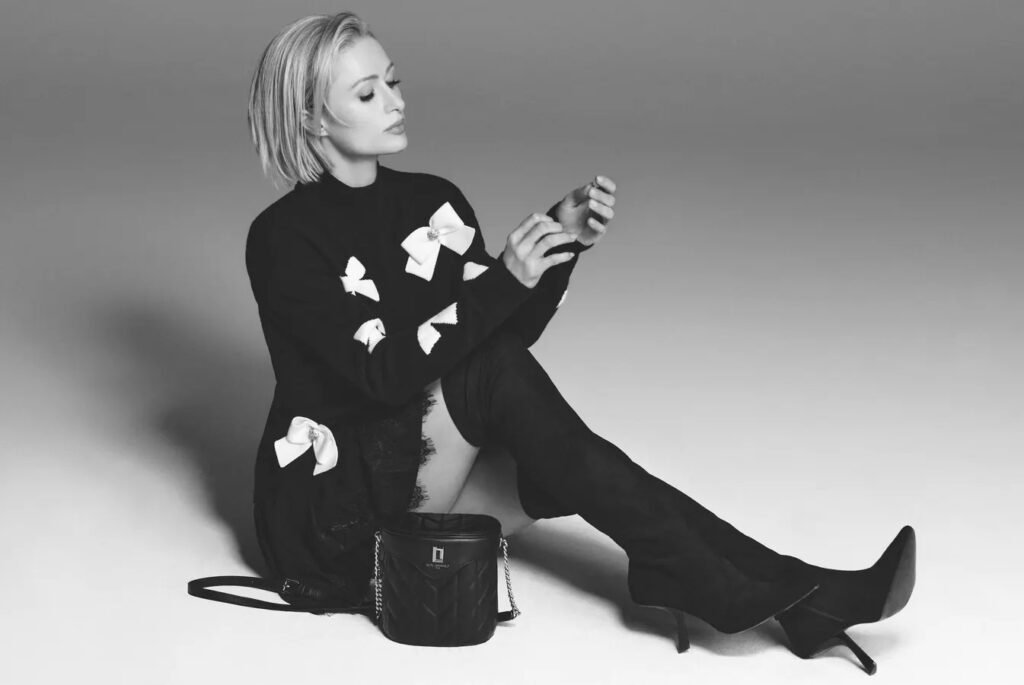
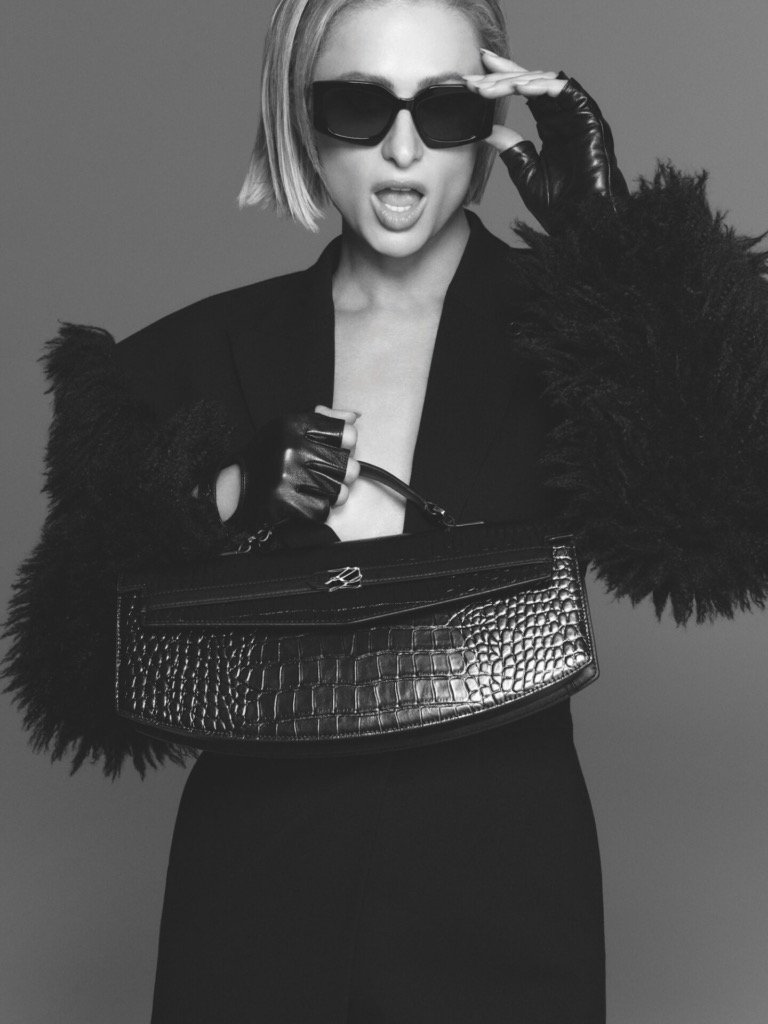
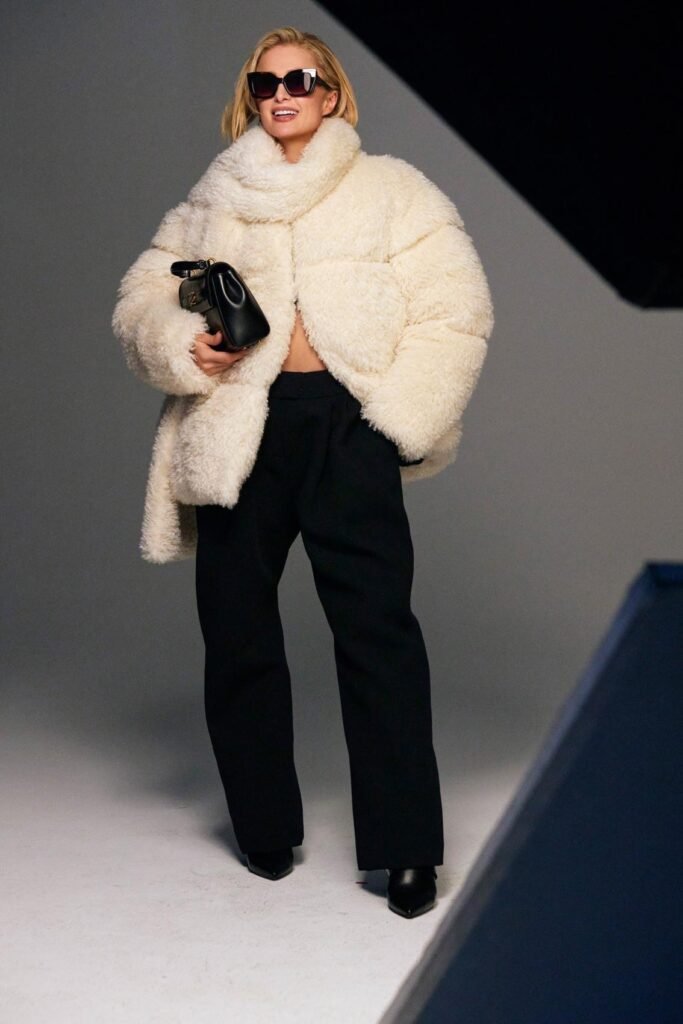
The Hilton campaign works differently because she is not styled into anonymity. The visuals lean into her established persona. Confidence, irony, glamour, and self awareness are part of the imagery. Instead of forcing a celebrity into a brand identity, the brand adapts around a personality that already carries cultural meaning.
This approach reflects a broader shift across luxury marketing. The public is drawn less to perfection and more to continuity. People follow narratives over decades. Hilton embodies a rare timeline. Reality television star, tabloid fixation, businesswoman, DJ, entrepreneur, and now a public figure who openly discusses family life and career longevity. That arc provides emotional texture. A handbag gains context when attached to a life story rather than a seasonal concept.
Nostalgia as a Strategy, Not a Sentiment
It would be easy to dismiss the campaign as Y2K nostalgia, but nostalgia alone does not sustain a luxury house. What matters is how the past is reframed. Hilton represents a pre algorithmic fame era. Her celebrity emerged before social platforms optimized visibility and before personal branding became universal. That gives her an unusual authenticity in a landscape crowded with manufactured personas. Younger consumers who did not grow up with her still perceive that difference intuitively. She feels historical rather than engineered.
The Karl Lagerfeld brand benefits from that perception. The designer himself cultivated a carefully constructed public image. White ponytail, black sunglasses, sharp commentary. He understood fashion as theatre and personality as creative extension. Casting Hilton echoes that philosophy. The campaign does not recreate the past. It translates Lagerfeld’s own belief in character driven fashion into a modern context. Nostalgia here functions as credibility. It reminds audiences of a time when cultural figures felt singular rather than optimized for engagement metrics. In a period of content overload, singularity has become a luxury attribute.
From Aspiration to Identification
Traditional luxury advertising relied on exclusion. Models appeared unreachable and settings were intentionally detached from daily life. Consumers were invited to imagine themselves entering a rarefied world.
Modern audiences behave differently. They want to see how luxury integrates into an identity rather than how it replaces one. Hilton’s presence accomplishes this because her public image has always been performative yet self aware. She acknowledges the persona while still inhabiting it. This duality allows viewers to participate. The clothes are not framed as tools for transformation into someone else. They are presented as extensions of an already defined character. That subtle shift changes the psychological transaction. Instead of buying access to status, consumers buy alignment with a narrative.
It also reflects generational expectations. Younger buyers evaluate brands based on cultural positioning, not only craftsmanship. They ask what a label says about their worldview. A campaign centered on a personality answers that question faster than a technical explanation about materials or tailoring. In this sense the Hilton campaign is less about celebrity endorsement and more about identity packaging. The product becomes a symbol inside a larger story.
The Future of Luxury Marketing
The broader industry context explains why this approach matters now. Over the past five years luxury brands expanded aggressively through social media visibility and price increases. Growth was strong but perception weakened. Many labels became overexposed while simultaneously becoming less distinctive. To recover exclusivity without retreating from digital platforms, brands need emotional depth. Personality driven storytelling provides that depth. A well chosen figure creates continuity across seasons, something a rapid rotation of influencers cannot achieve.
We are likely to see more long term narrative partnerships rather than short campaigns. Figures with established cultural histories will become valuable because they carry meaning that cannot be manufactured instantly. Musicians, actors, and public personalities with multi decade relevance will replace purely viral figures. The Hilton collaboration illustrates the model. It blends heritage and pop culture without diminishing either. The brand gains modern visibility while maintaining creative lineage. The celebrity gains fashion credibility while reinforcing her existing mythology. The audience receives a coherent story rather than a temporary trend. Luxury does not abandon innovation here. It redefines it. Innovation becomes the ability to build cultural memory in a fast moving media environment.
The Karl Lagerfeld and Paris Hilton campaign signals a reset in how luxury communicates value. After years of chasing speed and volume, fashion is rediscovering the power of narrative continuity. A recognizable personality offers stability in a fragmented attention economy.
Written By: Mia Quisumbing
Published On: 13th February 2026