
In just weeks, the world’s attention will turn toward North America as the 2026 FIFA World Cup prepares to begin. Hosted across the United States, Canada, and Mexico, the tournament is already shaping up to be the biggest and most commercially ambitious World Cup in history. With expanded teams, billion dollar sponsorships, political tensions, and a new generation of football stars preparing for the global stage, this year’s competition feels larger than sport itself.
A Tournament Designed for Scale
For the first time ever, the FIFA World Cup will feature 48 national teams instead of 32. The expansion represents FIFA’s attempt to make the tournament more inclusive, commercially powerful, and globally dominant. More countries means more audiences, more sponsorships, and significantly more revenue.
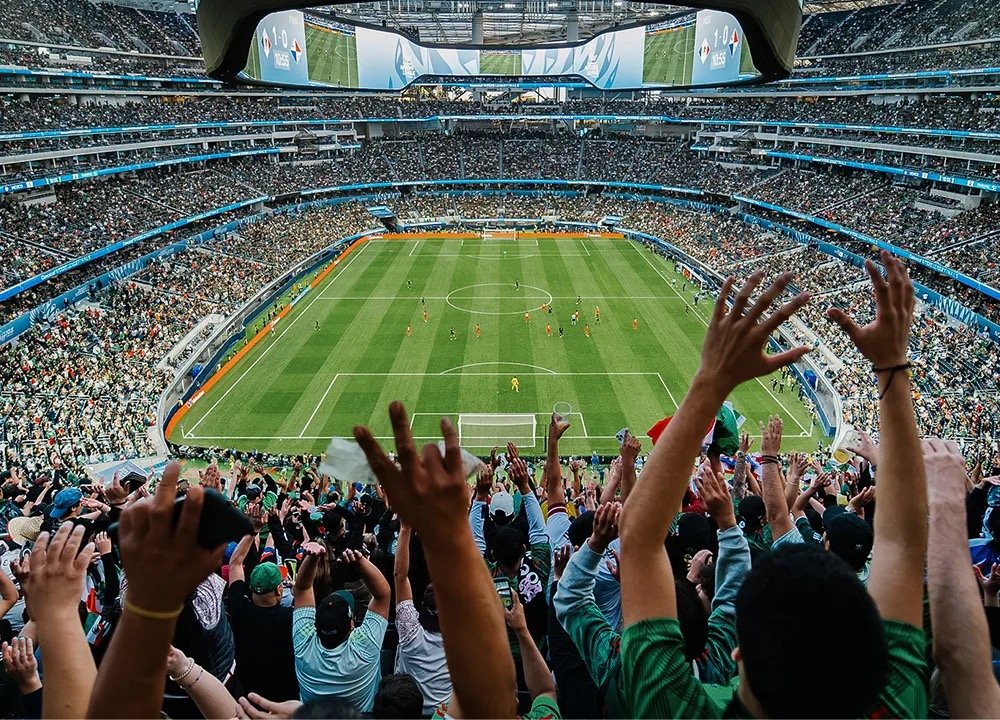
The tournament will span 16 cities across North America, including Los Angeles, Toronto, Dallas, Miami, Vancouver, and Mexico City. Stadiums normally associated with the NFL will transform into football arenas capable of hosting over 80,000 fans at a time. FIFA expects millions of international visitors to travel across the continent throughout the month long event.
The scale of the operation has already sparked discussion around infrastructure, transportation, and security. Host cities are racing to complete upgrades before opening matches begin, while luxury hotels and private hospitality companies are preparing for an influx of wealthy international travellers. The commercial side of the World Cup has become almost as important as the football itself. Analysts predict the tournament could generate over US$11 billion in revenue for FIFA through broadcasting rights, sponsorships, tourism, and merchandising. Global brands including Adidas, Coca Cola, Visa, and Louis Vuitton are expected to dominate campaigns leading into the opening ceremony.

Football’s New Generation Takes Centre Stage
The 2026 World Cup will also mark a major generational shift within football. For over a decade, the sport has revolved around icons like Lionel Messi and Cristiano Ronaldo. Now, a younger wave of players is preparing to inherit football’s biggest stage.
French superstar Kylian Mbappé enters the tournament as one of the faces of modern football, combining elite athleticism with celebrity influence that extends far beyond sport. Alongside him are players such as Jude Bellingham, Jamal Musiala, Vinícius Júnior, and Erling Haaland, athletes who represent a new era shaped as much by social media visibility as by on field performance. The rise of these younger players reflects how dramatically football culture has evolved. Today’s stars are not only athletes but luxury ambassadors, fashion figures, and global entertainment brands. Tunnel walks now receive almost as much attention online as goals themselves. Partnerships with designer labels, jewellery houses, and luxury watchmakers have become standard for elite players.
At the same time, the pressure surrounding the tournament has intensified. Every moment will be analysed instantly across TikTok, Instagram, and livestream platforms. A missed penalty or emotional reaction can become global news within minutes. For younger players entering their first World Cup, the psychological intensity may be unlike anything sport has experienced before.
The Luxury Economy Behind the World Cup
Beyond the football, the 2026 World Cup is expected to become one of the most extravagant sporting events ever staged. Luxury tourism companies have already launched exclusive travel packages featuring private jets, penthouse accommodation, VIP stadium access, and celebrity hosted events. In cities like Miami and Los Angeles, elite hospitality experiences are becoming status symbols for wealthy international guests. Some premium World Cup packages reportedly exceed US$100,000, reflecting the growing overlap between global sport and luxury lifestyle culture.
Fashion brands are also preparing to capitalise on the tournament’s cultural influence. Designers have increasingly embraced football aesthetics in recent years, from retro jerseys appearing on runways to collaborations between clubs and luxury houses. During the World Cup, fashion and sport will once again merge into a single global spectacle.
Meanwhile, social media creators and influencers are expected to play a massive role in shaping the tournament’s public image. Brands are investing heavily in digital storytelling, luxury travel content, and exclusive behind the scenes access designed to capture younger audiences who consume sport through online culture as much as live broadcasts. The modern World Cup is no longer just about national pride. It has become a reflection of wealth, entertainment, branding, and identity in the digital age.
More Than Just Football
Despite its commercialisation, the emotional power of the World Cup remains unmatched. Few events still possess the ability to pause everyday life on a global scale. Entire cities erupt after victories. Strangers embrace in public squares. Generations gather around televisions to watch moments that become permanent pieces of cultural memory.
This year’s tournament arrives at a moment when people increasingly crave experiences that feel collective and authentic. In a fragmented online world dominated by algorithms and endless scrolling, the World Cup offers something rare: a shared emotional event unfolding in real time.
Political tensions will inevitably surround the tournament, as they always do. Questions around migration, inequality, security, and representation are already emerging in discussions about hosting responsibilities and FIFA’s priorities. Yet the tournament’s appeal continues to transcend borders.
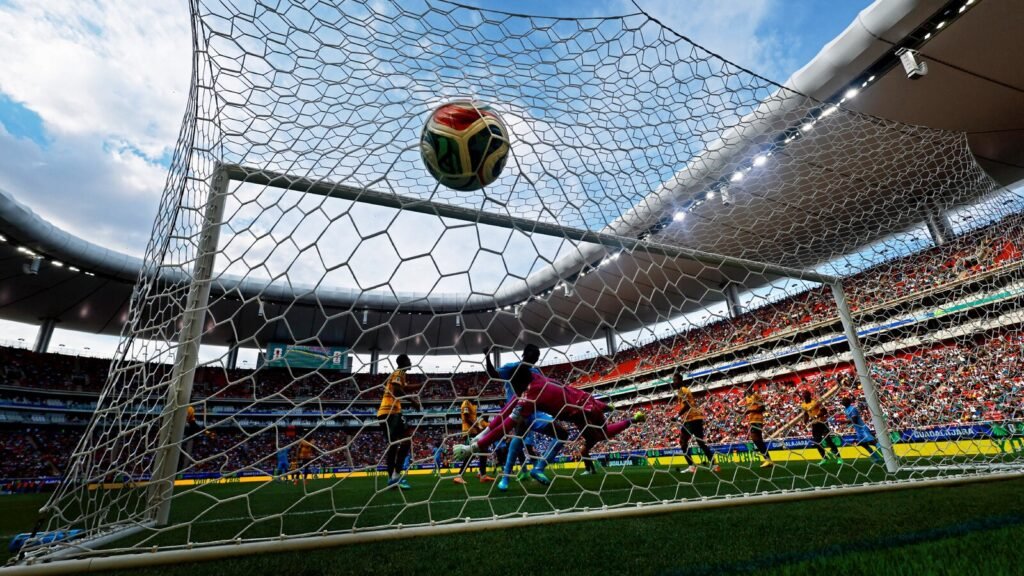
That contradiction is precisely what makes the World Cup so compelling. It is both deeply commercial and intensely emotional. It is corporate spectacle and genuine human drama at the same time. As kickoff approaches, anticipation is building across every continent. Soon, billions of people will once again stop to watch the same game, the same players, and the same moments unfold together. For one month, football becomes the centre of the world.
Written By: Mia Quisumbing
Published On: 20th May 2026