
For decades, Rolls-Royce has been a pinnacle representation and quintessential symbol of the highest level of automotive luxury. Despite the contemporary world racing towards electrification and autonomous driving, Rolls-Royce doubles down on craftsmanship, customisation and unparalleled quality. In a market where innovation and EVs are increasingly growing, Rolls-Royce relies on the notion that luxury is derived from exclusivity.
As the automotive industry accelerates towards an electric future, many luxury car manufacturers have been challenged with balancing innovation and tradition. Consequently, Rolls-Royce has embraced new technology while remaining committed to the exclusivity and craftsmanship that define its identity.
Rolls-Royce’s Heritage
The reputation of Rolls-Royce is deeply rooted in its rich history and commitment to excellence. Founded in 1906 by Charles Rolls and Henry Royce, their reputation was distinctively established in the motor industry due to their emphasis on engineering precision, reliability and craftsmanship. Over the past century, this reputation has been continued and strengthened, with their vehicles being largely associated with royalty and world leaders, cementing their positioning and aligning their identity as a symbol of prestige. In the modern world, this heritage continues to shape their image today, with their product mix being imbued with traditional design elements and crafted techniques that reflect their historic commitment to quality.
A Balancing Act Between Innovation and Heritage
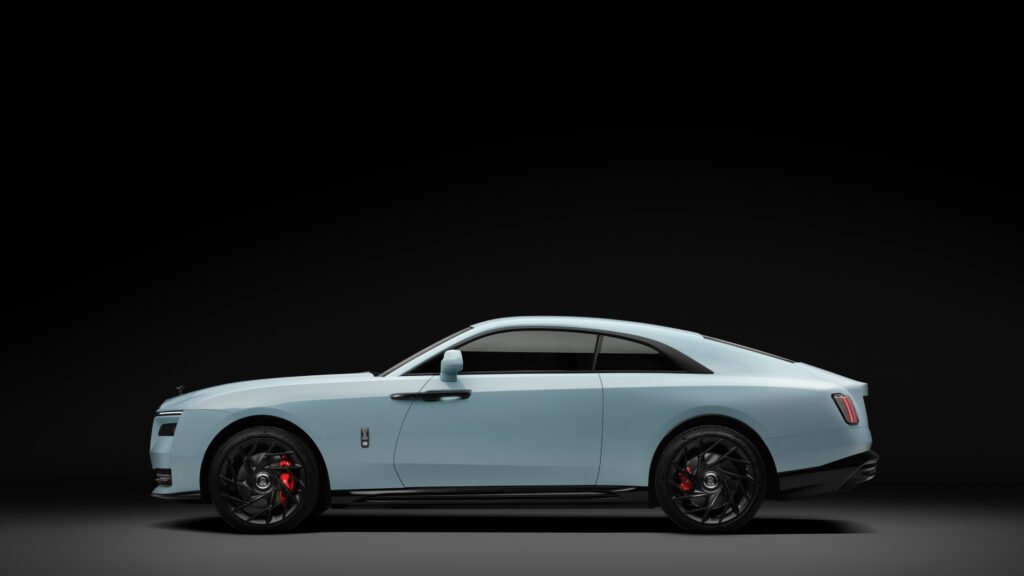
This British marque’s recent decisions illustrate this philosophy. Despite many automotive manufacturers growing their EV product lines or only selling fully electric options, Rolls-Royce has adopted a more measured approach. In 2022, they launched the all-electric Spectre model and pledged that by 2030, they would discontinue the production of vehicles with the V12 combustion engine. However, recent announcements from the chief executive have disclosed that they will continue making their renowned engines. Rather than abandoning its heritage in pursuit of technological trends, Rolls-Royce has chosen to evolve at a pace that aligns with the expectations of its clientele.
Despite scaling back on their EV ambitions, they continue to invest in electric technology. The continued updates to their ‘Spectre’ all-electric model showcase this harmony between innovation, heritage and luxury. With impressive power, driving ease and engineering, this model demonstrates how electrification can be integrated while maintaining the quality and comfort that have long defined the brand.
The Growing Importance of One-of-a-Kind Offerings
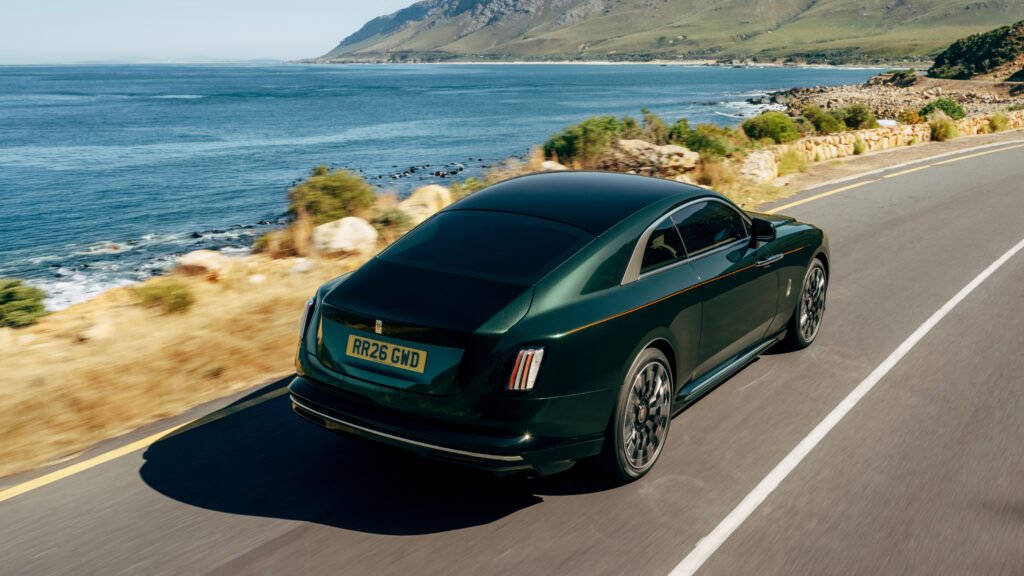
Regardless of their electric and traditional product offerings, what truly distinguishes their vehicles is not the battery or engine, but rather the level of personalisation that is available to consumers. As evidenced by the Spectre, the tailored customisation options have become central to the Rolls-Royce business model. Their wealthy clients are offered opportunities to personalise all aspects of their automobiles. This heavy emphasis on individuality reflects a wider shift in the luxury market, where affluent clientele are interested in possessing unique and limited products. As technology helps make luxury more accessible, this exclusivity and uniqueness provided by Rolls-Royce can be seen as an increasingly valuable commodity.
Craftsmanship as a Competitive Advantage
The offering of coachbuilding further reinforces Rolls-Royce’s commitment to exclusivity. Unlike other mass-produced luxury cars, these customisable products transform each vehicle into a personalised form of art, enhancing the ownership experience and enhancing the brand’s reputation as the ultimate expression of automotive craftsmanship.
As technological advancements continue to become common, features considered to be new are quickly being replicated and consequently seen as standard. Rolls-Royce recognises that technology alone is not sufficient to define luxury. Instead, the company is differentiating itself through qualities that cannot be easily replicated.
Written By: Leah Kim
Published On: 12 June 2026