
For over 125 years, Hôtel Hermitage Monte-Carlo has been the epitome of glamour, elegance, and architectural grandeur that has defined Monaco’s hospitality sector. Overlooking the iconic Port Hercule and the glittering Mediterranean Sea, the Belle Époque landmark has welcomed royalty, celebrities, and travellers in authentic luxury.
Now, this historic property is entering a new chapter. As luxury hospitality starts to shift towards highly personalised guest experiences, Hôtel Hermitage Monte-Carlo has introduced a new collection of Diamond Suites, representing one of the hotel’s most significant accommodation transformations in decades.
Instead of reinventing the hotel, this project carefully preserves its heritage while embracing contemporary luxury, demonstrating the ability of historic hotels to adapt to the changing expectations of affluent travellers.
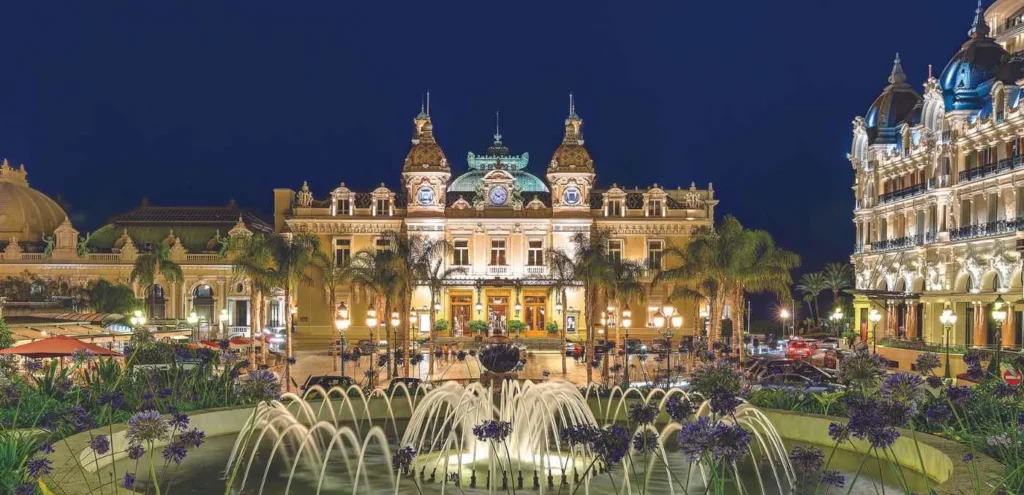
Hôtel Hermitage Monte-Carlo
Hôtel Hermitage Monte-Carlo is located in the heart of Monaco and is considered one of its most elegant hotels. Built between 1890 and 1896, this elegant hotel was designed during the Belle Époque period with contributions from Gustave Eiffel, a French civil engineer best known for the Eiffel Tower. Consequently, this property has long been recognised for its graceful architecture and sophisticated interior design, which distinguish it from many of the Principality’s more contemporary luxury developments, and it is now classified as a historic monument. Today, it remains part of Monte-Carlo Société des Bains de Mer’s prestigious portfolio and is regarded as one of Monaco’s flagship hotels.
The new Diamond Suites
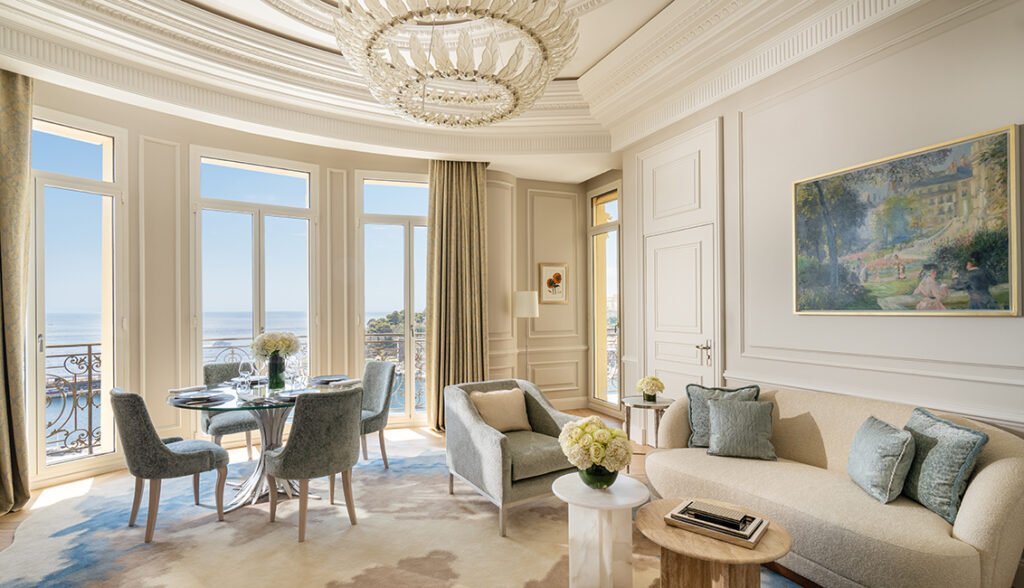
Evidently, this hotel holds substantial historical significance. Rather than replacing its historic identity, the newly unveiled Diamond Suites help celebrate it. Originally decorated by French interior designer Pierre-Yves Rochon in 2004, the former Hermitage Apartments have now been completely reimagined through a collaboration between Pierre-Yves Rochon Architecture and the Monte-Carlo Société des Bains de Mer Design & Engineering Office. This redesign introduces a contemporary residential aesthetic while preserving the sophisticated character that has long defined the hotel.
Leading this new collection are two flagship residences: the Princely Diamond Suite and the Presidential Diamond Suite.
Spanning approximately 283 square metres, the Princely Diamond Suite offers views of Port Hercule and Monaco’s Prince’s Palace from its private terraces. The master bedroom is described as a haven of elegance, with bespoke furnishings and Baccarat crystal fittings from the Pétale de Cristal collection. The bathrooms, bathed in sunlight and finished in white onyx, are fitted with luxurious amenities, including a bathtub with hydrotherapy and chromotherapy, engraved mirrors, and a sauna. It also houses a second bedroom with its own bathroom and walk-in wardrobe.
Moreover, the Presidential Diamond Suite occupies the hotel’s upper floor, offering 152 square metres of refined living space. Each room opens onto exceptional panoramic views overlooking the port and the Prince’s Palace. This private apartment is organised around a central living room and two elegant bedrooms, with an integrated library and a banquette facing the sea. The bathrooms continue this luxurious atmosphere, featuring a whirlpool bathtub overlooking the sea and a Calacatta Oro marble shower, enhanced by a cascading wall waterfall.
For affluent travellers who desire more space, the Princely Diamond Suite and the Presidential Diamond Suite can also be combined to form a unique residence, offering up to four bedrooms and 434 square metres of private living space. Additionally, guests staying in either of these suites receive access to luxury experiences, including, when in season, the private Monte-Carlo Beach Club with its Olympic-sized pool and the Thermes Marins Monte-Carlo wellness centre. Building on this, a stay in the Diamond Suites offers exclusive benefits such as breakfast at the Michelin-starred Pavyllon Monte-Carlo, use of the hotel limousine for travel within the resort, luggage assistance, and massages.
Preserving heritage through thoughtful design
Luxury heritage renovations often face the challenge of balancing modern-day comforts and aesthetics without diminishing historical character. At Hôtel Hermitage Monte-Carlo, preservation appears to have guided every design decision. Rather than replacing traditional architectural details, the renovation enhances them through carefully selected materials, subtle colour palettes, and refined craftsmanship. With new materials such as white onyx, Calacatta marble, and intricate timber flooring being introduced, these strategically chosen materials help complement the building’s original Belle Époque architecture.
This balance between modernity and preservation has become increasingly important as heritage hotels seek to remain competitive against newly constructed luxury developments while upholding the authenticity and history that distinguish them.
Introducing Gustave
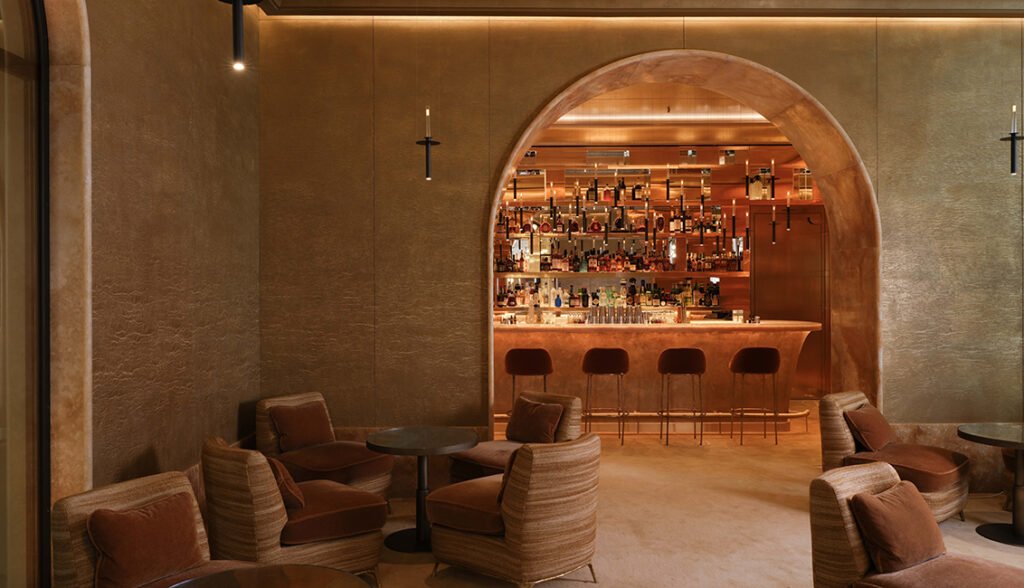
Alongside the hotel’s upgrades, Hôtel Hermitage Monte-Carlo has introduced Gustave, a new destination bar located beneath the property’s celebrated Eiffel dome within the Winter Garden. Designed by interior architect Shirine Zirak, this new venue presents elegant lounges, lush greenery, and a terrace inspired by the Belle Époque winter gardens that once defined Europe’s grand hotels.
Open from midday until late evening, Gustave has been conceived as an all-day social destination, serving lunch, dinner, afternoon refreshments, and signature cocktails.
Under Head Bartender Julien Lecharpentier, the cocktail programme draws inspiration from Parisian cafés and Art Nouveau aesthetics, blending classic recipes with contemporary interpretations.
Strengthening Monaco’s luxury hospitality offering
For Monaco, the redevelopment reinforces the Principality’s position as one of Europe’s premier luxury destinations. The destination has long attracted affluent visitors through its combination of fine dining, yachting, motorsport, designer shopping, and prestigious hotels. Properties such as Hôtel Hermitage Monte-Carlo play an essential role in maintaining that reputation by continuously investing in their accommodation while respecting their architectural legacy.
A blueprint for heritage luxury
The unveiling of the Diamond Suites represents more than an interior refurbishment. Rather, it demonstrates the ability of historic hotels to remain relevant by intentionally adapting to contemporary preferences without sacrificing their historic identity.
Written By: Leah Kim
Published On: 29th June 2026