
Luxury brands have always sold more than simply a product. Whether it be a handbag, watch or shoes, luxury products have acted as a signal, communicating one’s identity and psychographic. However, something that has changed is the way these luxury brands are expanding to capitalise on this consumer behaviour. Increasingly, these high-end fashion brands are opening cafés, restaurants and hospitality spaces that blur the line between retail and lifestyle.
From brands like Louis Vuitton, Prada and Tiffany & Co., luxury names are embedding themselves into everyday rituals by offering products for everyday experiences. From this, what emerges is a new perspective on retail logic, where luxury is no longer only something you buy, but somewhere you go.
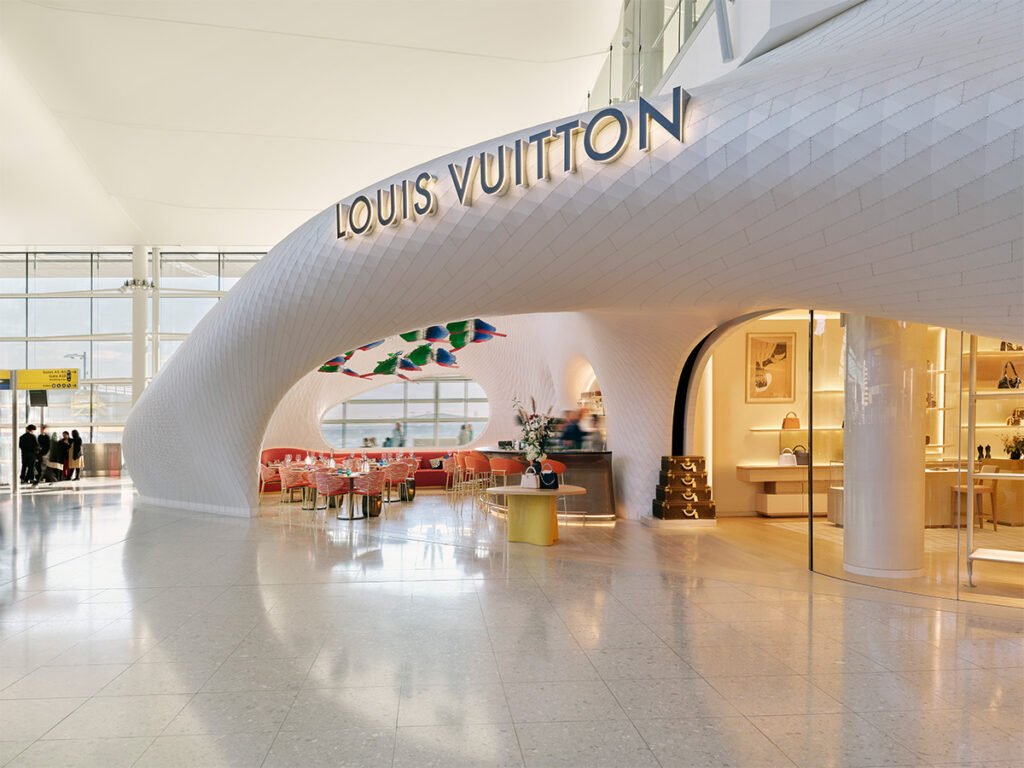
Luxury Is Becoming a Place, Not Just a Product
The most visible change in luxury retail is the expansion beyond boutiques into hospitality-driven environments. These luxury retailers are increasingly creating cafés and restaurants as part of their offerings and joining a broader movement towards experience-first retail. Names such as Louis Vuitton, Dior and Prada have all experimented with cafés, restaurants or hybrid hospitality concepts.
Louis Vuitton is a prime example of this, having created a number of hospitality concepts worldwide as part of a wider strategy of experiential luxury. Its retail environment is increasingly a mix of exhibitions, dining and cultural programming, with multiple cafés and restaurants now open globally.
Psychology Behind a Café
One of the most important reasons luxury brands are opening cafés is accessibility. Unlike boutiques, which are largely perceived as intimidating, cafés create a low-pressure way for consumers to engage with the brand. Industry analysis further supports this notion, suggesting that consumers often discover luxury brands online long before entering a physical store. As a result, physical retailers should focus less on discovery and more on deepening emotional connection and brand familiarity.
Hospitality spaces help appeal to this narrative. They let consumers “be inside” the brand without committing to a purchase. This creates what analysts call the identity proximity effect, familiarity that makes it someone more inclined to convert to a higher-value purchase in the future. Consequently, a simple coffee becomes a soft introduction to a much larger and more expensive environment.
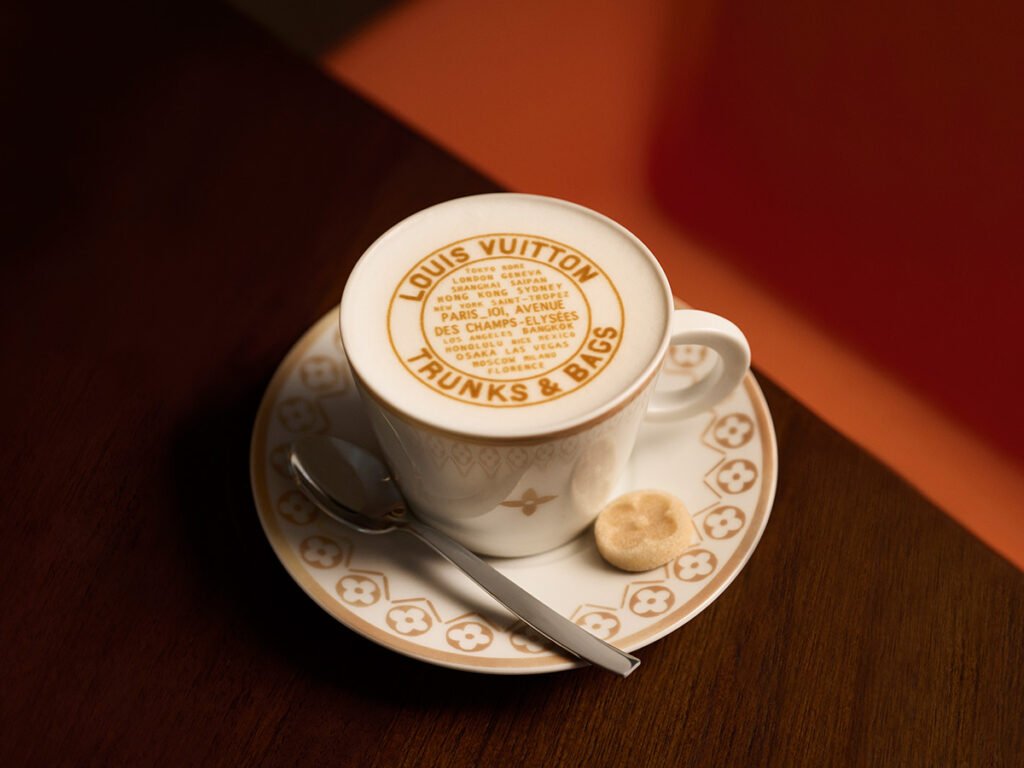
The Experience Economy Effect
Luxury’s pivot towards cafés is also part of a broader shift known as the experience economy. In this model, value is created not only through products but through environments, emotions and memories associated with a brand interaction. A café or restaurant is particularly powerful in this context because it extends the brand into a time-based experience.
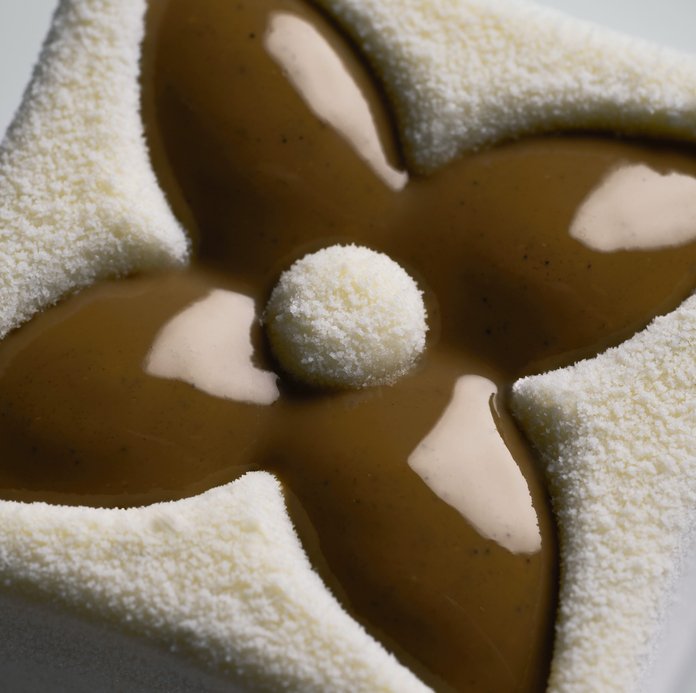
For example, a handbag is purchased in minutes, while a café visit lasts an hour or more, often shared socially and documented via photos and social media. This transforms the brand experience into a lived moment, where high-end pricing, signature dishes and limited availability reinforce exclusivity.
The Risk Behind the Aesthetic
Despite their popularity, luxury hospitality ventures are not without challenges. Running a restaurant is a fundamentally different business from selling fashion or accessories, with varying margins, different operational complexity and high execution risk. Additionally, overexpansion into lifestyle can dilute brand identity if not adequately managed. As luxury thrives on scarcity and control, if cafés become too widespread or too accessible, they risk weakening the exclusivity that defines the category.
Written By: Leah Kim
Published On: 29th June 2026