
For the past decade, the title of the world’s richest person has varied between entrepreneurial tech founders, inventors and retail giants. Bill Gates defined the software era, Jeff Bezos capitalised on the rise of e-commerce, and Bernard Arnault built an empire on luxury brands. However, on June 12th, one man has set an untouched milestone in the financial world.
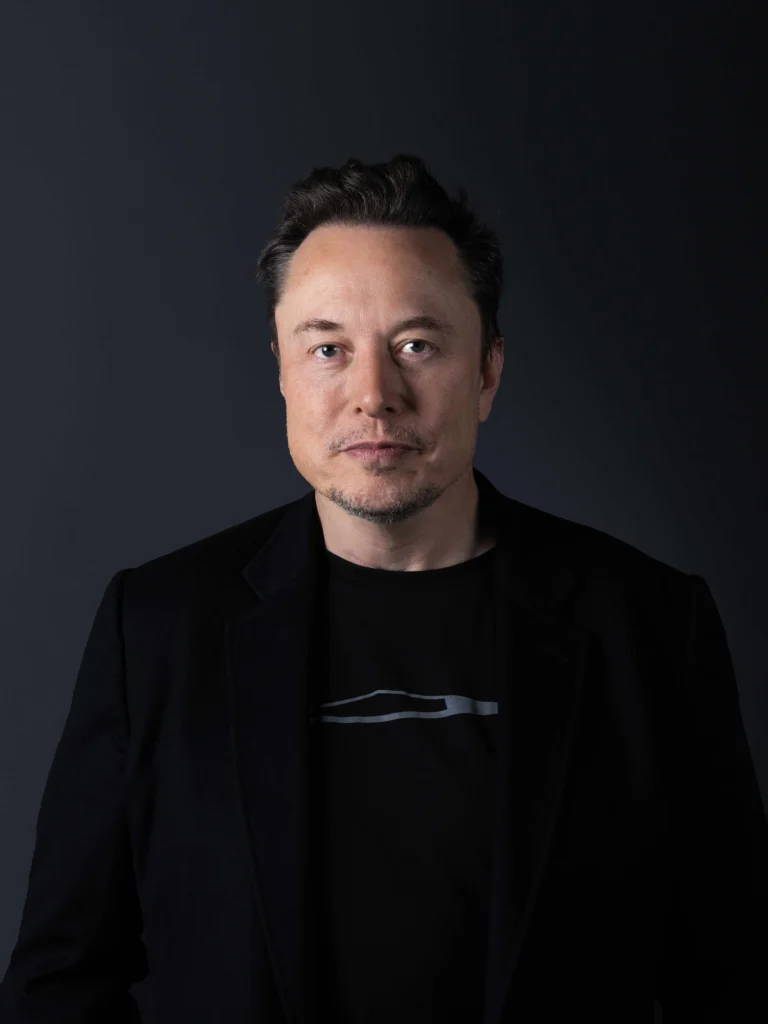
Elon Musk is officially the first person in history to reach a net worth of US$1 trillion, or $1.4 trillion in Australia.
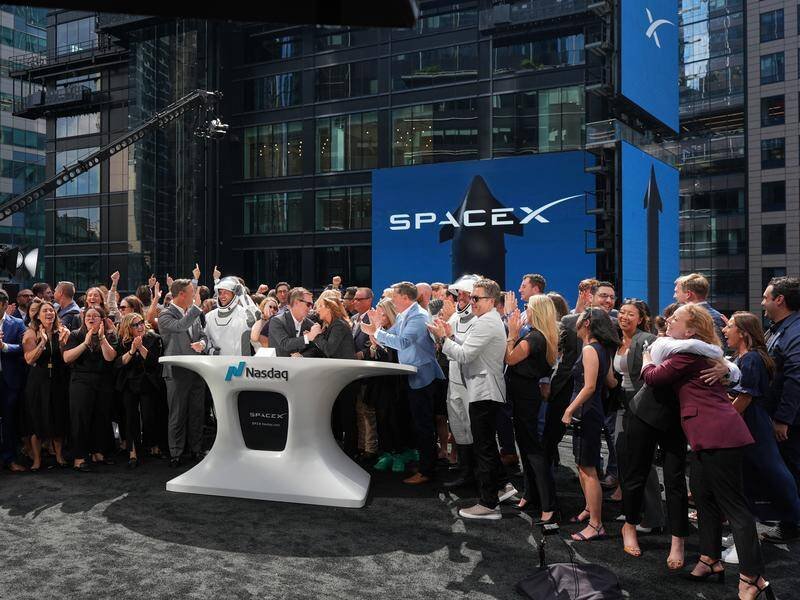
Despite many whispers over the year, this title was officially awarded after the extraordinary market debut of SpaceX, the private aerospace company that Musk founded back in 2002. When SpaceX first listed on the Nasdaq, the world’s second-largest stock exchange, the company was valued at more than US$2 trillion by investors, instantly pushing Musk’s fortune above the trillion-dollar mark.
Elon Musk and his beginnings
Even before becoming the world’s first trillionaire, Elon Musk had already established himself as one of the most influential entrepreneurs of the 21st century. Elon Musk was born on June 28th, 1971, in Pretoria, South Africa, into a wealthy family. Using his mother’s citizenship, he later moved to Canada before transferring to Pennsylvania, United States, where he obtained a bachelor’s degree in economics and physics at the University of Pennsylvania. After his studies, Musk entered the rapidly growing technology sector in Silicon Valley, where he founded the software company Zip2 in 1995. He successfully sold this business and moved on to create an online payment company, X.com, which later became PayPal in 2000. PayPal’s instrumental success gave him the financial stability to pursue his more ambitious ventures, including SpaceX, Tesla, Neuralink, xAI and X (formerly Twitter), which ultimately have contributed to his immense net worth.
A Historic Stock Market Debut
SpaceX has spent over two decades as a privately held company. Within this period, it has evolved from an ambitious rocket manufacturer into one of the world’s most influential aerospace businesses. Its innovative reusable Falcon rocket reshaped the economics of space launches, which set them up to be NASA’s primary partner for transporting astronauts to the International Space Station. Additionally, their Starlink grew into one of the world’s largest satellite internet networks, serving millions of customers across dozens of countries.
Consequently, when SpaceX finally launched its initial public offering (IPO), demand proved enormous. Originally, the shares debuted on the Nasdaq under the ticker SPCX at around US$150, climbing over 19% during their first trading session. By the end of the trading day, SpaceX’s market value was estimated above US$2 trillion, making it one of America’s most valuable listed companies almost immediately.
Musk held a substantial ownership stake and voting control in SpaceX through a dual-class share structure, making this IPO increase the value of his holdings. This combines with his stake in his electric motor vehicle company Tesla, Bloomberg’s Billionaires Index estimates his personal wealth at US$1.1 trillion as the world’s first person to obtain such a title.
Understanding a Trillion-Dollar Fortune
Though his trillion-dollar fortune may be slightly misleading without context, as Musk does not possess $1 trillion in cash or in his bank account. The majority of his wealth exists as shares in companies. Consequently, there are many fluctuations in his wealth; if SpaceX or Tesla shares rise, his net worth increases. If those companies lose value, his fortune declines just as quickly.
SpaceX: The Biggest Driver of Wealth
For many years, it was largely assumed that Tesla was the foundation of Musk’s fortune. However, much of his wealth comes from SpaceX, especially after this IPO. According to published estimates, Musk’s SpaceX stake alone was worth nearly US$870 billion immediately after the company’s stock market debut, while his Tesla holdings are approximately US$278 billion.
The Scale Is Difficult to Imagine
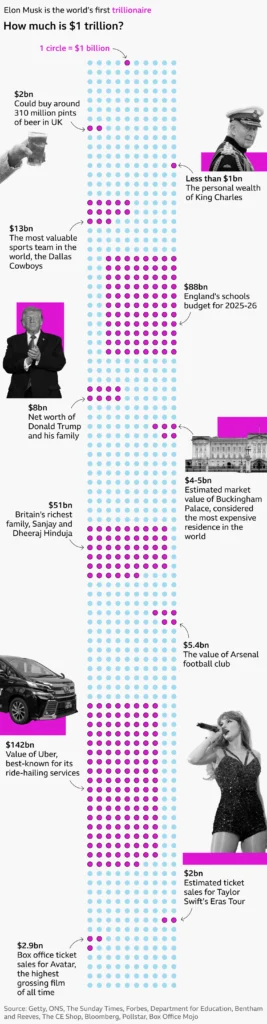
One trillion dollars is a number so large that comparisons become necessary simply to understand its magnitude. ABC conceptualised his net worth, highlighting that his fortune exceeds the annual economic output of most countries around the world, where a trillion dollars is greater than the gross domestic product of all but a small number of nations. In other words, he has wealth on a scale historically associated with governments and multinational economies rather than individual people. Additionally, costing around $512 billion as estimated by the United Nations, Musk could resolve world hunger for a 6-year period and still have billions remaining. Evidently, a trillion-dollar scale is hard to imagine, as humanity has experienced billionaires for decades, but a trillionaire represents an entirely different financial category.
More Than Just Rockets
SpaceX’s public listing on the Nasdaq reflects investor confidence in the company’s future over simply its current earnings. Alongside its rockets, SpaceX is expanding in multiple ways. They have continued expanding upon Starlink, whose satellite network provides broadband internet to customers in urban centres, rural communities and remote regions worldwide. They have additionally outlined their ambitious long-term projects that involve advanced space infrastructure, artificial intelligence and future commercial activity beyond Earth, with Musk especially eager to land on Mars.
This highlights SpaceX’s successful IPO debut, as investors value companies with potential for growth and multiple revenue streams, with SpaceX’s ambitions and long-term investments involving artificial intelligence and space infrastructure positioning it as both an aerospace leader and a technology platform with significant future growth potential.
Wealth in the Modern Economy
Musk’s trillion-dollar milestone also reflects broader changes in how wealth can be created. Previously, early generations accumulated their fortunes through oil, railroads or retail; however, modern fortunes are largely rising from entrepreneurs and ownership of high-growth technology companies.
This is potentially the case as digital platforms can serve billions of users while requiring relatively few physical assets when compared with traditional industrial businesses. As a result, founders or investors with ownership stakes could see financial gain when market valuations of their companies are strong.
Only a decade ago, a personal fortune exceeding US$100 billion seemed extraordinary. Today, multiple individuals have been able to cross that threshold.
What Happens Next?
Crossing the trillion-dollar mark may prove less important than what follows. Financial markets are volatile; when financial markets are reassessed, fortunes can rise or fall rapidly. Musk rising above $1 trillion, declining back into the billions, and regaining that title demonstrates how fragile the market can be.
The first billionaire marked the beginning of one financial era. The first trillionaire may represent the beginning of another, one shaped by technology, artificial intelligence, private space exploration and global digital infrastructure.
Whether others eventually join Musk as a trillionaire will depend on future stock market performance, technological innovation and investor confidence. Companies developing advanced AI, semiconductor technology and next-generation computing are already attracting enormous valuations, suggesting the world’s wealthiest individuals may continue setting new financial records in the years ahead.
For now, however, Elon Musk stands alone in history as the first person whose estimated personal fortune crossed the trillion-dollar threshold.
Written By: Leah Kim
Published On: 13th July 2026