
The U.S. housing market has reached another historic milestone, with home prices climbing to an all-time high as affluent buyers continue to reshape the market. While elevated mortgage rates have sidelined many first-time buyers, cash-rich purchasers are fueling demand for luxury properties in the nation’s most desirable cities. The result is a growing divide between the high end of the market and everyone else.
A Record-Breaking Housing Market
America’s housing market reached a new benchmark in June 2026, with the median home sale price climbing to a record $408,776, according to new data from Redfin. The figure represents a 2.2 percent increase compared with the same period last year, underscoring the resilience of the housing market despite persistently high borrowing costs.
Beneath the headline numbers, however, a more nuanced story is unfolding. The strongest activity is concentrated in the luxury segment, where affluent buyers continue to purchase premium properties at a pace that is lifting overall market values. Meanwhile, many first-time buyers and middle-income households remain priced out, struggling with affordability challenges created by elevated mortgage rates and limited housing inventory.
Rather than reflecting broad-based market strength, today’s record prices are increasingly being shaped by high-value transactions in some of America’s wealthiest cities.
Coastal Markets Continue to Lead
The country’s strongest housing markets remain concentrated along the coasts, where demand from high-net-worth individuals continues to push prices higher.
San Francisco recorded the largest annual increase among major U.S. cities, with home prices rising 9.2 percent year over year. The city also experienced a surge in sales activity, with transactions increasing by approximately 23 percent compared with last year.
West Palm Beach followed closely behind, posting an 8.6 percent annual increase in home prices while matching San Francisco’s impressive growth in completed sales.
These markets are benefiting from powerful economic tailwinds that continue to attract affluent professionals, entrepreneurs and investors despite broader economic uncertainty.
Wealth Creation Is Fueling Demand
In San Francisco, the latest wave of artificial intelligence investment has generated a new class of wealthy homebuyers.
Rapid growth across the AI sector has created significant wealth for founders, executives and employees through rising salaries, equity compensation and successful liquidity events. Many are directing that newfound capital into residential real estate, intensifying competition for premium homes across the Bay Area.
West Palm Beach tells a different but equally compelling story. Over the past several years, the city has emerged as one of the country’s fastest-growing financial hubs, earning the nickname “Wall Street South” as major financial institutions, including Goldman Sachs and J.P. Morgan, continue expanding their presence in South Florida.
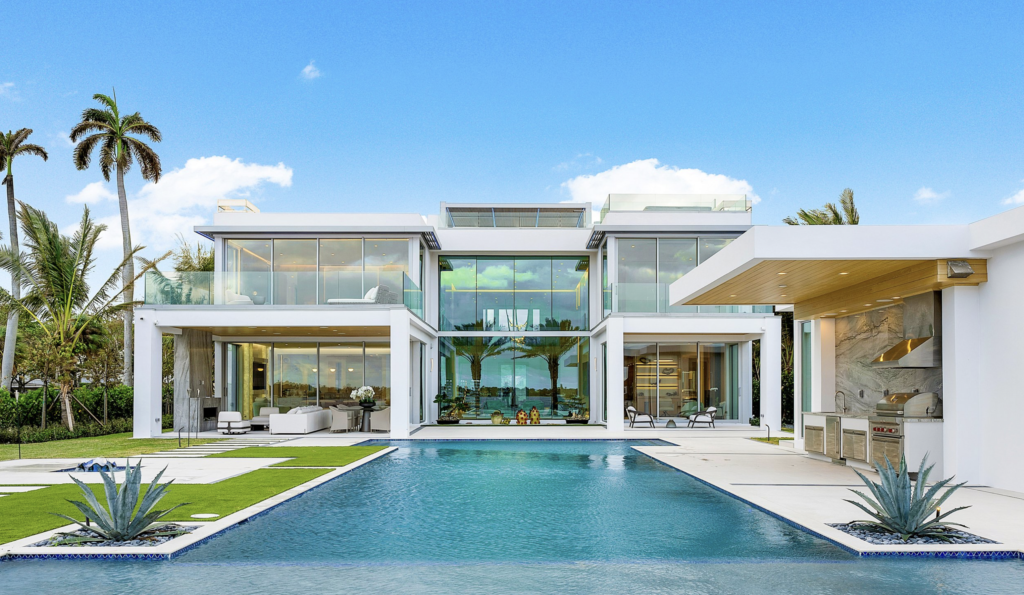
The influx of financial professionals has dramatically transformed the local housing market. Luxury home prices have increased by an extraordinary 187 percent over the past decade, cementing West Palm Beach as one of America’s premier destinations for affluent buyers seeking both lifestyle and financial opportunity.
Luxury Continues to Outperform
The broader luxury housing market continues to outperform the rest of the residential sector.
Pending sales of luxury homes increased 5.2 percent through late spring, while prices at the top end of the market rose more than three times faster than those of conventional homes. The trend suggests that wealthy buyers remain largely insulated from the financial pressures affecting much of the housing market.
Demand is also expanding beyond traditional luxury enclaves. Cities such as Nashville, Austin and San Diego continue attracting affluent buyers drawn by strong local economies, expanding business sectors and desirable lifestyles. As remote and flexible working arrangements become more established among high-income professionals, luxury buyers are increasingly willing to relocate in pursuit of quality of life, favorable tax environments and long-term investment potential.
The Mortgage Divide
While activity at the top of the market remains robust, the experience for average buyers is markedly different.
Thirty-year fixed mortgage rates continue to hover around 6.5 percent, keeping monthly repayments well above levels seen just a few years ago. For many first-time buyers and families hoping to upgrade to larger homes, financing costs remain prohibitively expensive.
Affluent purchasers, however, face a different reality. Many are able to make substantial down payments or complete transactions entirely with cash, reducing their exposure to higher borrowing costs and allowing them to move quickly when desirable properties become available.
This financial flexibility has become one of the defining characteristics of today’s luxury housing market.
Competition Remains Intense
The growing influence of wealthy buyers is also reshaping competition across the market.
More than one in five homes sold above the asking price in June, illustrating the willingness of affluent purchasers to pay premiums for highly desirable properties. At the same time, many existing homeowners continue to hold onto homes secured with historically low mortgage rates, limiting the number of properties available for sale.
The resulting shortage of inventory has intensified competition, particularly in established luxury neighborhoods where supply remains constrained and demand continues to build.
Although overall price growth has moderated compared with the extraordinary gains recorded during the pandemic, the combination of limited inventory and sustained demand from high-net-worth buyers continues to support rising values across much of the country.
A Market Increasingly Defined by Wealth
America’s housing market is no longer moving as a single entity. Instead, it has become increasingly segmented, with luxury real estate following a trajectory largely independent of the broader residential market.
High-net-worth buyers continue to shape pricing, particularly in coastal cities and emerging wealth centers where economic growth is creating new concentrations of affluence. Their ability to purchase with cash or substantial equity has insulated the luxury market from many of the pressures facing average homeowners.
As long as inventory remains constrained and wealth creation continues across sectors such as technology and finance, luxury buyers are likely to remain the driving force behind America’s record home prices, reinforcing a market where opportunity increasingly depends on access to capital rather than access to credit.
Written By: Lydia Kelly
Published: 14th July 2026