
Luxury travel isn’t really about five-star hotels and first-class seats anymore, or at least not only that. For a growing number of wealthy travellers, the real luxury is access. Getting into places closed to the public, sitting down with the historians and artisans working behind the scenes, seeing centuries-old traditions up close instead of through a rope line. That’s become the new bar for what counts as exclusive travel.
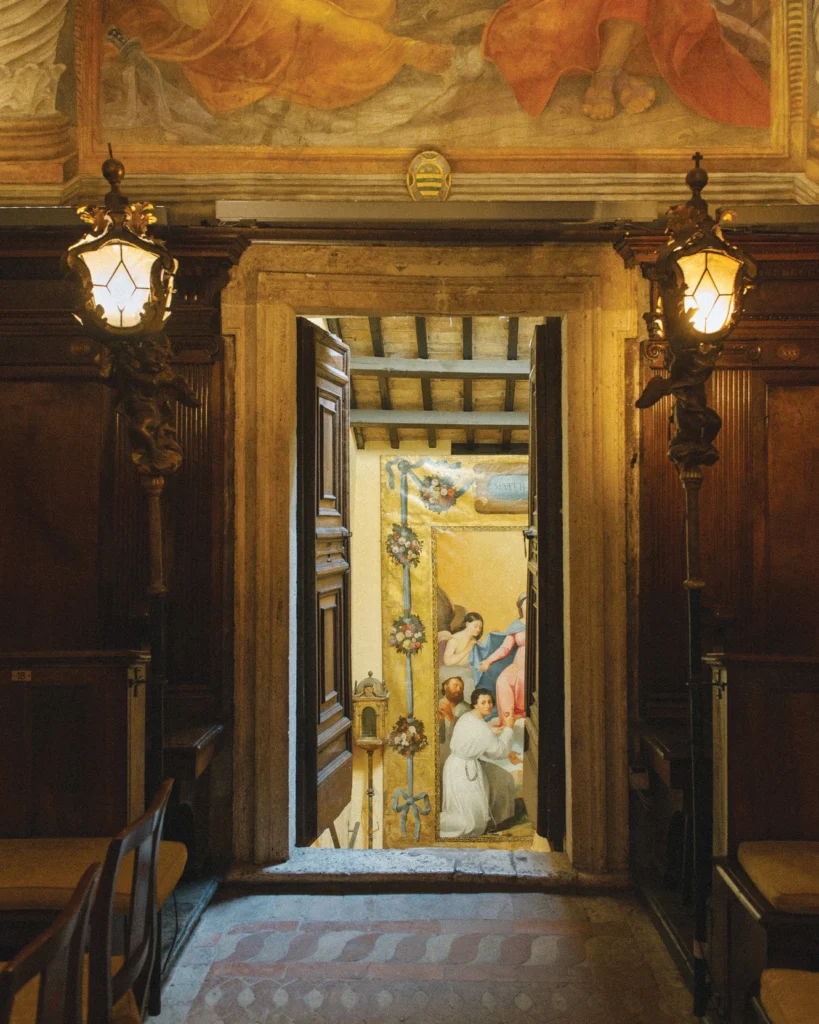
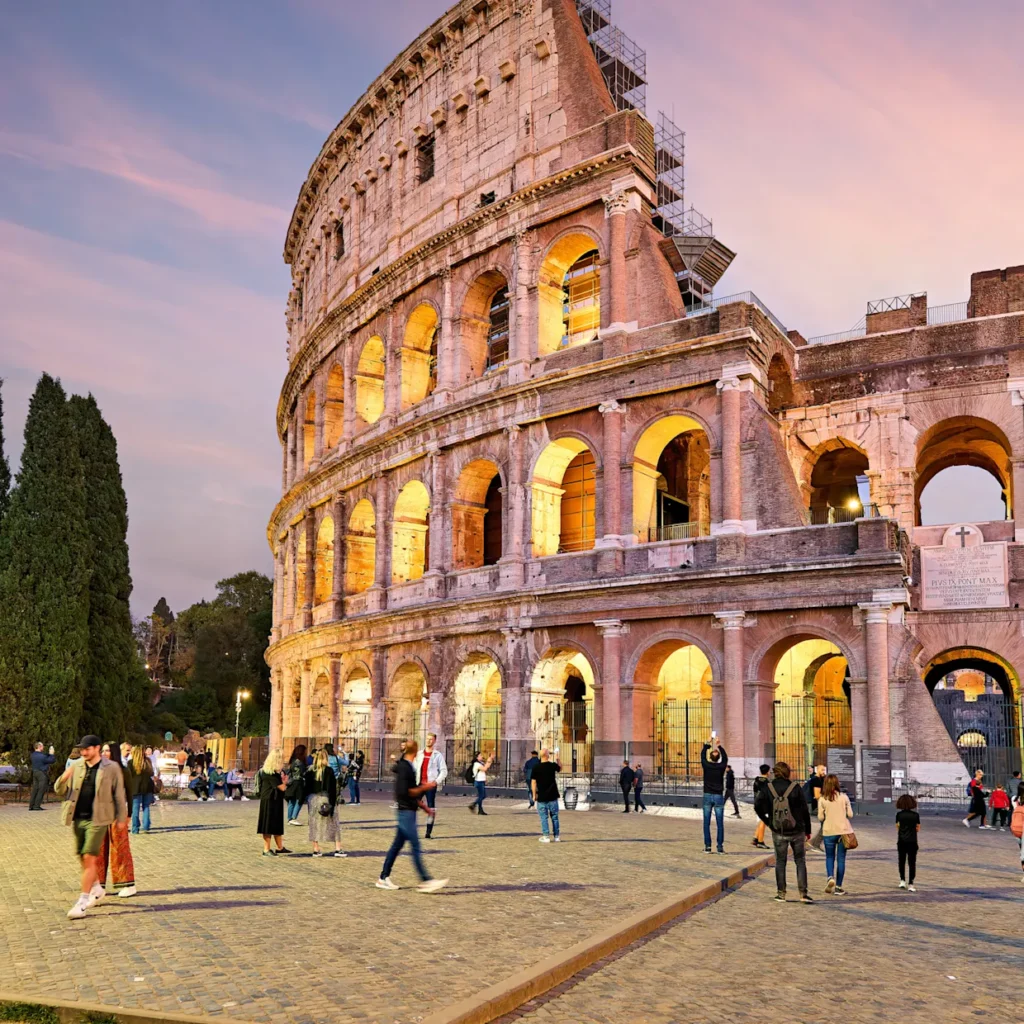
Rome is probably the best example of this shift. Millions of people crowd through the Colosseum and the Vatican Museums every year. But another Rome sits just behind that one, without the queues or the guidebooks, made up of private palaces, hidden chapels, family residences, and conservation workshops that most visitors never get near.
That kind of travel is reshaping the luxury market and creating real demand for the handful of companies that know how to open doors most tourists never even find.
The Rise of Experiential Luxury
Luxury holidays used to mean good hotels, good food, good transport. Those still matter, but wealthy travellers are increasingly after something else: experiences that actually mean something, not just comfort.
It’s part of a broader shift across the luxury world, where people are putting their money into memories rather than things, into stories nobody else can buy off the shelf or copy from a standard tour package.
Exclusive cultural experiences hit that sweet spot because they’re rare and real at the same time. A private dinner inside a historic palace or an after-hours museum visit isn’t something you can fake with a normal sightseeing trip.
Rome fits this demand almost perfectly. It’s one of the oldest continuously lived-in cities on earth, with layer after layer of art, politics and religion built into it. Under the famous monuments sits a huge network of private collections and noble residences that stay closed unless you’ve got the right relationships.
Access as the Ultimate Luxury
“Access” has become the defining word in high-end travel right now. Unlike a nice bag or a good bottle of wine, you can’t just manufacture access. It comes from trust, and from relationships built up over years, sometimes generations.
For the travel designers doing this work, the real asset isn’t a list of hotels. It’s a network: curators, historians, conservators, old families, cultural institutions willing to open up for a small, carefully managed visit.
That kind of access makes an experience feel personal in a way crowded galleries never will. Instead of shuffling through with a hundred other people, a traveller might be walking through a Renaissance room with an art historian, or stepping into a church before it opens to the public, or watching a conservator work on a masterpiece in a studio most people don’t know exists.
Rome’s Hidden Cultural Landscape
For all the crowds Rome pulls in every year, most of its real cultural weight stays out of sight. The city is full of historic palazzi, plenty still owned by the same families for centuries, some holding private art collections and frescoes that almost nobody sees without an invitation.
Religious institutions hold onto chapels, libraries and archives that never make it into a normal tourist itinerary either. A lot of monasteries and convents are still quietly protecting artwork that’s never become a mainstream attraction. Then there are the artisans. Mosaic makers, marble specialists, gilders, instrument makers, textile experts, all keeping techniques alive that helped shape Italian art in the first place.
The Role of Bespoke Travel Specialists
Pulling this off takes a lot more than booking a hotel and a car. The companies doing this well spend serious time building relationships with museums, private collectors, institutions and local experts. Their job is less about logistics and more about interpreting culture and designing an experience around a person.
Instead of handing over a fixed itinerary, they usually start with a conversation. Someone into architecture might spend a day with restoration specialists working on a historic building. A collector might get into private galleries or artisan workshops. Someone who loves food might end up with a family still cooking regional dishes the old way. Every trip gets built around what the person’s actually curious about. This reflects a wider shift in luxury travel, where flexibility and originality are worth more than sheer scale.
Preserving Heritage Through Tourism
Exclusive access also raises a real question about how heritage gets paid for. Historic buildings and fragile collections cost real money to maintain and restore. Well-managed private visits can help cover that cost without loosening conservation standards.
A lot of heritage organisations have found that a handful of respectful visitors beats a flood of tourists, and money from these premium experiences often ends up funding restoration or education work that wouldn’t happen otherwise. Done right, this setup works for everyone. Travellers get a deeper understanding of the place, and the people responsible for protecting it get the resources to continue doing that.
Balancing Exclusivity and Responsibility
This kind of travel isn’t without pushback, though. Some argue cultural heritage belongs to everyone, not just the people who can afford a private tour, and that’s a fair concern. There’s a real risk of a two-tier system where money decides who gets to actually understand a place versus who just looks at it from outside.
The counterargument is that a lot of these places were never open to the public in the first place. Private homes, working conservation studios, family collections- they’d stay closed with or without tourism demand. In those cases, a carefully arranged visit is adding access, not taking it away from anyone. The real challenge is doing this responsibly, in a way that respects both the site and the people connected to it.
Technology Cannot Replace Human Connection
It’s a bit ironic that as AI and booking apps take over more of travel planning, the most valuable experiences still come down to human relationships. An algorithm can suggest a restaurant. It can’t replicate decades of trust between a travel designer and a cultural institution.
Setting up an introduction, arranging a real conversation with an expert, actually understanding local history well enough to explain it- that’s still fundamentally a human job.
The Future of Cultural Luxury Travel
As travel keeps recovering and changing, demand for this kind of personalised cultural experience looks likely to keep growing. Younger wealthy travellers tend to care about education, authenticity and sustainability as much as traditional luxury markers. They want to come home having learned something, not just with photos.
It possesses both famous landmarks and a quieter, hidden version of itself, waiting for anyone willing to look past the standard tourist route.
More Than a Vacation
What makes bespoke cultural travel worth the money, maybe, is how it changes the relationship between a visitor and a place.
Instead of watching history from behind a rope, travellers get to be part of it, even briefly. They meet the people actually keeping traditions alive, maintaining old buildings, protecting artistic legacies day to day.
The future of luxury travel might have less to do with spending big and more to do with perspective. Access matters, not because it’s hard to get, but because it opens the door to actually understanding something.
As experiential travel keeps shaping the industry, the places and companies that can offer real access without losing cultural integrity are the ones that’ll define what luxury travel looks like next. The best souvenir isn’t something you bought. It’s a story nobody else got to have.
Written By: Leah Kim
Published On: 7th August 2026