
Kamalaya Wellness Sanctuary, the Thai retreat known for its holistic health programmes, has partnered with Grand Resort Bad Ragaz in eastern Switzerland to launch a seven-day retreat called “Journey to Inner Vitality.” It’s the first time the two properties have worked together on a shared programme, pairing Kamalaya’s approach to mindfulness and traditional Asian healing with Bad Ragaz’s thermal-water therapies and medical wellness expertise.
The retreat runs at Bad Ragaz, set against the Swiss Alps, and blends practices from both traditions: yoga, Qi Gong, breathing work and sound healing sessions alongside the resort’s own thermal bathing and preventative-health consultations. Guests also get nutrition guidance built around Kamalaya’s “mindful eating” philosophy, which is less about restriction and more about noticing how food affects energy and mood.
Two wellness cultures, one programme
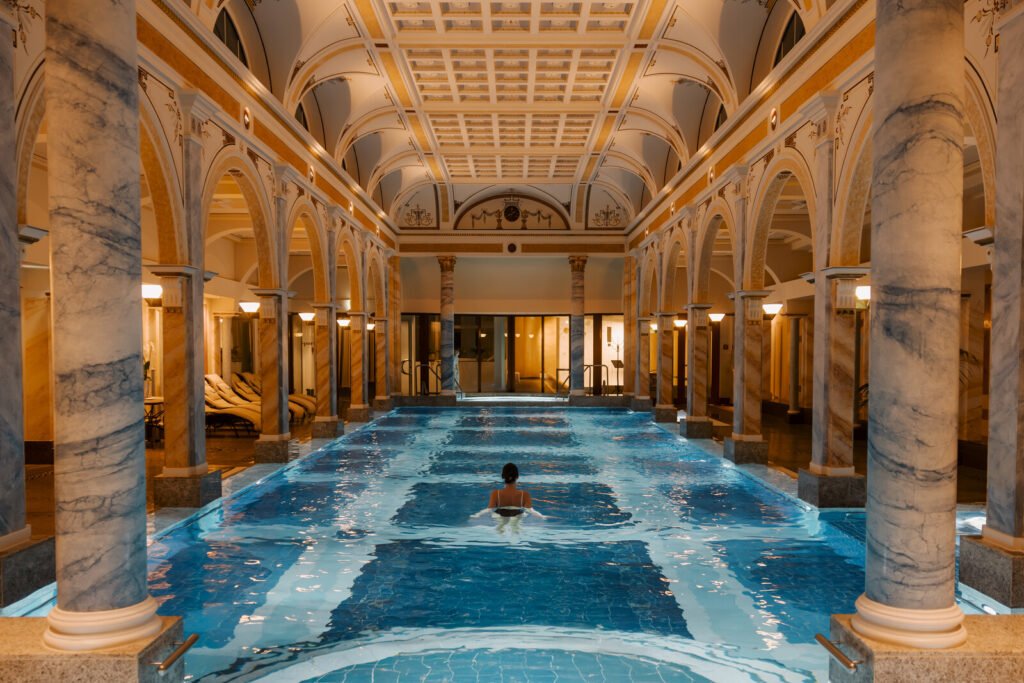
Kamalaya, based on Koh Samui, built its reputation over the past two decades on combining Buddhist-influenced mindfulness practices with contemporary spa treatments. Bad Ragaz took a different route: its thermal springs have drawn visitors since the 1800s, and the resort has since developed a strong medical wing focused on rehabilitation and preventative screening.
The two brands say the collaboration lets each draw on the other’s strengths rather than trying to replicate it. Kamalaya’s team is handling the mindfulness and movement side of the programme, while Bad Ragaz’s in-house physicians oversee the health assessments and thermal therapy components.
Why now
Wellness travel has been shifting for a few years now, away from single treatments toward multi-day programmes with a health or lifestyle goal attached. Bad Ragaz has leaned into this with its medical-wellness positioning; Kamalaya has done the same on the mindfulness side. Putting the two together is a fairly direct response to guests who’ve been asking both properties for something more integrated.
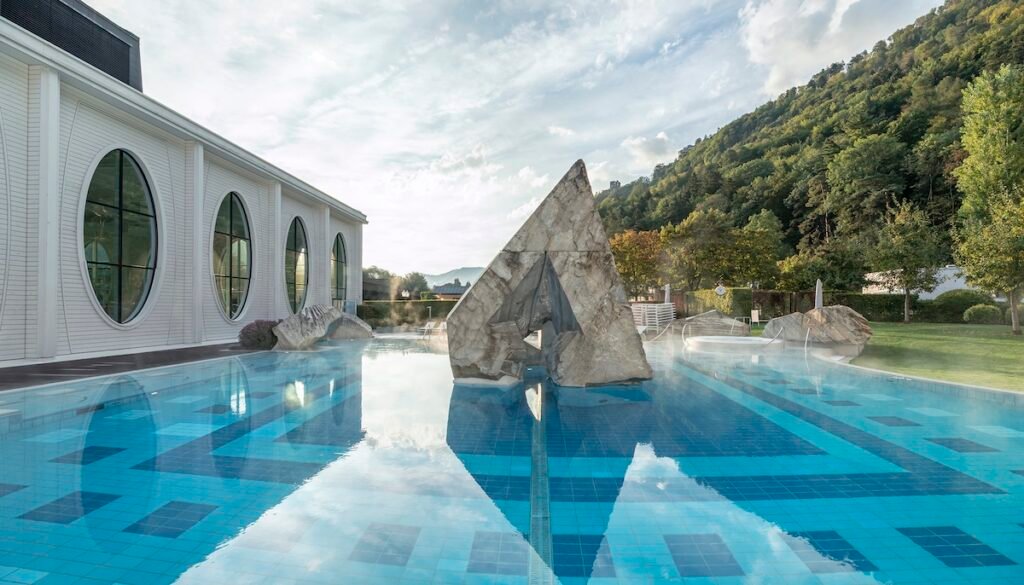
The Alpine setting isn’t incidental to this. Bad Ragaz sits in a valley surrounded by the Alps, and the retreat’s outdoor sessions, hiking, breathing exercises, and some of the meditation work are built around that landscape rather than happening indoors. The mineral-rich thermal water, drawn from a nearby gorge, is used throughout the programme for hydrotherapy and recovery.
What guests actually do
Days follow a loose structure: morning movement (yoga or Qi Gong), a health or nutrition session mid-morning, free time or thermal bathing in the afternoon, and an evening practice like sound healing or guided meditation. There’s a one-on-one consultation early in the week where guests set specific goals (sleep, stress, energy, recovery from illness or injury) and the remaining days are adjusted around that.
Pricing and exact dates for 2026 departures haven’t been published yet; both resorts say details will go up on their respective websites closer to launch.
The bigger picture
This kind of cross-continent wellness partnership isn’t unique to these two resorts; Aman, Six Senses and others have experimented with similar tie-ups in recent years, but it reflects a broader pattern in high-end travel: guests increasingly want the trip itself to produce some kind of lasting change, not just a week of comfort. Whether “Journey to Inner Vitality” delivers on that will likely depend less on the marketing than on what guests report once they’ve actually been through it.
Written By: Leah Kim
Published On: 31st July 2026