
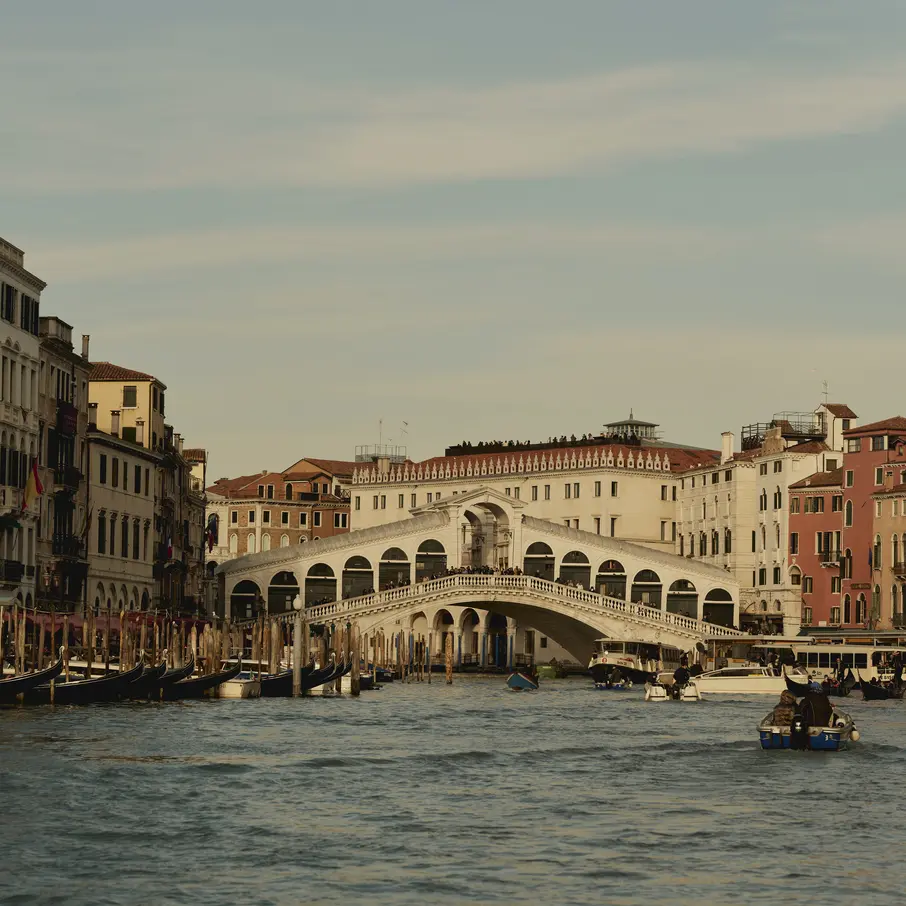
Aman Venice remains one of the most remarkable expressions of luxury hospitality in Europe, not because it tries to reinvent Venice, but because it embraces the city’s unique and beautiful history. Located within the 16th-century Palazzo Papadopoli on the Grand Canal, the hotel is a unique expression of Renaissance architecture in the modern world.
A palazzo history shaped by centuries of art and power
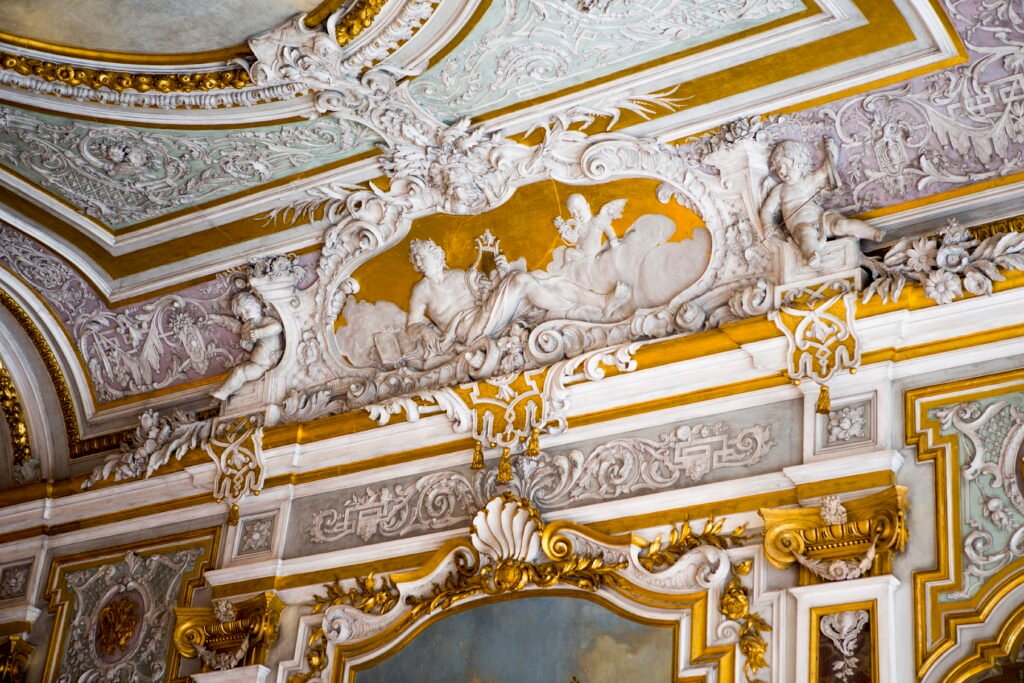
Palazzo’s history begins in the Renaissance. Originally built in the 16th century for the noble Venetian family Coccina, the palace was bought by artist Giambattista Tiepolo around 1748, who painted the ceiling and carnival scenes that remain within its architecture to this day. Over time, it passed through prominent hands, most notably the Papadopoli family, who further enriched the building and its surroundings in the 19th century. This transformation expanded and redesigned the interiors, including richly themed rooms, each in a unique historical style, and turned the palace into a curated journey through aristocratic eras.
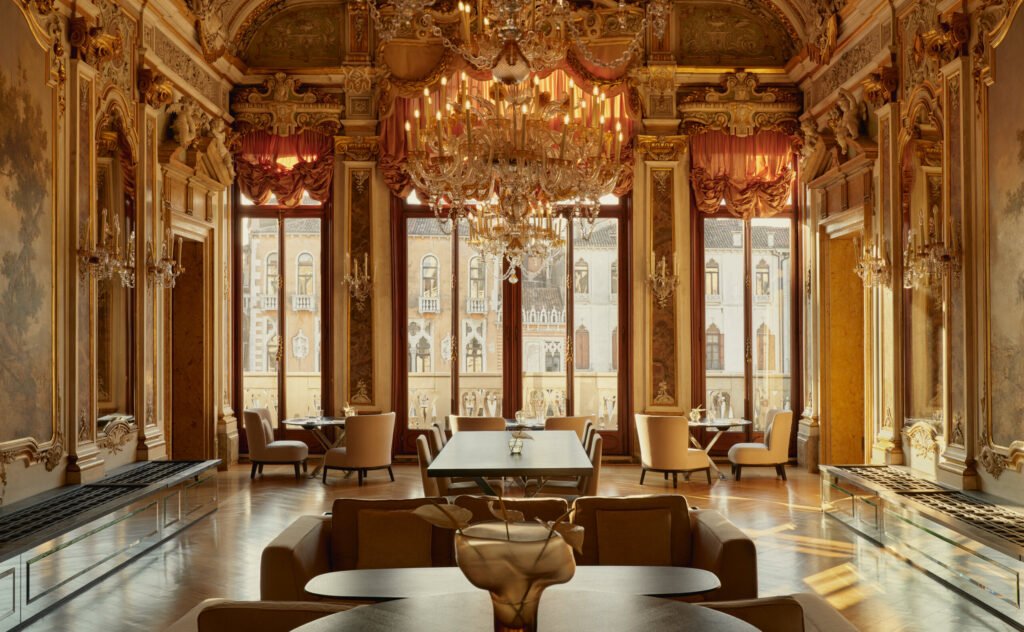
Beyond simply its enriching location or the sheer scale of the building, the increasing significance of the palace is heightened by being one of the “monumental palazzos” of Venice, which refers to Italy’s grand, historic urban mansions and estates. These structures are among the city’s most architecturally and historically important private residences, with many elements of aristocratic life remaining within the walls. This is evidenced within Aman Venice, which features frescoes, stucco work, and Murano glass chandeliers. The hotel thus allows guests to inhabit rooms that were once the private spaces of Venetian nobility.
A rare private world in Venice
Venice is seen as a city of high density, full of architecture, canals, and bustling streets. Against this landscape, Aman Venice provides a distinctive physical and sensory space, such as its private garden, which is regarded as highly unusual in the historic centre of this city.
Arrival at the hotel further reinforces this level of separation. Entering via the Grand Canal on a boat into the palace’s private water entrance, this transition from water into an aristocratic residence highlights the sheer grandeur of the hotel.
Suites as lived-in history
Each room within Aman Venice is different, shaped by the original structure of the palazzo. Elements like traditional high ceilings, antique fireplaces, and silk wall coverings, paired with large windows peering into the Grand Canal or internal courtyards, reinforce its high-end appeal and historic ambience.
The stay at Aman can be held within suites, signature rooms, rooms and apartments, each with their own unique charms. Their suites are described as splendid and are Palazzo’s most spacious, possessing separate living areas and views across the garden or canal.
Dining within a living monument
The dining at Aman Venice continues this high level of immersion. Meals are served in historic rooms previously used for aristocratic gatherings. The cuisine itself consists of authentic Italian dishes crafted using fresh and seasonal ingredients. They celebrate Italian culinary heritage through what they describe as cucina del raccolto, which is rooted in seasonality and proximity, drawing on the idea that food should reflect the cultivated land. In practice, this means menus built around the rhythm of the Venetian lagoon and surrounding regions.
Building on this, the dining experience is made particularly distinctive through their choice of location. Guests can dine beneath centuries-old artwork once commissioned by Venetian nobility or sit beside tall windows that open onto the Grand Canal.
A unique expression of luxury
Aman Venice is made distinctly unique due to its prioritisation of space, heritage, and architectural authenticity. The main luxury lies in its ability to allow guests to inhabit a historic palace in a manner beyond visitation, and instead of residence, transforming one of the world’s most famous cities into something intimate.
Written By: Leah Kim
Published On: 12th June 2026