
In the modern luxury industry, celebrity style is no longer a passive showcase of wealth or glamour. It is a carefully calibrated form of public relations, where fashion choices communicate values, affiliations, and cultural positioning. Red carpet appearances and gala moments now function as global media events, amplified instantly across social platforms, fashion publications, and brand channels. Within this ecosystem, the wardrobe of Meghan Markle has become a case study in how personal style can operate as a sophisticated branding tool.
Celebrity Style as Strategic Communication
Luxury brands increasingly rely on celebrities not just as endorsers, but as storytellers. When a high-profile figure attends a gala, every styling choice is interpreted as intentional, whether or not a formal partnership exists. This makes celebrity style one of the most effective forms of soft power in luxury marketing. It conveys messages subtly, avoiding overt advertising while still influencing consumer perception.
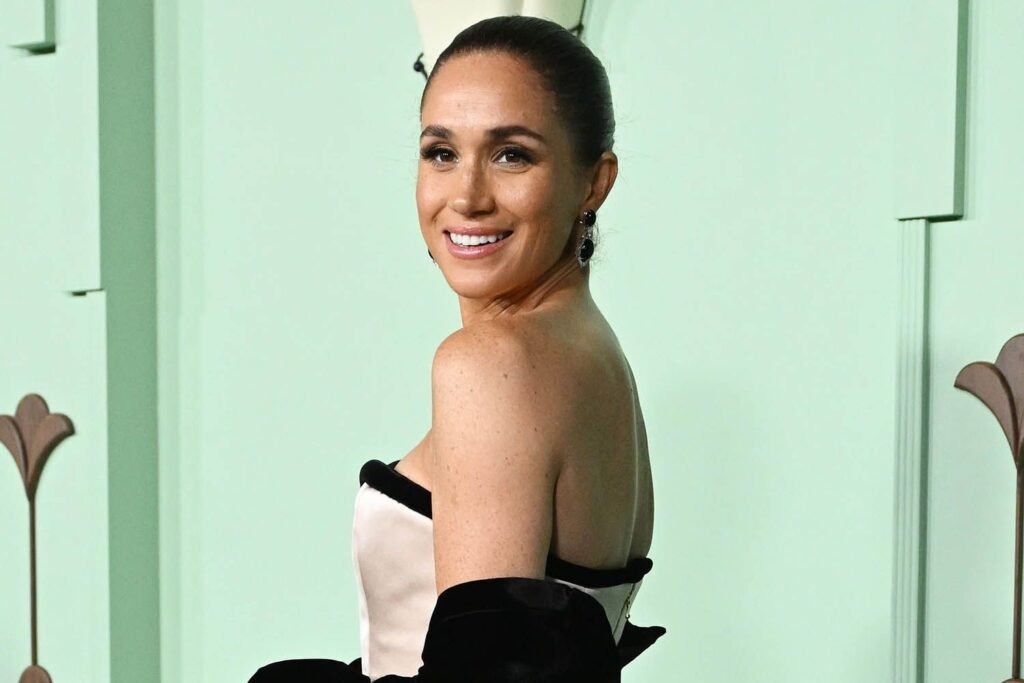
Meghan Markle’s approach to style has consistently aligned with this strategy. Rather than leaning into maximalist glamour, she favors refined silhouettes, neutral palettes, and pieces with historical or ethical significance. This restraint elevates her fashion choices from trend participation to narrative construction. At gala events, where excess often dominates, such minimalism stands out and invites interpretation. For luxury brands, being associated with this type of elegance signals credibility, timelessness, and cultural intelligence.
Jewllery as Narrative and Symbol
The most discussed element of Markle’s gala look was not the gown itself, but her jewelry. Luxury jewelry has always carried symbolic weight, representing heritage, craftsmanship, and status. In Markle’s case, her choice of vintage-inspired pieces added an additional layer of meaning. Rather than showcasing newly released, heavily branded designs, the jewelry referenced history and continuity.
This approach benefits luxury houses in several ways. First, it reinforces the idea that true luxury is enduring, not disposable. Second, it positions the brand or style category as culturally literate, appealing to consumers who value depth and storytelling over logo visibility. Jewelry becomes a narrative device, linking personal identity with broader themes such as legacy, femininity, and resilience.
For the audience, these symbols encourage emotional engagement. Viewers are not simply admiring sparkle, but interpreting intention. This interpretive process is central to effective luxury PR, as it transforms a product into a conversation and a moment into a message.
Authenticity and the Modern Luxury Consumer
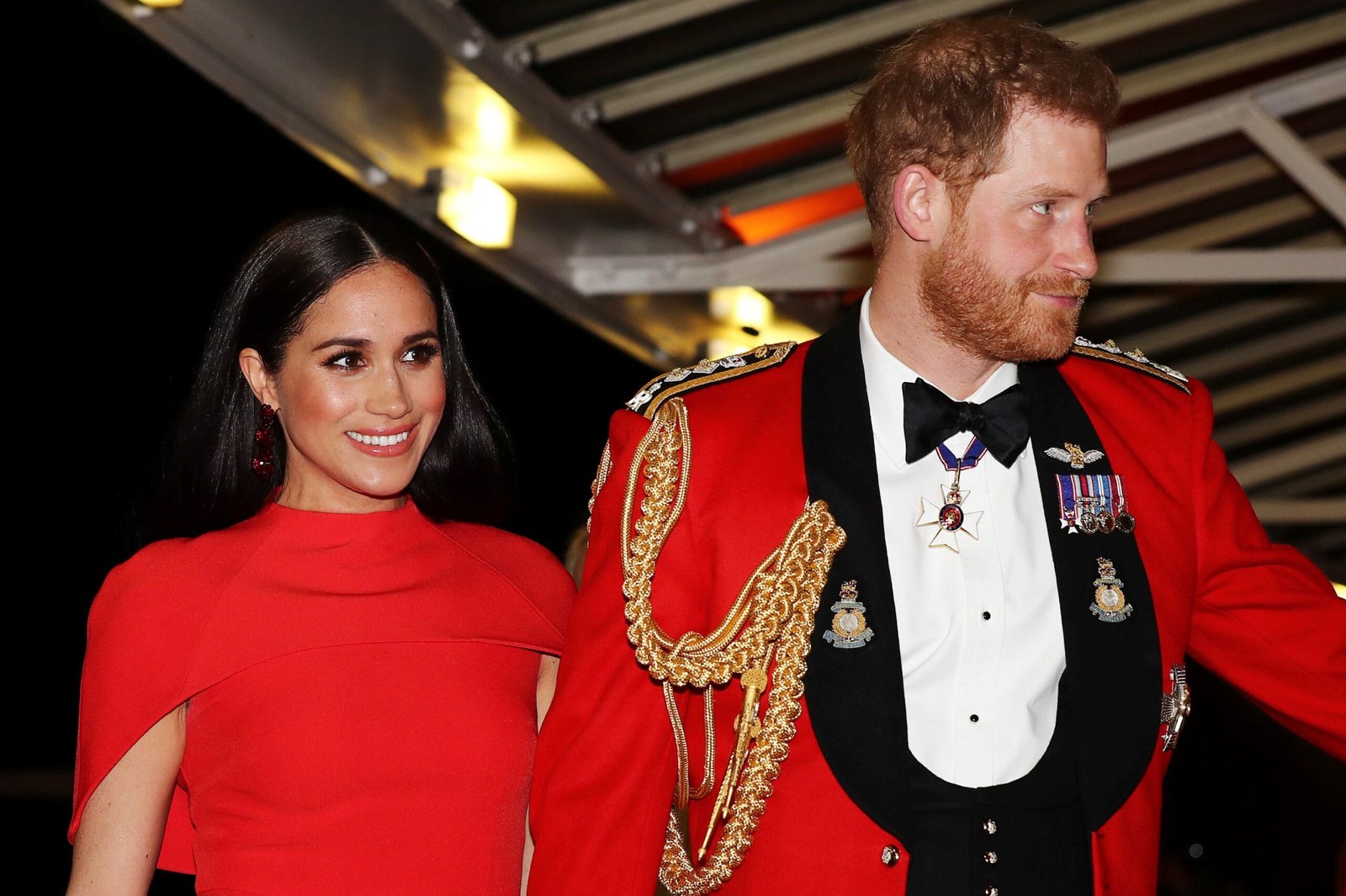
Today’s luxury consumers, particularly younger and socially conscious demographics, are highly attuned to authenticity. They are skeptical of overt sponsorships and increasingly drawn to brands that align with their personal values. Celebrity style plays a critical role in bridging this gap, as it humanizes luxury while maintaining aspiration.
Meghan Markle’s public image is closely associated with advocacy, philanthropy, and independence. When her fashion choices align with these themes, they feel credible rather than contrived. A gala appearance featuring symbolic jewelry or a designer known for ethical practices reinforces her broader narrative. For luxury brands, this association offers reputational value that traditional advertising cannot replicate.
Importantly, this form of PR is indirect. There is no explicit call to purchase, no campaign slogan. Instead, the brand benefits from being part of a larger cultural story. This subtlety is precisely what makes celebrity style so powerful in the current media landscape.
Media Amplification and Brand Impact
The effectiveness of celebrity style as luxury PR depends heavily on media amplification. Fashion journalists, style analysts, and social media commentators dissect every detail of a high-profile appearance. In Markle’s case, coverage often extends beyond fashion pages into cultural commentary, further broadening the reach of the style moment.
This amplification creates a ripple effect. A single gala look can generate millions of impressions, inspire editorial think pieces, and influence consumer searches. Even without formal endorsement deals, luxury brands benefit from association through proximity and aesthetic alignment. The focus shifts from product placement to cultural relevance.
For the luxury industry, this represents a shift in how value is generated. Visibility alone is no longer enough. Meaning, context, and narrative depth determine whether a style moment translates into long-term brand equity. Meghan Markle’s gala sparkle exemplifies this evolution, showing how fashion, identity, and media converge to create influence.
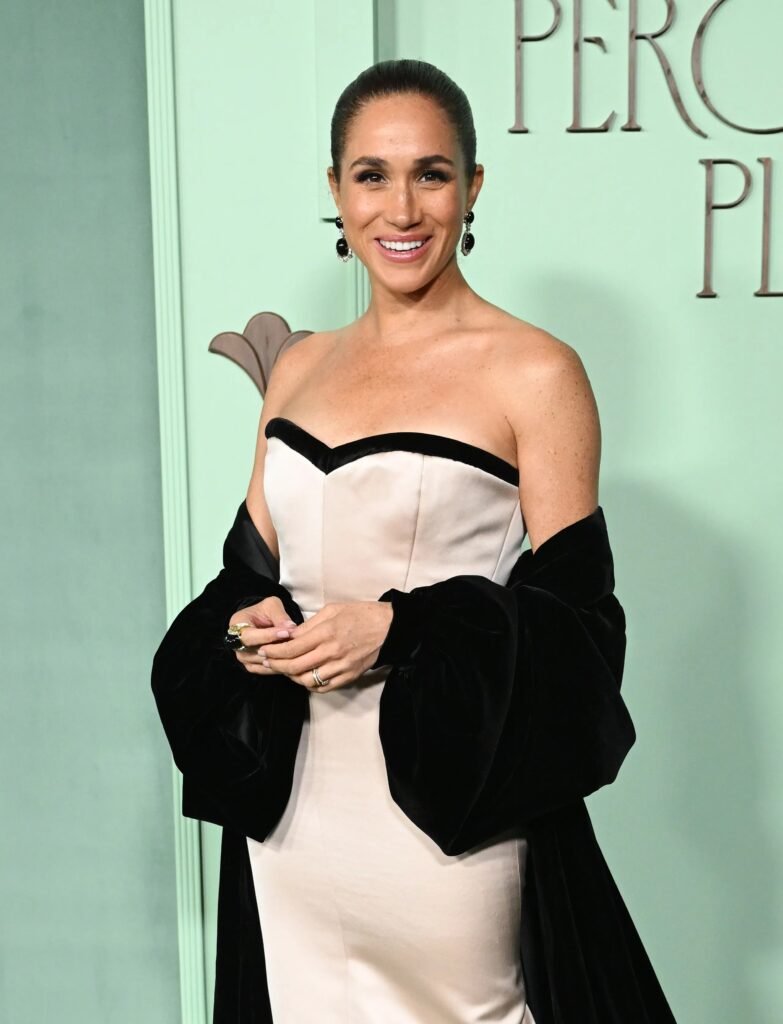
Meghan Markle’s gala appearance demonstrates that celebrity style has evolved into a nuanced form of luxury public relations. Through deliberate choices, symbolic jewelry, and an emphasis on authenticity, her fashion moments operate as cultural signals rather than mere displays of glamour. For luxury brands, these signals are invaluable. They communicate heritage, values, and relevance in a way that feels organic and emotionally resonant.
Written By: Mia Quisumbing
Published On: 10th February 2026