
In Italian fashion, few names carry the same connection to craftsmanship and material excellence as Ermenegildo Zegna. What began as a textile vision in northern Italy evolved into one of the most influential luxury menswear houses in the world, shaped by a philosophy that placed quality, innovation, and responsibility at its centre.

The legacy of the founder extends beyond tailoring. It reflects a broader understanding of fashion as an intersection between industry, community, and culture.
Today, the Zegna identity continues to be defined by the values established at its origin.
The Beginning of a Textile Vision

Ermenegildo Zegna founded the company in the early twentieth century with a clear ambition to create fabrics of exceptional quality.
At a time when textile production was largely localised, his vision extended beyond regional boundaries. He sought to position Italian fabrics within an international context, focusing on precision and innovation.
This ambition shaped the foundation of the brand.
Rather than treating fabric as a secondary element, Zegna positioned material itself as the centre of luxury.
Craftsmanship as Identity
Craftsmanship remains one of the defining aspects of the Zegna legacy.
The company’s approach to textile production emphasised attention to detail, technical expertise, and continuous refinement.
This commitment extended into tailoring, where construction and material worked together to create garments defined by structure and comfort.
The result was a style of menswear that felt both sophisticated and practical.
This balance became central to the identity of the house.
A Relationship with Landscape

The Zegna story is also deeply connected to landscape.
The founder believed that environment and industry should coexist. This philosophy influenced not only production, but also the development of the surrounding region.
The creation of Oasi Zegna reflected this perspective, integrating natural spaces into the identity of the company.
This relationship between fashion and environment continues to shape the brand today.
It represents an understanding of luxury that extends beyond product.
Innovation Within Tradition
One of the defining strengths of Ermenegildo Zegna was the ability to balance tradition with innovation.
While rooted in craftsmanship, the company consistently explored new technologies and methods of production.
This approach allowed the brand to evolve while maintaining its core identity.
Innovation was not treated as disruption, but as refinement.
This philosophy continues to influence how Zegna approaches contemporary luxury.
The Evolution of Menswear
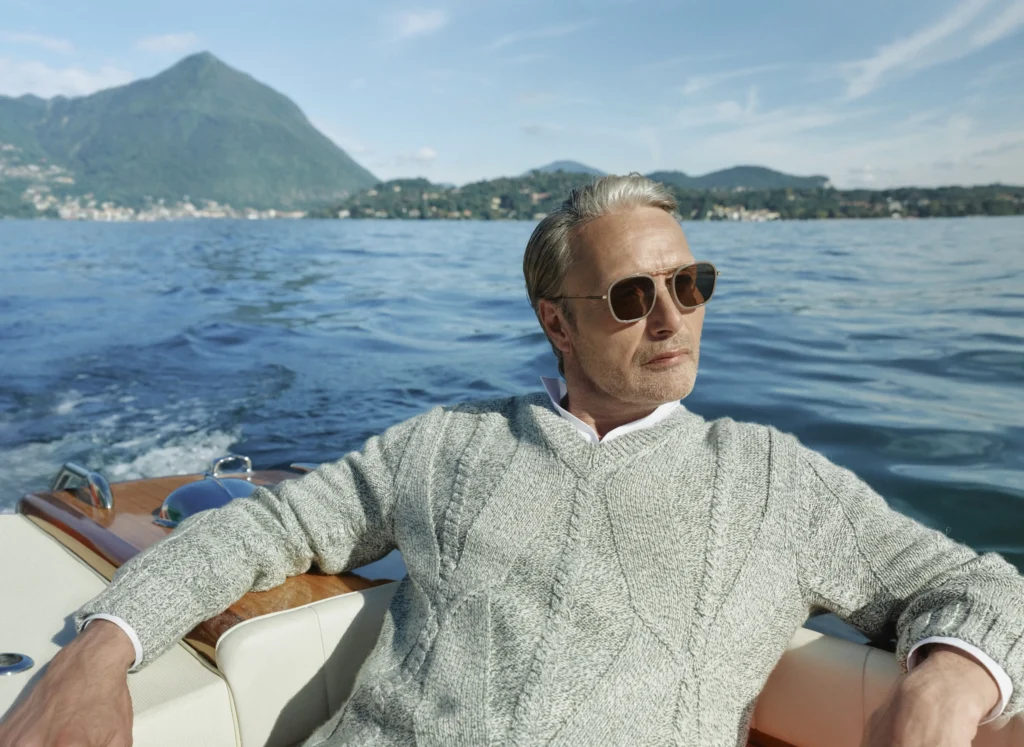
Zegna played a significant role in shaping modern menswear.
The house introduced a perspective that prioritised softness, movement, and ease within tailoring.
This shift influenced broader attitudes towards luxury dressing, moving away from rigidity towards a more relaxed sophistication.
Today, these ideas remain relevant within contemporary fashion.
They reflect a vision of elegance that is understated rather than performative.
A Legacy Beyond Fashion
The influence of Ermenegildo Zegna extends beyond garments.
The founder’s emphasis on responsibility, community, and long term thinking positioned the company differently within the luxury industry.
This perspective shaped the culture of the brand, creating an identity rooted in continuity rather than trend.
It also contributed to the enduring relevance of the house.
The legacy is not only visible in products, but in philosophy.
A Continuing Vision
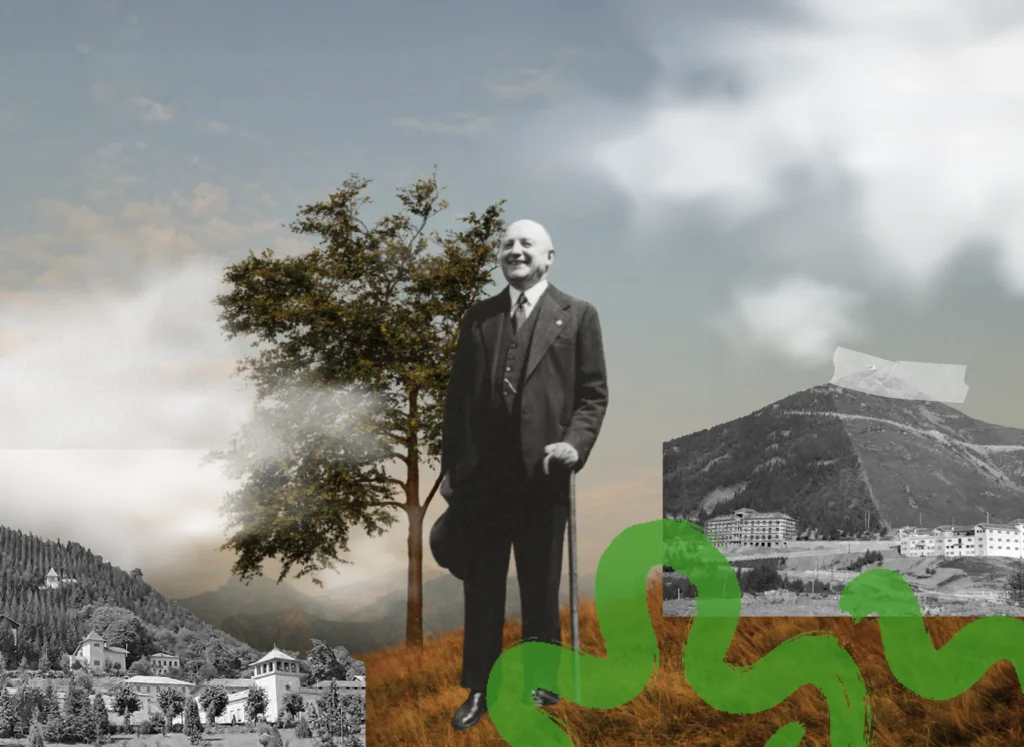
The story of Ermenegildo Zegna remains central to the brand’s present identity.
While the company continues to evolve, the values established by its founder remain visible through craftsmanship, innovation, and a connection to place.
This continuity allows the house to adapt without losing its essence.
It reflects a perspective where luxury is defined not only by what is created, but by the principles behind it.
Written by: Linh Giang Nguyen
Published on: 7 May 2026