
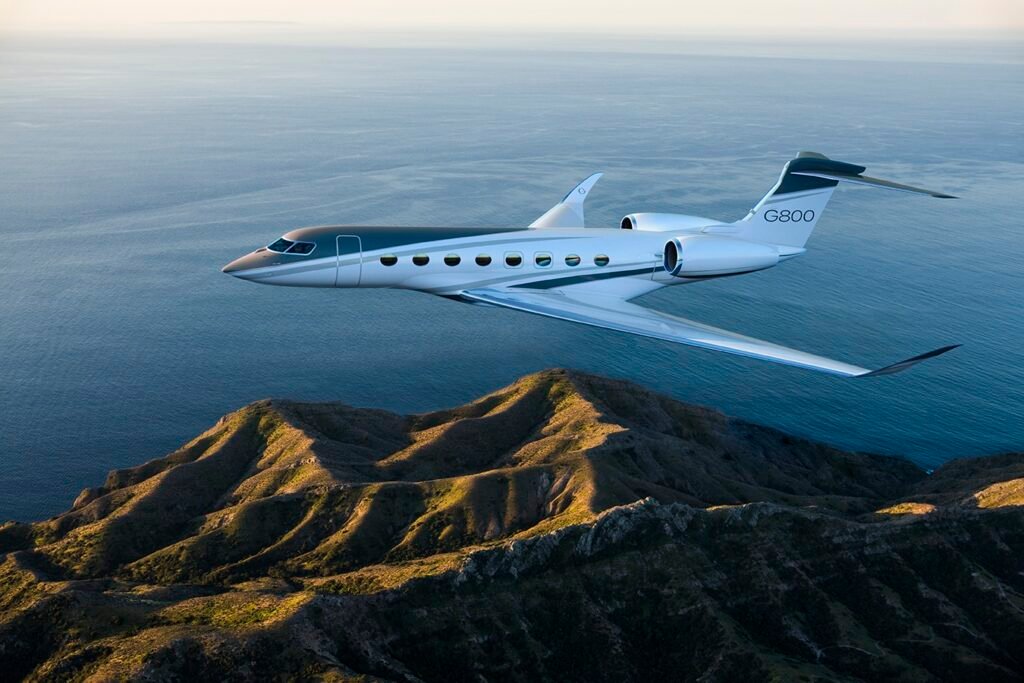
Private jets used to symbolise excess. Today they signal something else. Reliability. Control. Time efficiency. The rise of Gulfstream Aerospace shows how luxury travel has shifted from indulgence to operational necessity for the ultra wealthy and corporate elite. What began as a pandemic response has settled into a structural change in how the richest travellers move across the world.
A Permanent Post Pandemic Shift
When commercial aviation collapsed in 2020, private aviation filled a temporary gap. The assumption across the industry was that demand would fall once airline schedules stabilised. That never fully happened. High net worth travellers discovered the practical advantages of private terminals, flexible departures, and predictable travel time. What began as risk avoidance became preference.
Companies then adapted their operations around mobility certainty. Executives could visit multiple cities in a day without airline connections or cancellations. For industries driven by deal making and global capital flows, time savings translated directly into economic value. Private aviation moved from convenience to productivity tool.
Geography of the Ultra Rich
Flight patterns reveal where capital now flows. Routes linking financial hubs to energy regions, technology clusters, and emerging markets have expanded faster than traditional leisure destinations. Private aviation increasingly connects places that lack direct commercial service but host significant investment activity.
This reflects a transformation in how wealth is organised. Entrepreneurs and investors manage assets across several jurisdictions simultaneously. They move between regulatory environments, funding sources, and production centres within days. The aircraft functions as a bridge across time zones, enabling decision makers to operate continuously. Mobility becomes part of competitive advantage in global finance.
The Economics of Time
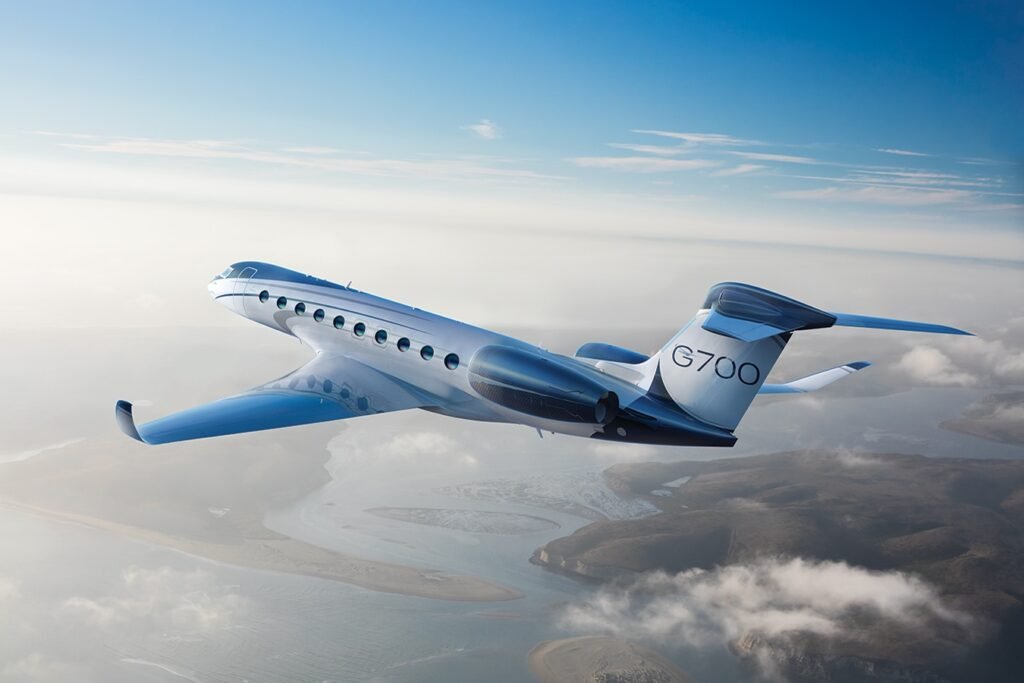
The price of a large cabin jet can exceed seventy million dollars, yet buyers continue to queue. The explanation is less about wealth display and more about opportunity cost. A delayed commercial flight can disrupt negotiations, investment meetings, and supply chain decisions worth hundreds of millions. The aircraft becomes part of business infrastructure rather than transportation.
Fractional ownership and charter platforms expanded this logic further. Clients no longer needed full ownership to access private travel. Instead they purchase guaranteed availability. This model mirrors cloud computing. Users pay for reliable access rather than the asset itself. Luxury therefore becomes a subscription to certainty.
Environmental Tension and Future Legitimacy
Private aviation faces rising criticism because of its emissions profile. A single long range flight can equal the yearly carbon output of multiple households. Regulators and environmental groups increasingly target private jets as symbols of unequal climate responsibility. The sector must respond without undermining its core value of flexibility.
Manufacturers are investing in sustainable aviation fuel compatibility and more efficient engines. The strategy is to maintain operational benefits while reducing reputational risk. The long term survival of the industry depends on reframing private aviation not as extravagance but as high productivity transport with improving environmental performance.
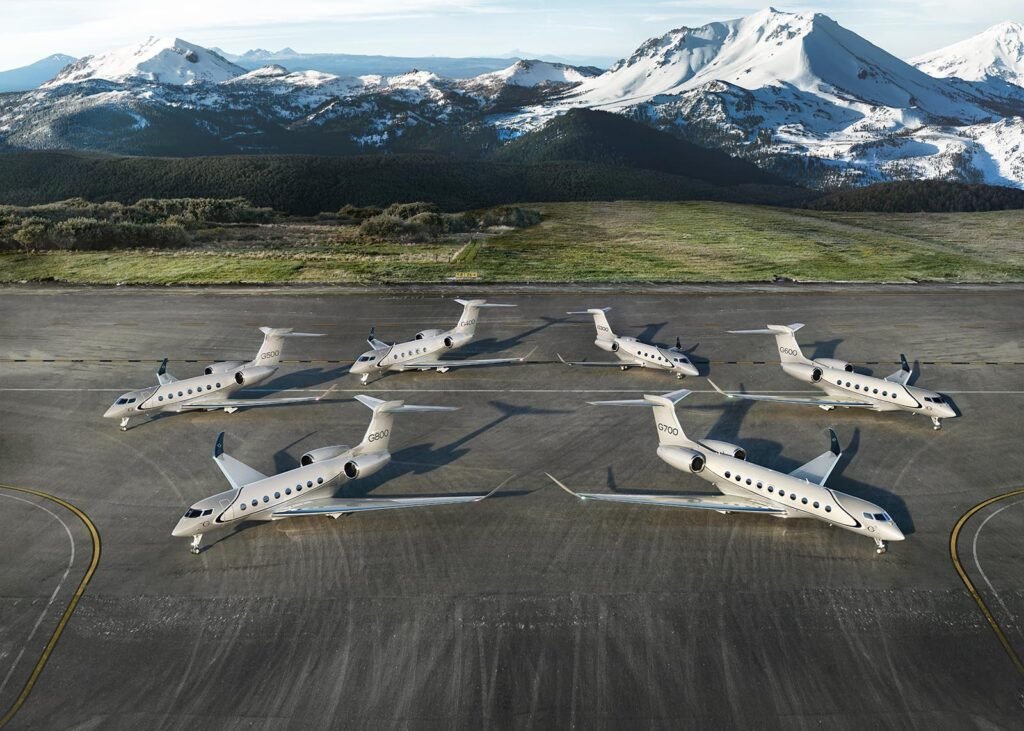
The growth of Gulfstream illustrates a wider shift in luxury consumption. For the ultra wealthy, the most valuable commodity is not rarity or craftsmanship but control over time. Private aviation now operates as connective infrastructure for global capital. The jet is no longer purchased only to impress. It is purchased to operate.
Written By: Mia Quisumbing
Published On: 20th February 2026