
For much of the past decade, fur was treated as a closed chapter in luxury fashion. Brands banned it, consumers rejected it, and the industry publicly moved on. In 2025, however, fur is reappearing in collections and conversations, not as a return to the past but as a test case for the future. At the center of this shift is Kering, which is investing in bio-fabricated fur as a way to reconcile luxury’s appetite for texture and drama with its growing technological and ethical ambitions.
Why Fur Never Fully Disappeared From Luxury
The disappearance of animal fur from luxury fashion was decisive, but it was never creatively complete. While the material itself vanished from runways, the visual and emotional role it played remained unresolved. Fur had long been a shorthand for warmth, sensuality, and excess. When it was removed, designers sought alternatives that could deliver the same impact without the controversy.
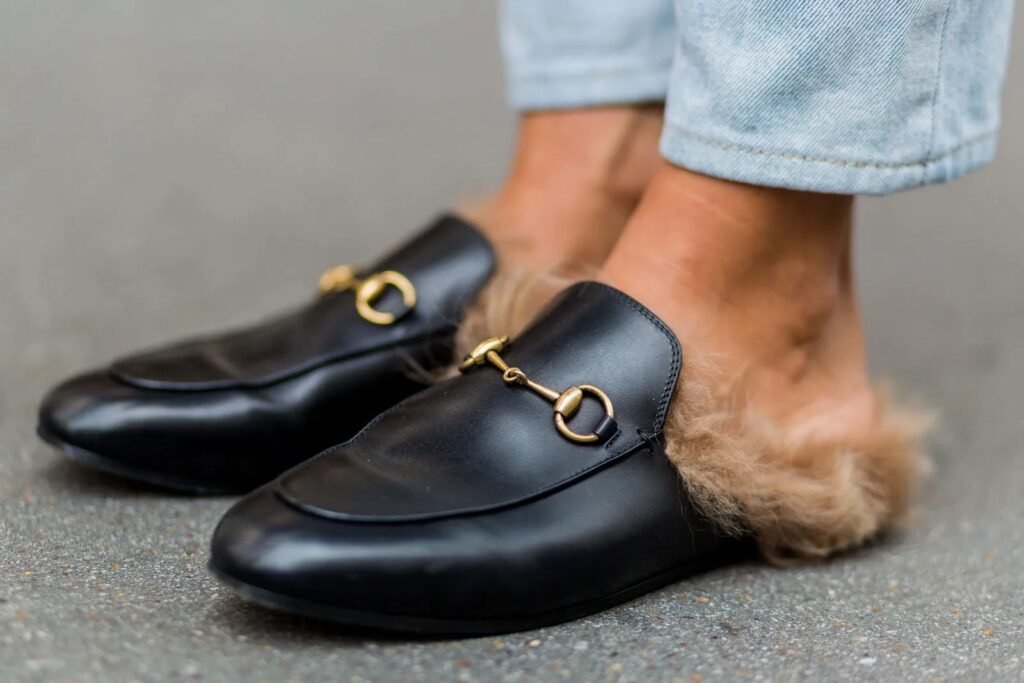
Shearling, heavy wool, mohair, and synthetic plush fabrics stepped in to fill the gap. These materials softened silhouettes and added volume, but they rarely replicated fur’s density or movement. Over time, a quiet contradiction emerged. Luxury continued to rely on fur-like forms while insisting it had moved beyond fur altogether. Consumers noticed the tension even when brands avoided naming it.
By the early 2020s, fur’s influence had become implicit rather than explicit. Oversized coats, exaggerated collars, and textural trims returned season after season. The desire was not for fur itself but for what fur represented. Protection, intimacy, and indulgence in an increasingly unstable world. This distinction created space for fur to re-enter fashion in a new form, provided its origins could be fundamentally rethought.
Kering’s Turn to Bio-Fabrication
Kering’s investment in bio-fabricated materials reflects a broader shift in how luxury approaches innovation. Instead of focusing solely on aesthetics or marketing, the group has spent years exploring material science as a competitive advantage. Bio-fabricated fur fits squarely into this strategy.
Unlike traditional faux fur, which relies heavily on petroleum-based plastics, bio-fabricated fur is developed through biological processes designed to replicate the structure and performance of animal fur without involving animals. The goal is not imitation for its own sake but the creation of a material that meets luxury standards of durability, tactility, and finish while aligning with evolving environmental and regulatory realities.
For Kering, the appeal is both practical and symbolic. Fur bans continue to expand globally, making animal fur increasingly difficult to justify or scale. At the same time, consumers are growing more skeptical of sustainability claims that rely on superficial rebranding. Bio-fabrication offers a solution that feels substantive rather than cosmetic. It allows Kering to retain creative freedom while positioning itself as a leader in next-generation materials.
Notably, this shift is being communicated quietly. Rather than framing bio-fabricated fur as a moral breakthrough, Kering treats it as a design tool. The emphasis remains on quality and innovation, consistent with luxury’s preference for understatement.
Texture, Desire, and the End of Extreme Minimalism
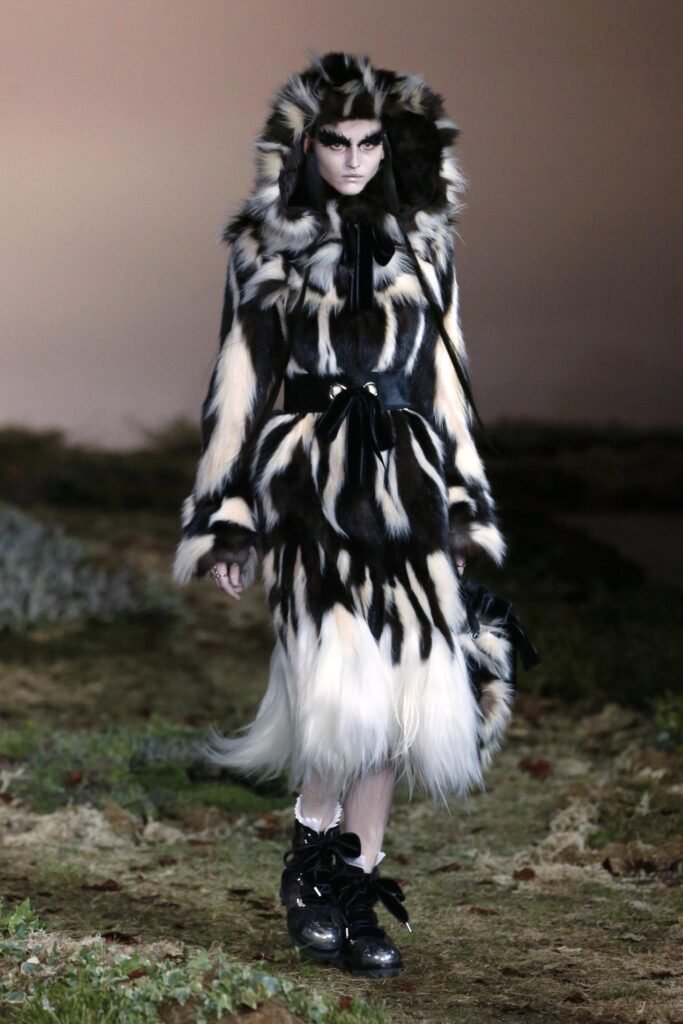
The timing of fur’s re-emergence is closely tied to a broader aesthetic shift. After years dominated by restraint and minimalism, luxury fashion in 2025 is leaning back toward richness and sensation. Consumers are seeking garments that feel substantial and emotionally resonant, not just refined.
Texture has become central to this shift. Designers are prioritizing materials that invite touch and convey warmth, responding to a climate of uncertainty and fatigue. Fur, even in reengineered form, speaks directly to this desire. It offers immediate visual impact allows for sculptural silhouettes, and carries deep cultural associations with comfort and protection.
Across Kering’s houses, recent collections reflect this renewed interest in surface and volume. Coats are heavier, trims more pronounced, and materials more expressive. Whether or not bio-fabricated fur is explicitly used, its logic is visible. The focus has moved from minimal display to sensory experience.This also reflects changing expectations among luxury consumers. Sustainability is no longer a marketing hook but a baseline. What differentiates brands now is the sophistication of their solutions. Bio-fabrication reads as intelligent and forward-looking. It suggests investment in knowledge rather than reliance on symbolism alone.
What Bio-Fabricated Fur Signals for Luxury’s Future
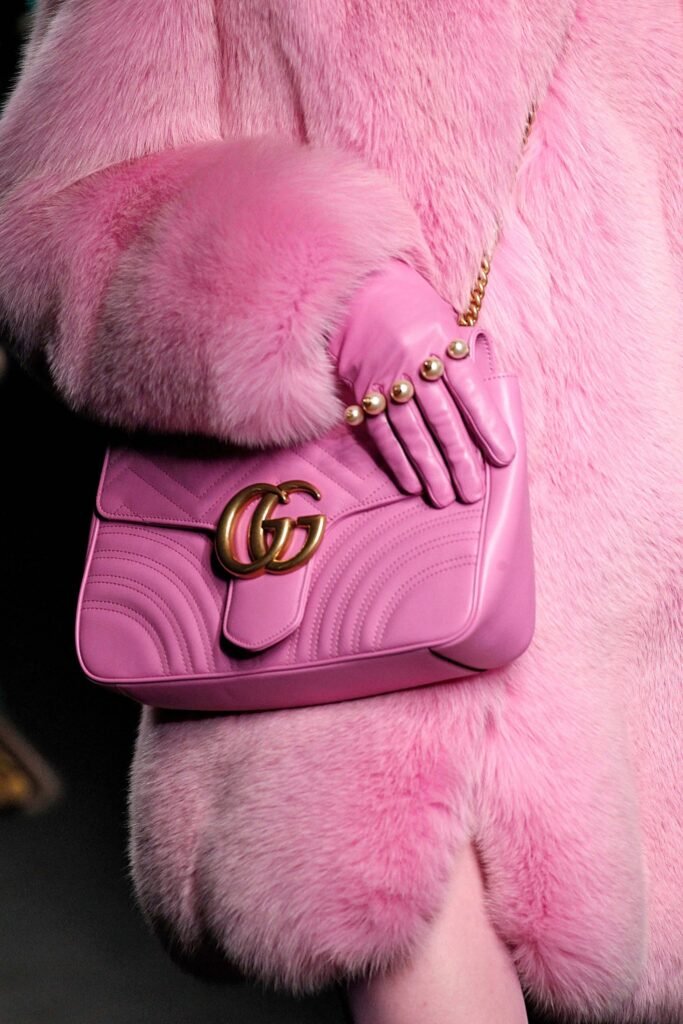
Kering’s approach to fur points toward a larger shift in how luxury navigates controversy. Instead of abandoning contested materials entirely, brands are increasingly turning to technology to redefine them. Bio-fabricated fur reframes the debate. The issue is no longer whether fur belongs in fashion, but how luxury chooses to make it.
If bio-fabricated fur proves scalable and commercially viable, it may render both animal fur and conventional faux fur obsolete. Traditional fur would carry reputational and regulatory risks that no longer feel necessary. Faux fur would struggle to compete if it cannot address its own environmental drawbacks. In this landscape, bio-fabrication becomes the most credible option.
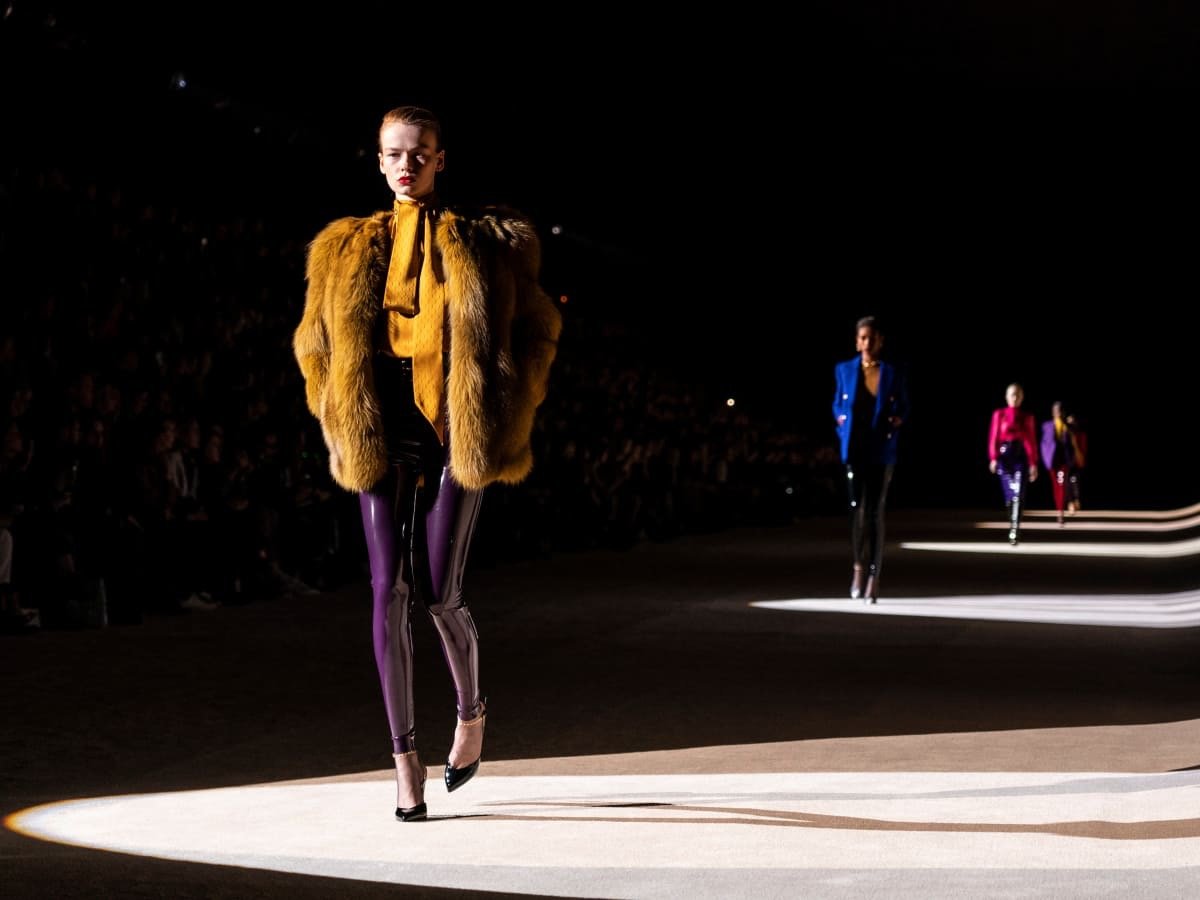
In 2025, fur’s return is not about shock or nostalgia. It is about control, precision, and foresight. By investing in bio-fabrication, Kering is not reviving an old symbol so much as rewriting its meaning. In doing so, it offers a glimpse of how luxury plans to move forward. Not by erasing its past, but by rebuilding it with new materials.
Written By: Mia Quisumbing
Published On: 19th December 2025