
From Michelin starred dining in Tokyo to secluded ryokans in the Japanese Alps, Japan has stepped into 2026 as the most compelling playground for affluent global travelers seeking culture, craftsmanship and quiet exclusivity. Japan’s emergence as 2026’s hottest high end travel destination reflects more than a cyclical trend. It represents a recalibration of what luxury means in an era defined by discernment.
A Surge in Affluent Arrivals
Japan’s ascent as the luxury destination of the year is no accident. After years of carefully managed tourism strategy, the country has struck a rare balance between accessibility and mystique. A favourable exchange rate has amplified purchasing power for visitors from the United States, Australia and across Europe, encouraging longer stays and more indulgent itineraries. Premium cabin load factors on routes into Tokyo and Osaka have climbed steadily, while private aviation operators report increased seasonal demand tied to cherry blossom and autumn foliage periods.
Yet the appeal extends beyond currency advantage. Japan offers safety, seamless infrastructure and cultural depth in equal measure. High net worth travellers increasingly value destinations that feel both enriching and efficient, and Japan delivers with precision. The country’s rail network, multilingual hospitality staff and meticulous service standards make complex multi city itineraries effortless. In a global landscape where overtourism has dulled the shine of many European capitals, Japan feels expansive and undiscovered again, particularly outside the traditional Golden Route of Tokyo, Kyoto and Osaka.
The Reinvention of the Ryokan Experience
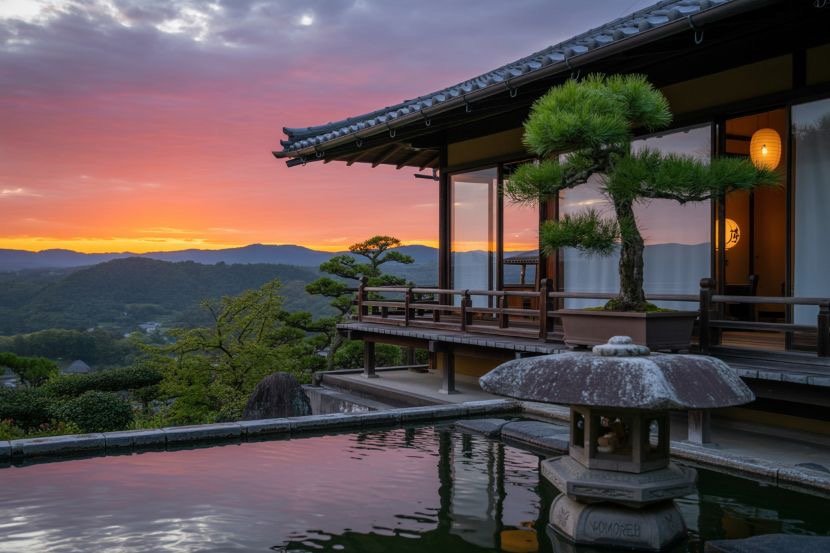
At the heart of Japan’s high end appeal is the reinvention of the ryokan. These traditional inns, once modest countryside retreats centred around tatami rooms and communal baths, have evolved into design led sanctuaries commanding nightly rates comparable to top European resorts. Properties in Hakone, the Japanese Alps and along the Seto Inland Sea now blend centuries old architecture with contemporary minimalism, private onsen baths and hyper local kaiseki dining. Internationally trained chefs collaborate with regional farmers and fishermen to create seasonal tasting menus that rival Michelin starred establishments in global capitals.
Privacy is paramount. Many of these ryokans feature fewer than twenty rooms, some with only six or eight suites, ensuring discretion for celebrity guests, tech founders and family office principals. Service is intuitive rather than performative. Staff anticipate preferences without intrusion, preserving the quiet dignity that defines Japanese hospitality. This fusion of tradition and modern luxury resonates with travellers fatigued by formulaic five star experiences. In Japan, luxury feels intimate, rooted in place and culturally immersive rather than interchangeable.
Tokyo’s Michelin Supremacy and Culutral Capital
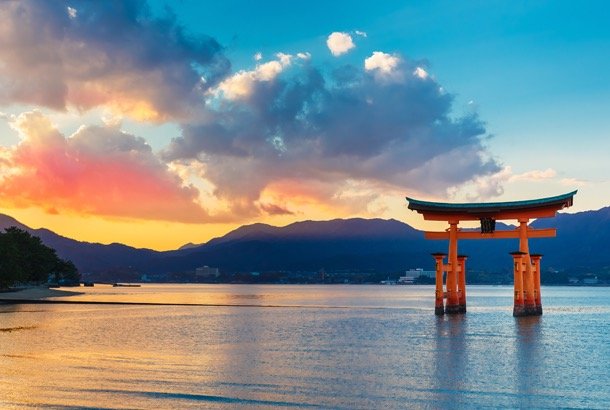
Tokyo remains the gravitational centre of Japan’s luxury ecosystem. The city holds more Michelin starred restaurants than any other metropolis in the world, and reservations at elite sushi counters can be secured months in advance through concierge networks. Dining in Tokyo is not merely about consumption but about ritual. Omakase experiences unfold like theatre, with chefs presenting each piece as a study in technique and provenance. Beyond gastronomy, Tokyo’s luxury retail landscape has evolved into a showcase of architectural innovation. Flagship boutiques in Ginza and Omotesando are designed by leading global architects, transforming shopping into an immersive cultural encounter.
Private galleries in Roppongi and Azabudai Hills cater to collectors seeking contemporary Japanese art, while auction houses report rising interest from overseas buyers. Simultaneously, discreet members clubs and invitation only lounges are multiplying, providing curated environments for networking among global elites. Tokyo’s magnetism lies in its duality. It is futuristic yet deeply respectful of craft, frenetic yet orderly. For affluent visitors, it offers both stimulation and structure, an urban playground where luxury feels purposeful rather than excessive.
Beyond Kyoto, The Rise of Regional Prestige
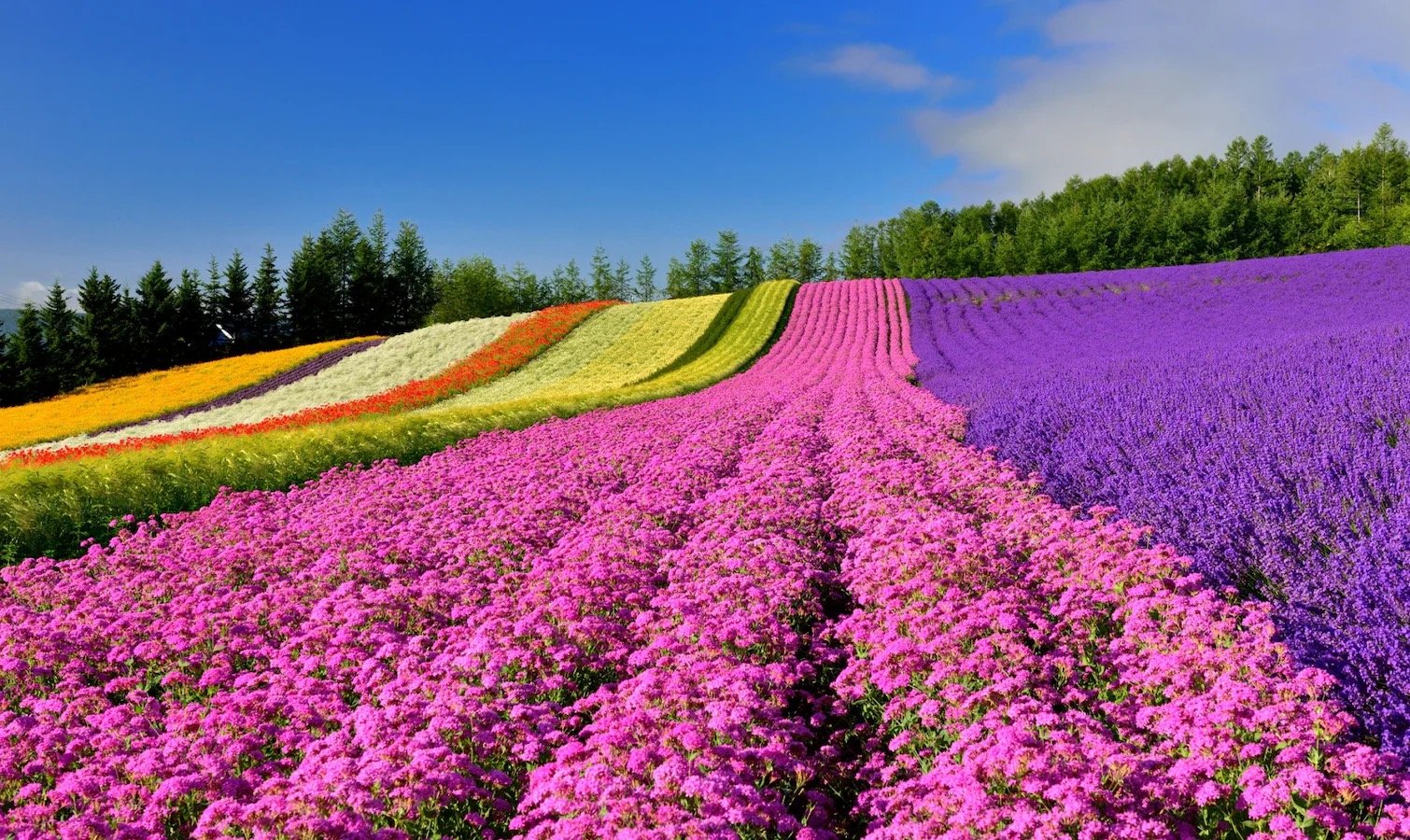
While Kyoto remains synonymous with temples and geisha districts, seasoned travellers are venturing further afield. Hokkaido has emerged as a winter counterpart to the Swiss Alps, with powder snow attracting affluent skiers and new chalet style developments elevating Niseko’s property market. In summer, the island’s cool climate and seafood rich cuisine draw a different clientele seeking understated relaxation. Meanwhile, Naoshima and neighbouring art islands in the Seto Inland Sea have solidified their reputation as pilgrimage sites for contemporary art collectors.
Architecturally significant museums, sparse landscapes and boutique accommodations create an atmosphere of contemplative exclusivity. In Kyushu, volcanic landscapes and remote hot spring towns offer wellness experiences grounded in nature rather than spectacle. These regions benefit from Japan’s commitment to infrastructure investment, including luxury train journeys that connect destinations with panoramic routes and private cabin service. The result is a layered travel narrative. Visitors can begin in Tokyo’s electric energy, transition to Kyoto’s historic grace and conclude in a remote coastal village without sacrificing comfort or connectivity. This geographic diversity ensures repeat visitation, a critical marker of sustainable high end tourism.
Affluent travellers are seeking authenticity, craftsmanship and cultural intelligence alongside comfort. Japan offers all three with quiet confidence. Rather than competing on spectacle alone, it invites guests into a refined dialogue between past and future. In doing so, it has positioned itself not merely as a destination of the moment but as a benchmark for the next chapter of global luxury travel.
Written By: Mia Quisumbing
Published On: 27th February 2026