
When the world’s largest luxury group makes a move, the entire industry pays attention. LVMH has formally elevated Antoine Arnault to a more senior role on its executive board, a decision that feels less like a surprise and more like a statement. This is not simply a promotion. It is a carefully choreographed signal about continuity, control, and how power in luxury is inherited as much as it is earned.
A Calculated Step in the Arnault Succession Story
For years, speculation around succession at LVMH has hovered over the group like couture gossip. With founder and chairman Bernard Arnault still firmly in control, every move involving his children is read as intentional.
Antoine Arnault’s rise is especially significant because his profile differs from that of his siblings. Where others are closely associated with specific maisons or operational leadership, Antoine has built his influence through brand strategy, communications, and long term vision. His expanded role on the executive board places him closer to the center of decision making at a moment when luxury needs narrative clarity as much as financial discipline. This promotion reinforces a core truth about LVMH. Succession here is not abrupt. It is layered, gradual, and designed to reassure investors and partners that the group’s leadership DNA remains intact.
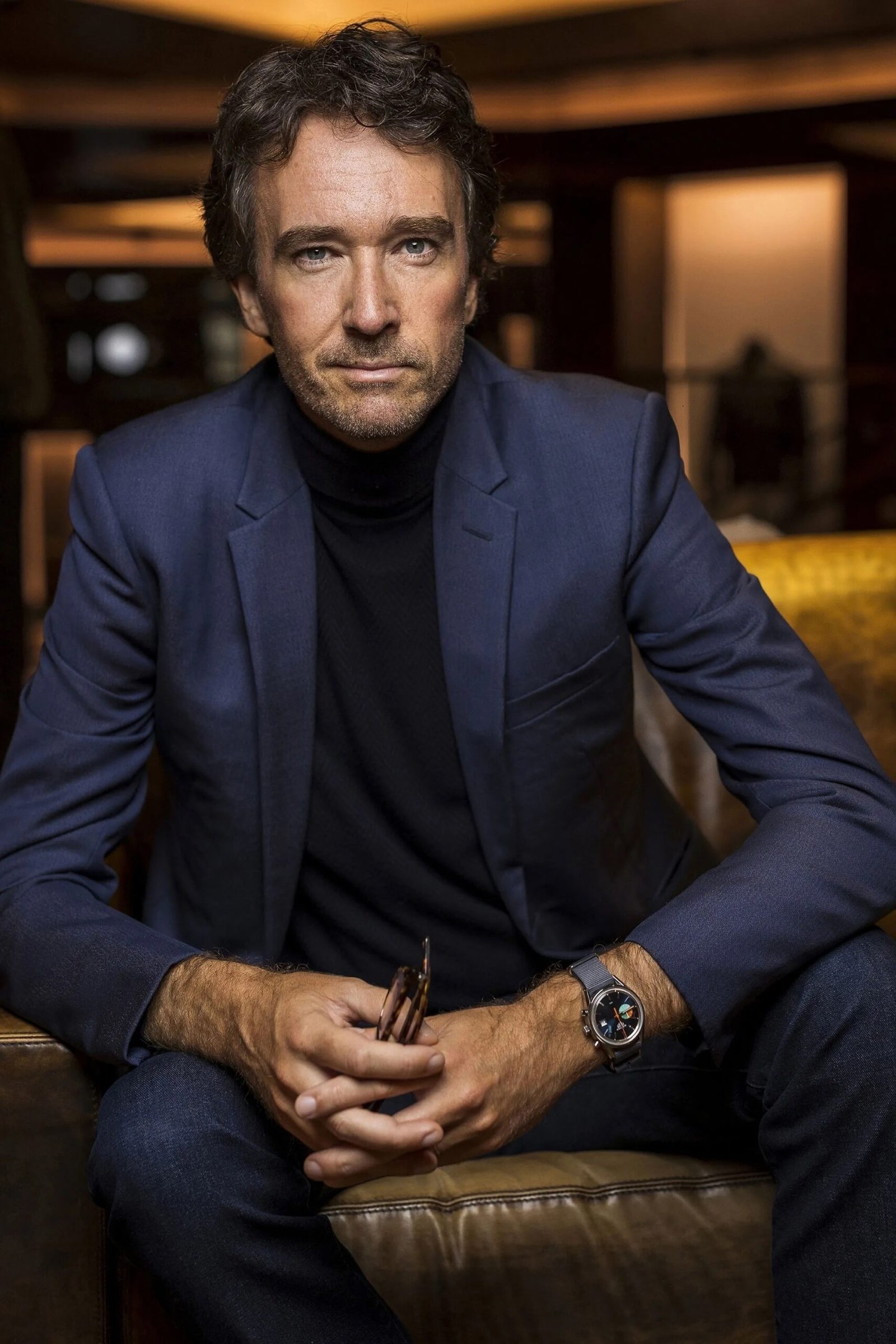
Why Antoine Arnault Matters to Modern Luxury
Antoine Arnault is not just a legacy name. Over the past decade, he has shaped how LVMH presents itself to the world. From overseeing image and communications to chairing Berluti and playing a key role at Dior, his influence has been about positioning rather than production.
That matters in 2026. Luxury consumers are no longer buying products alone. They are buying values, storytelling, and cultural relevance. Antoine’s background makes him particularly attuned to these shifts. Sustainability messaging, corporate responsibility, and brand authenticity all sit comfortably within his strategic wheelhouse.
By elevating him now, LVMH is signaling that the next phase of luxury leadership will prioritize perception alongside performance. That is a very chic power move.
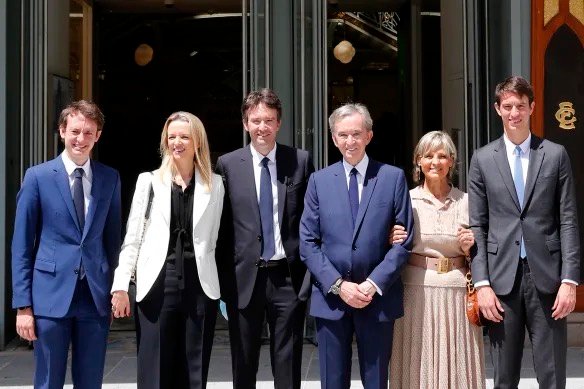
Investor Confidence and the Politics of Stability
Markets love predictability, especially in a sector as emotionally driven as luxury. LVMH’s decision to strengthen Antoine Arnault’s role is a reassurance play aimed squarely at investors. Family controlled businesses often face skepticism around governance, yet LVMH has consistently reframed family involvement as a strength. Clear internal progression reduces the risk of sudden leadership shocks and reinforces the idea that the group is built for decades, not quarters.
At a time when competitors are reshuffling creative directors, navigating ownership changes, or grappling with uneven demand in China and the United States, LVMH’s steadiness stands out. This promotion reinforces the group’s image as the adult in the room, calm, controlled, and fabulously unbothered.
What This Means for the Broader Luxury Industry
Beyond LVMH, Antoine Arnault’s elevation highlights a wider truth about luxury today. Heritage still matters, but only when it is paired with modern governance and strategic clarity.
Luxury groups are increasingly judged not just on growth, but on how well they manage leadership transitions, brand coherence, and long term vision. LVMH is effectively setting a benchmark. Succession does not have to be dramatic. It can be incremental, transparent, and deeply strategic. For rival conglomerates and independent maisons alike, the message is unmistakable. The future of luxury belongs to those who can balance legacy with adaptability, family with professionalism, and power with polish.
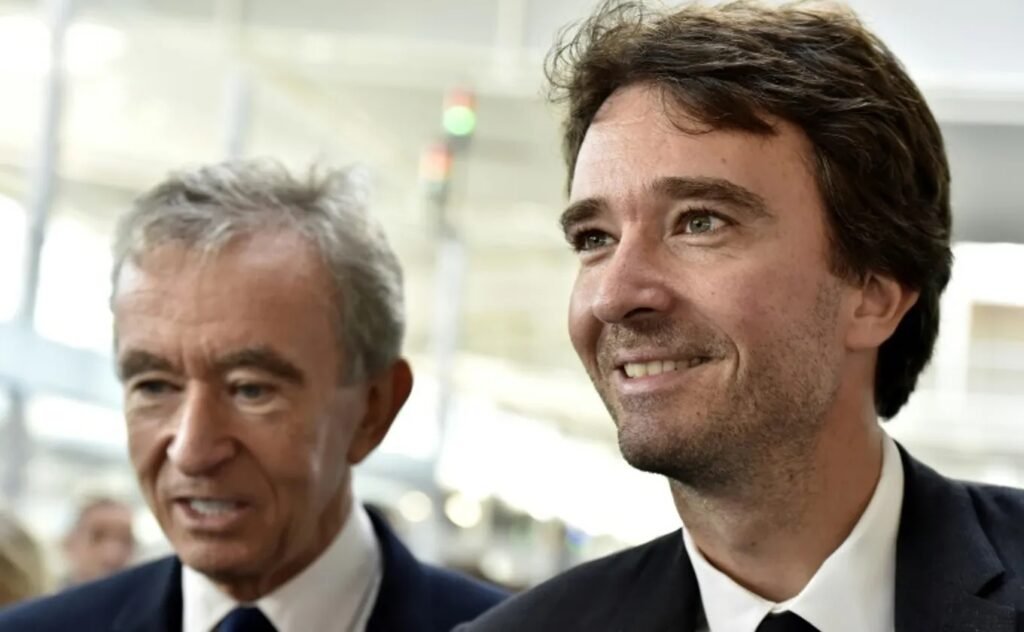
In elevating Antoine Arnault, LVMH is not rushing toward change. It is curating it. And in luxury, that is always the most powerful move.
Written By: Mia Quisumbing
Published On: 10th February 2026