
Within the intersection of cinema and fashion, few initiatives have sustained cultural relevance as consistently as Miu Miu Women’s Tales. Created by Miu Miu, the series has long provided a platform for female directors to explore themes of identity, autonomy and creative expression through the lens of short film.
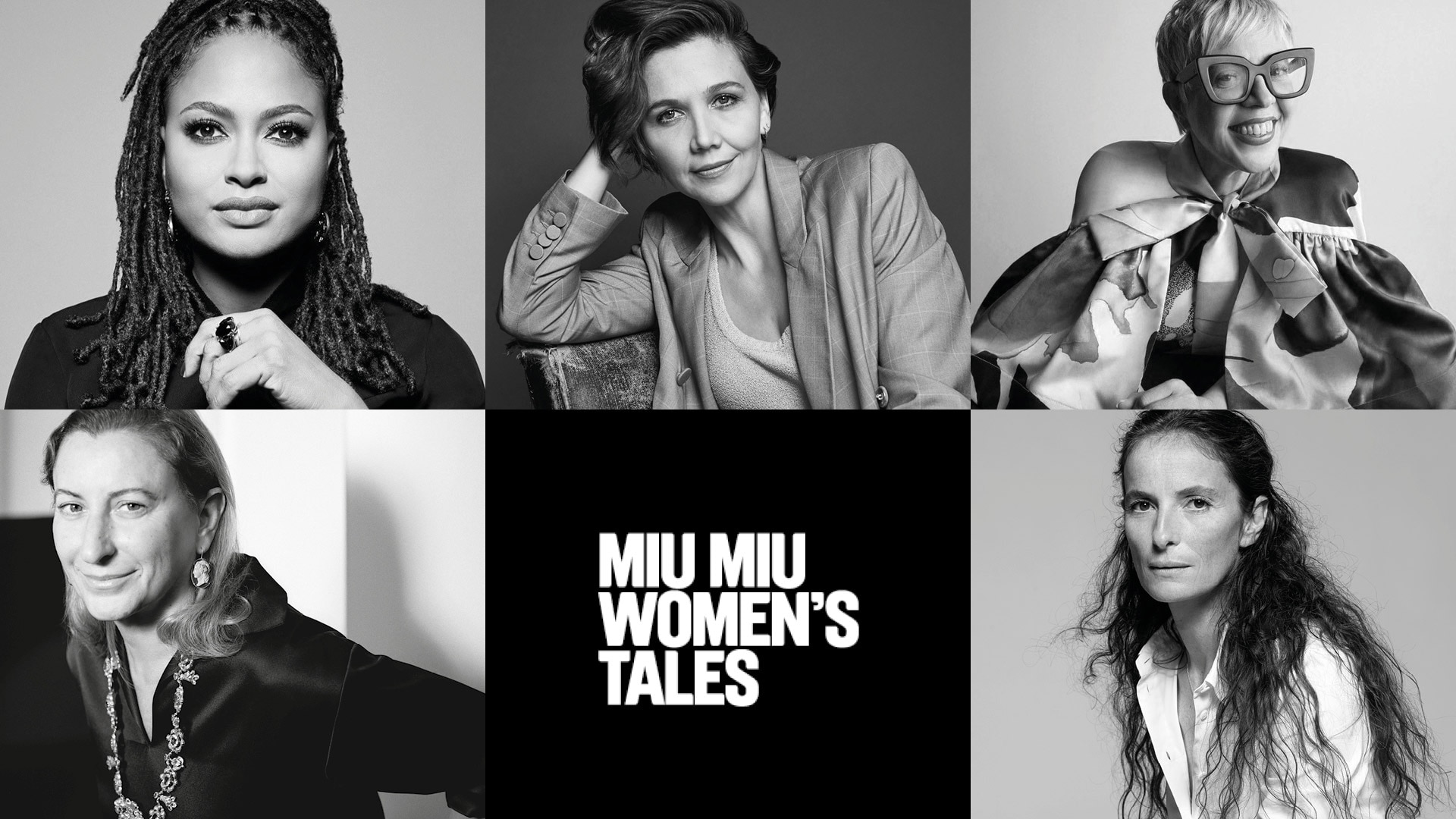
The latest chapter, titled Discipline, directed by filmmaker Mona Fastvold, continues this tradition while introducing a contemplative new narrative. The project does not simply accompany fashion imagery. Instead, it expands the conversation around womanhood, creativity and personal freedom.
Through carefully constructed visual storytelling, the film invites viewers to reconsider how discipline and self discovery coexist within contemporary life.
A Series That Blends Fashion and Film
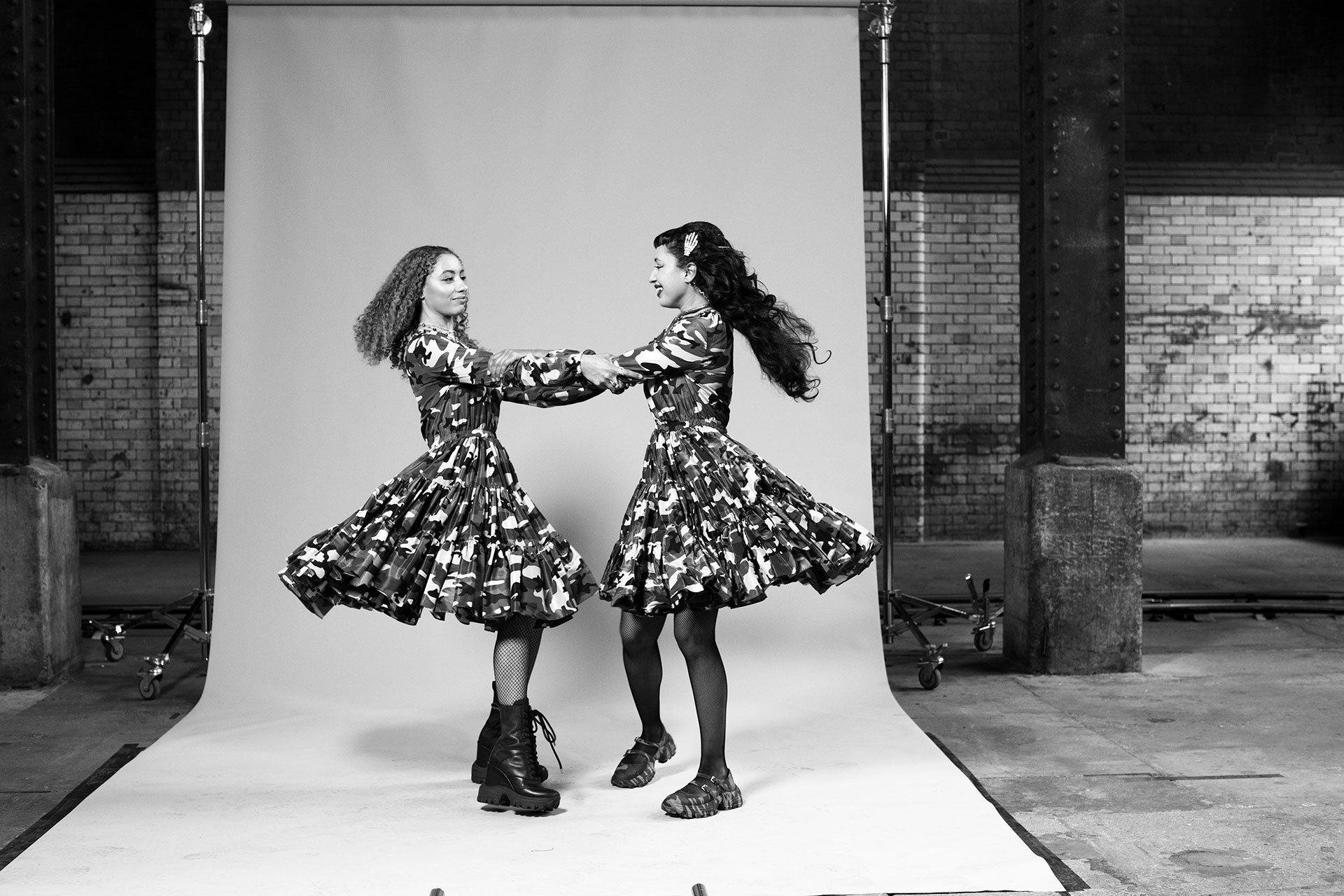
Since its inception, Women’s Tales has stood apart from conventional fashion campaigns. Rather than promoting garments through straightforward narrative, the series commissions independent directors to create cinematic works that reflect personal and cultural themes.
Each film operates as a standalone artistic statement. Fashion remains present through styling and atmosphere, yet it never dominates the storytelling.
This approach has allowed the project to evolve into a cultural archive of perspectives on femininity. Directors from diverse backgrounds contribute narratives that reflect shifting social conversations.
With Discipline, the series adds another dimension to this evolving dialogue.
Mona Fastvold’s Cinematic Perspective
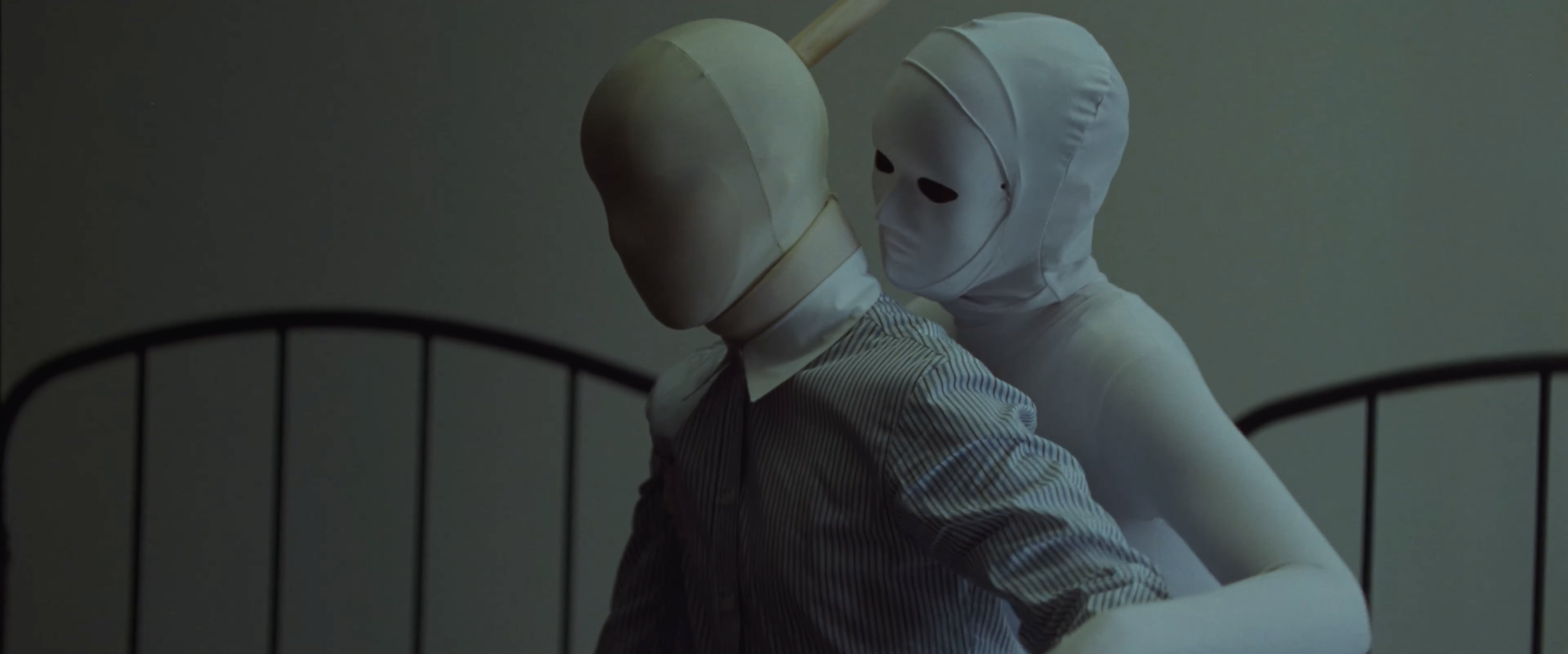
Mona Fastvold brings a distinctive sensibility to the project. Known for her poetic approach to filmmaking, the director often explores emotional complexity through quiet imagery and restrained dialogue.
In Discipline, Fastvold constructs a narrative that unfolds gradually. The camera lingers on moments of stillness, allowing subtle gestures and expressions to shape the story.
This deliberate pacing reinforces the film’s central theme. Discipline is presented not as restriction but as a pathway to clarity.
Through her direction, Fastvold transforms a simple narrative premise into an atmospheric meditation on personal transformation.
Visual Language and Atmosphere
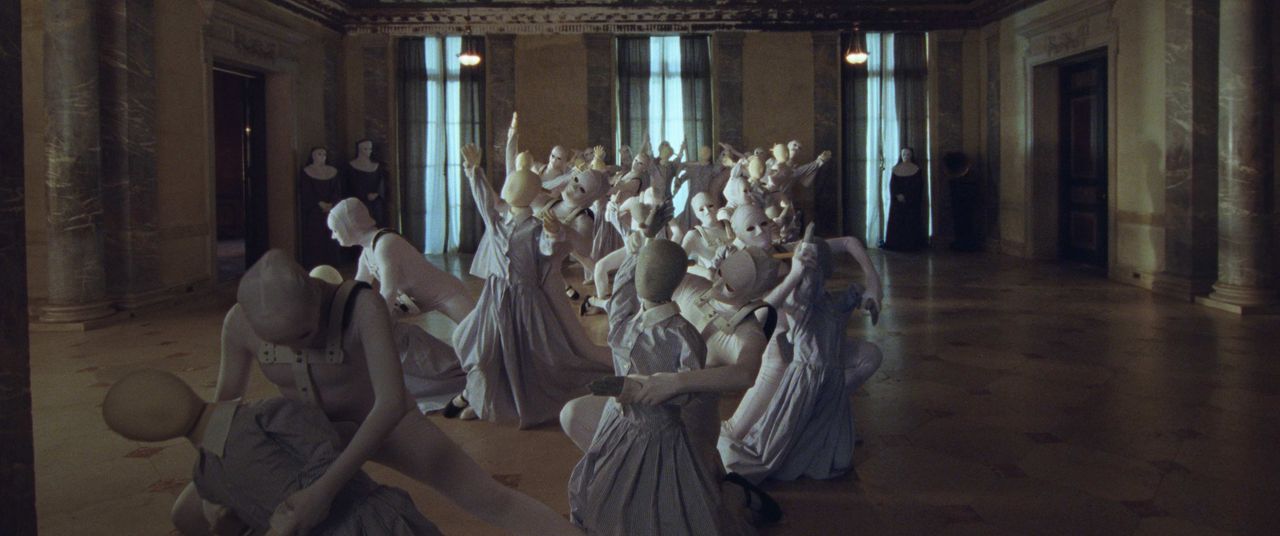
The visual language of Discipline emphasises restraint and precision. Composition plays a central role in shaping emotional tone. Scenes are framed with careful balance, creating images that feel both intimate and contemplative.
Lighting enhances the narrative’s atmosphere. Soft shadows and muted tones establish a sense of introspection, while moments of brightness introduce emotional contrast.
Fashion appears subtly within these compositions. Garments become part of the environment rather than focal point, reinforcing the film’s artistic integrity.
Themes of Identity and Self Control
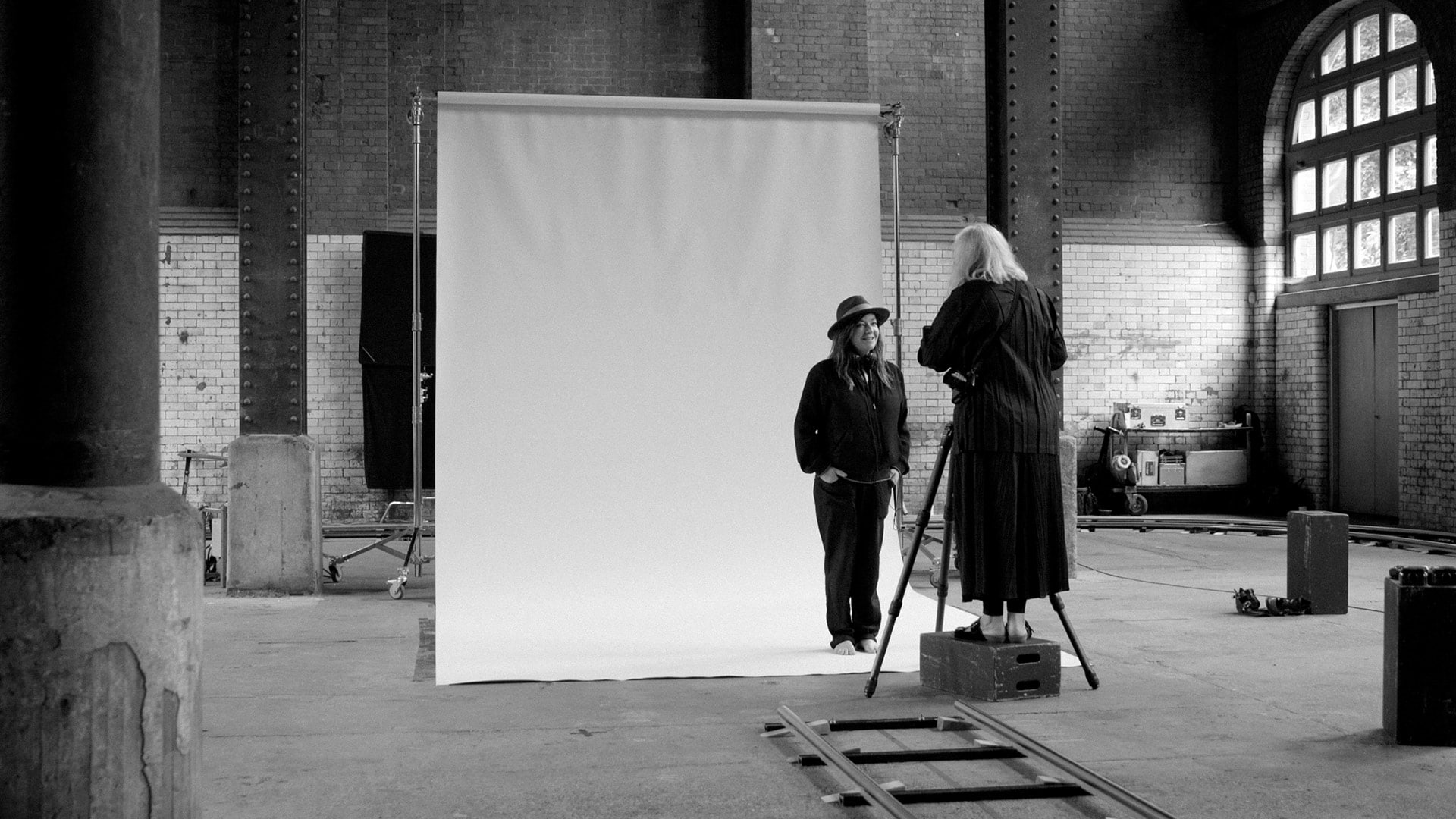
At its core, Discipline examines the relationship between identity and self control. The narrative suggests that discipline can function as both constraint and liberation.
Characters navigate personal boundaries while exploring the possibility of transformation. The film does not provide definitive answers. Instead, it leaves space for interpretation.
This openness reflects the broader philosophy of Women’s Tales. Each project encourages viewers to engage actively with its themes.
Fashion as Subtle Narrative Element
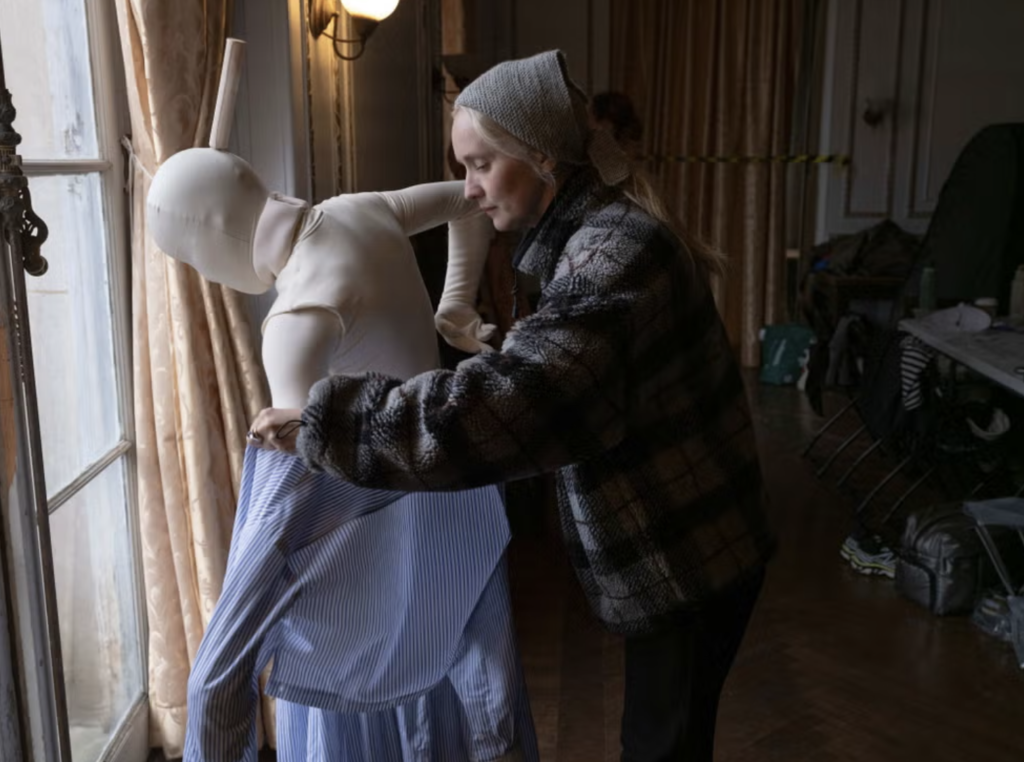
Although fashion remains integral to the project, it is never presented as spectacle. In Discipline, garments contribute to character development and visual atmosphere.
Textures, silhouettes and movement become narrative tools. Clothing reflects emotional states and situational context without overwhelming the film’s storytelling.
This subtle integration highlights Miu Miu’s commitment to creativity beyond conventional fashion presentation.
The Cultural Significance of Women’s Tales
Over the years, Women’s Tales has grown into an important platform within both fashion and cinema. By commissioning female directors, the project amplifies voices that have historically been underrepresented within the film industry.
The series has become a space where artistic experimentation is encouraged and narrative diversity celebrated.
With each new installment, Miu Miu reinforces its role as a cultural patron rather than solely a fashion house.
A Continuing Dialogue
The release of Discipline adds another chapter to this ongoing dialogue. The film reminds audiences that fashion can serve as a catalyst for artistic exploration rather than merely a commercial tool.
By inviting filmmakers to interpret themes of femininity through their own creative perspectives, Women’s Tales continues to challenge conventional boundaries between art forms.
The result is a project that feels both culturally relevant and artistically sincere.
Fashion, Film and the Power of Story
The enduring appeal of Women’s Tales lies in its ability to connect fashion with broader cultural conversations. Through cinema, garments acquire narrative depth and emotional resonance.
Discipline exemplifies this approach. Under Mona Fastvold’s direction, the film becomes an exploration of identity, creativity and personal transformation.
As the series continues to evolve, it demonstrates that fashion’s influence extends far beyond the runway. It can inspire storytelling that resonates across artistic disciplines.
In this latest installment, Miu Miu once again proves that creativity thrives where fashion and cinema intersect.
Written by: Linh Giang Nguyen
Published on: 6th March 2026