
Hidden deep within Cambodia’s Cardamom Rainforest, Shinta Mani Wild is not simply a resort; it is a revelation. Conceived by visionary designer Bill Bensley, this extraordinary camp redefines luxury through adventure, artistry, and a profound respect for the natural world. Every moment here is curated to surprise, delight, and ultimately, transform.
A JOURNEY INTO THE UNKNOWN
Arrival itself becomes part of the narrative. Guests may choose to arrive via a 400-metre zipline soaring above the rainforest canopy, an exhilarating entry that immediately signals a suspension of the ordinary. Boats and forest trails provide complete access into the 350-hectare preserve where the camp resides. In this remote sanctuary, the world beyond seems distant, and time feels newly defined.
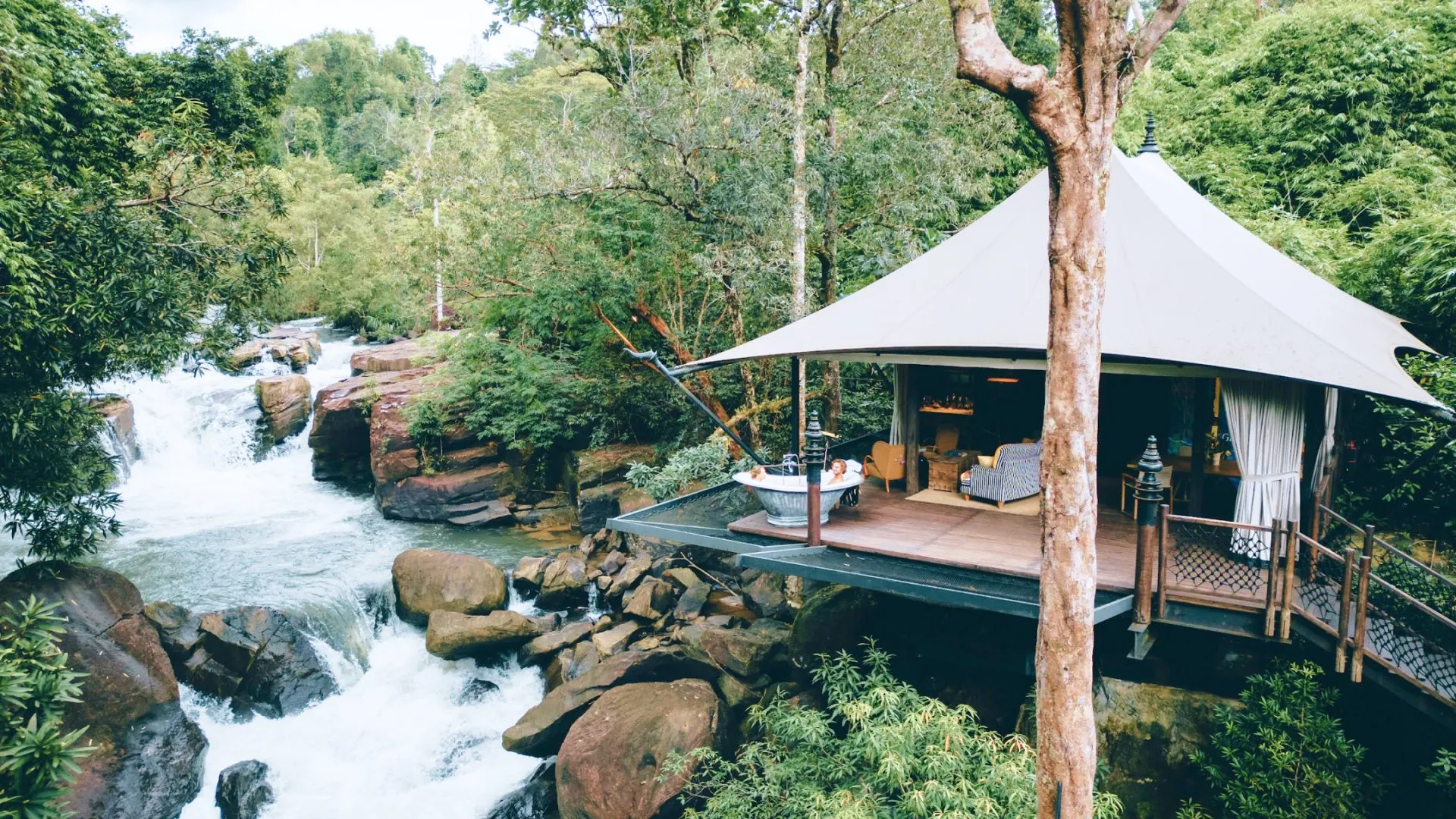
The tents are arranged along the swift flowing Tmor Rung River, some even perched above waterfalls. Each of the fifteen villas was designed by the renowned architect Bill Bensley with such precision that no two are alike. Materials are sourced locally, design is layered with personality, and outdoor baths overlook the jungle’s twilight rhythm. Between the river’s roar and the gibbon’s call, the guest becomes witness and participant in the wild.
BALANCING WILDERNESS AND LUXURY
Shinta Mani Wild refuses to compromise. One moment, guests might glide silently in a kayak through misty mangrove channels; the next, they might sink into a handcrafted tub listening to the jungle’s nocturne. The architecture does not dominate; it adapts, echoes and respects its surroundings. Natural light filters through timber beams, stone floors follow terrain, and open walls invite breeze and birdsong.
The lodge’s conservation ethos is woven throughout the experience. Guests may accompany rangers on anti-poaching patrols, explore hideouts once used for illicit activity or join expeditions through remote river networks. Every luxury here carries weight not just in materials but in meaning. Staying at Shinta Mani Wild feels like being a custodian of a fragile environment, not simply a visitor.
GASTRONOMY IN PLACE AND TIME
Dining becomes ritual, grounded in local bounty and creative intelligence. Chefs forage wild mushrooms, jungle herbs and freshwater crustaceans. Cocktails are made with native botanicals. A meal might start on the riverbank at sunset and conclude beside lanterns and waterfall echoes.
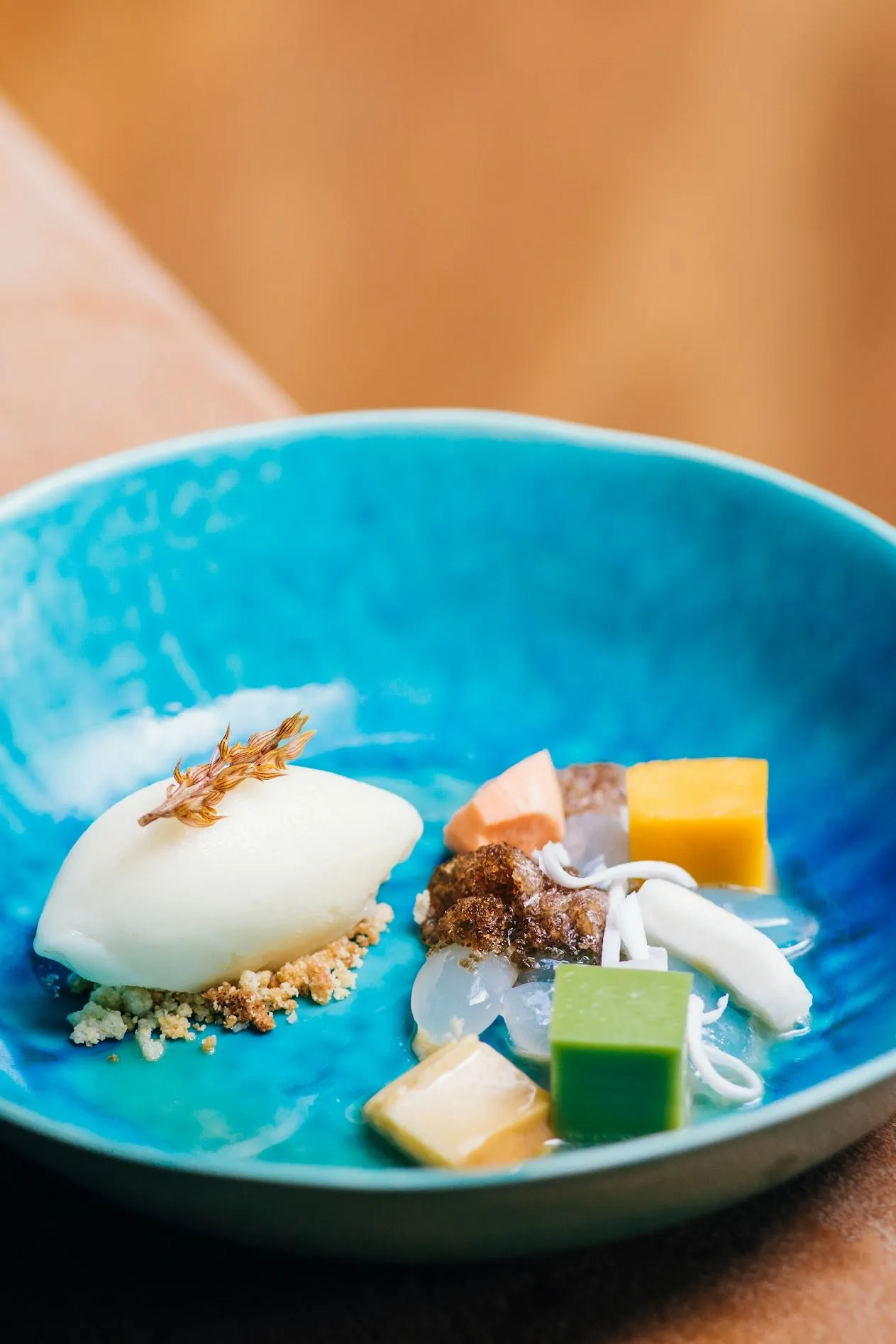
The kitchens shift seamlessly between Thai soul and worldly refinement. Elements of Cambodian spice, French technique and tasting journeys across the forest collaborate on a plate. Dessert may arrive as wild fruits paired with handcrafted ice creams, served as fireflies dance between frangipani trees. The experience reminds us that luxury isn’t always about gold cutlery, it is about context, taste and precision.
A WELLNESS RHYTHM ROOTED IN EARTH
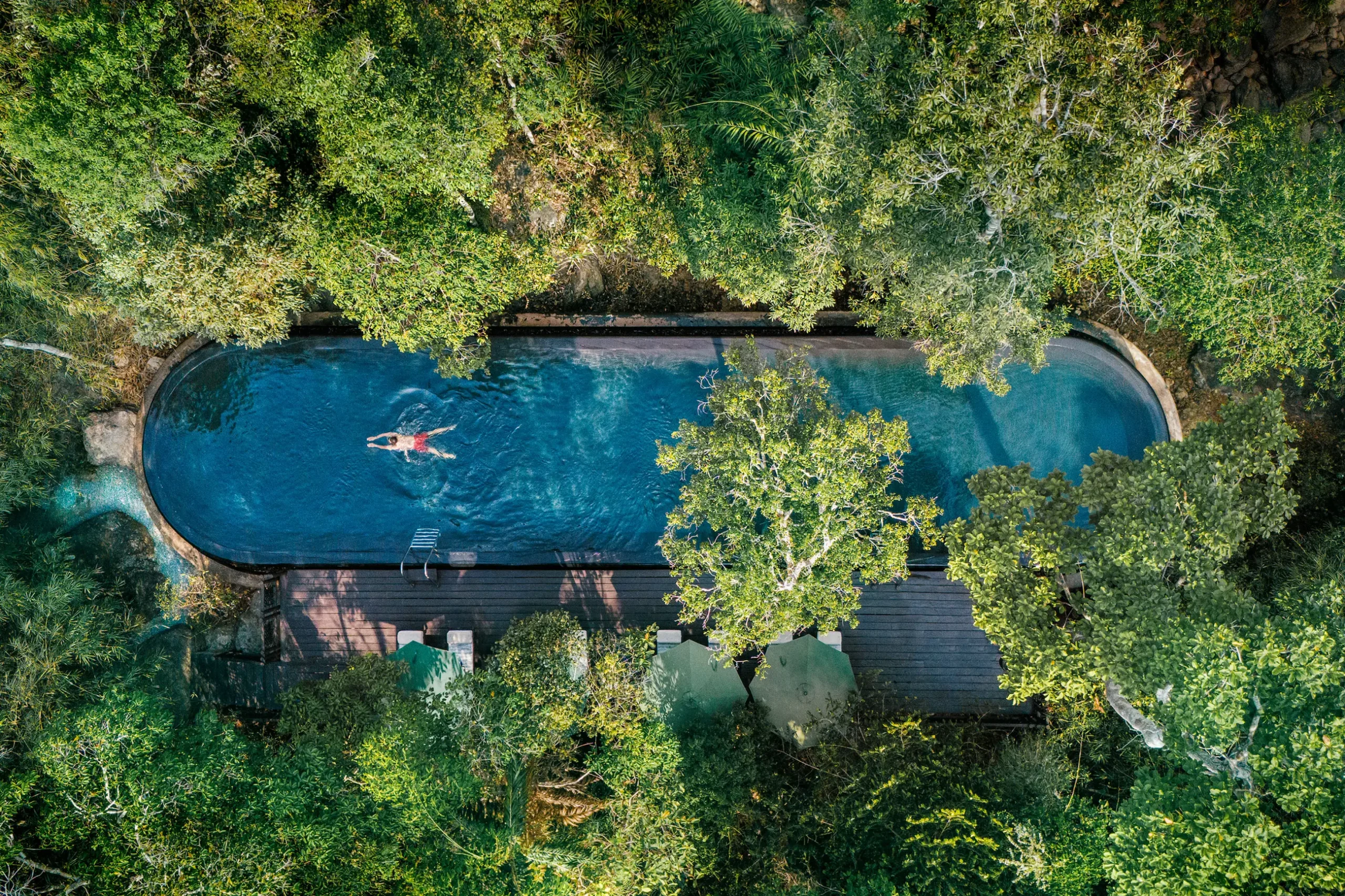
At the centre of Shinta Mani Wild’s appeal is its spa, designed to reflect the terrain it inhabits. Treatments are held under open pavilions by the river. Compressions, scrubs made from foraged ingredients, sound baths under banyan trees, all of it designed to align wellness with wilderness.
Guests start with forest inhalations and end with zero gravity stargazing. Yoga mats unfurl beside spray misting waterfalls, meditative walks thread through orchids that bloom only in the wet season, and massages follow the pulse of the river current. This isn’t wellness as trend, it is wellness as awareness.
EXPERIENCES THAT STAY WITH YOU
Adventure here is curated but spontaneous. Options range from mountain biking through rainforest trails, night walks to search for slow lorises, boat cruises across estuaries luminous with fireflies and perch life sighting sessions. Each guest’s butler, intimately familiar with terrain and desire, shapes the day without interruption.
A highlight may be the butterfly hatchery: indigenous species are nurtured and released into forest canopy openings. Guests may join the release and hold a box of butterflies as they float free into the dusk. It’s elegant, poetic, and emblematic of the stay luxury as stewardship.
THE ECOLOGICAL UNDERTONE
Shinta Mani Wild is not simply situated in a forest; it is part of its protection. The camp supports the work of local rangers and the Wildlife Alliance. Snares are removed, timber is seized, and endangered species are monitored. The lodge’s existence helps preserve thousands of hectares of jungle and a vast corridor for elephants, gibbons and clouded leopards. Here, guests stay in luxury but also for a purpose.
The design also follows low-impact lines. Construction began only after long years of environmental advocacy. Materials were brought by ox-cart to minimise disruption. Layouts were chosen to protect river flow and canopy coverage. A stay here means less about what you consume and more about how you participate.
FOR THE DISCERNING TRAVELLER
Shinta Mani Wild appeals to those seeking more than a holiday. It is for the curious who value nature as deeply as comfort. For couples marking momentous occasions, for creatives seeking renewal, for explorers craving solitude with substance, it offers a stay that is rare and fully realised.
Rooms vanish into their forest setting. Service is highly attentive yet discreet. Activities shift from heart-rate peaks to meditation stillness. The sense of being removed amplifies the sense of being alive. In that duality lies the appeal: wild and refined, remote and connected.
WHEN TIME STANDS STILL
At some point during a stay at Shinta Mani Wild, you might pause on your deck and notice how quiet it becomes. No city hum, no road roar, only river, breeze and green. Luxury filtered through nature, not added on to it.
Here, the simplest moments feel expansive: the first daylight dancing on water, the flutter of butterflies at dusk, the taste of a dish plucked two hours ago from the jungle. These are not extras they are essential.
LUXURY WITH A CONSCIENCE
Shinta Mani Wild proves that indulgence and integrity can coexist. It redefines what a luxury escape can be: not the largest resort, nor the most ostentatious, but the most considered. Each element from architecture to cuisine to conservation tells the same story: respect.
This is luxury without flamboyance. It asks for presence, not display. It offers memories that linger because they are rooted in place, purpose and authenticity.
In the end, staying at Shinta Mani Wild is not about ticking a bucket list. It is about reconnecting, to landscape, to stillness, to self. It is about recognising that the wild is not somewhere else, it is within reach, within you, when you allow yourself to step into it.
For Those Who Seek Adventure
For travellers drawn to places where nature, design and intention meet, Shinta Mani Wild invites further discovery. Its world is one best understood not through description but through presence, where each detail reveals another layer of the forest and of oneself. Those wishing to explore the camp’s philosophy, experiences and conservation work in greater depth may find additional insights on the Shinta Mani website.
Discover more: https://shintamani.com/wild/
Written By: Lydia Kelly
Published: 30th October 2025