
At the latest Paris Haute Couture week, Schiaparelli did not simply present clothing. It presented a story about memory, mythology and ownership. By recreating jewels stolen from the Louvre and transforming them into garments, the house shifted fashion from product into narrative object. The runway became less about dressing the body and more about dressing history itself.
Fashion As Historical Reconstruction
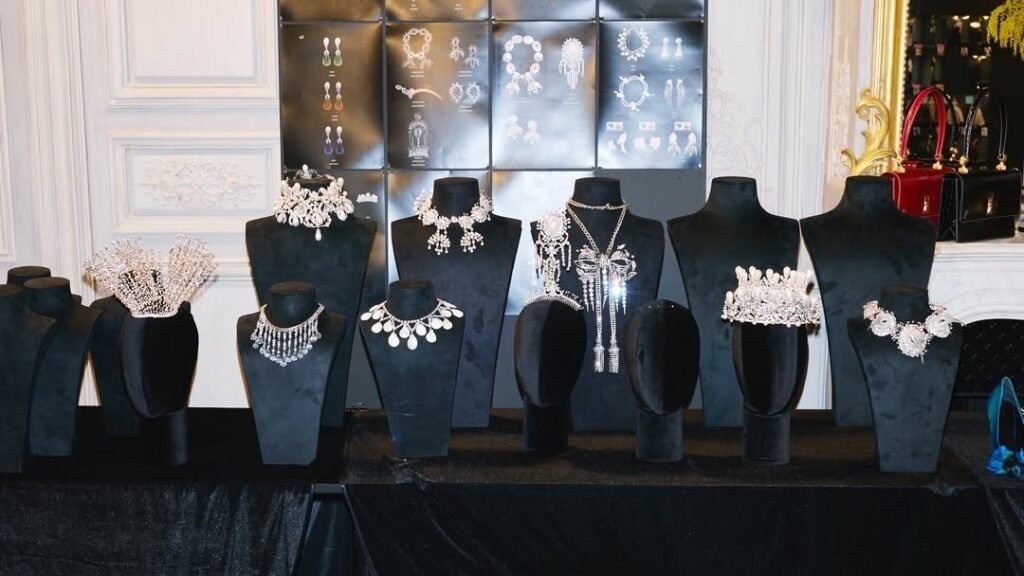
When Schiaparelli reproduced missing crown jewels in gold embroidery and sculpted metalwork, the atelier performed an unusual cultural act. Couture temporarily restored objects that could no longer be viewed in reality. Instead of displaying replicas in museum vitrines, the brand allowed history to move again through living bodies. This motion changed the meaning of preservation. The garments were not replacements but interpretations, turning absence into spectacle and loss into creative material.
The gesture reframed luxury fashion as an imaginative archive. Museums protect physical artefacts, yet they freeze them in time. Couture interprets artefacts and releases them back into circulation as ideas. Viewers do not simply learn what the jewels looked like. They experience how the jewels might feel symbolically in the present moment. The runway therefore becomes a site of cultural restoration where memory survives through reinvention rather than conservation.
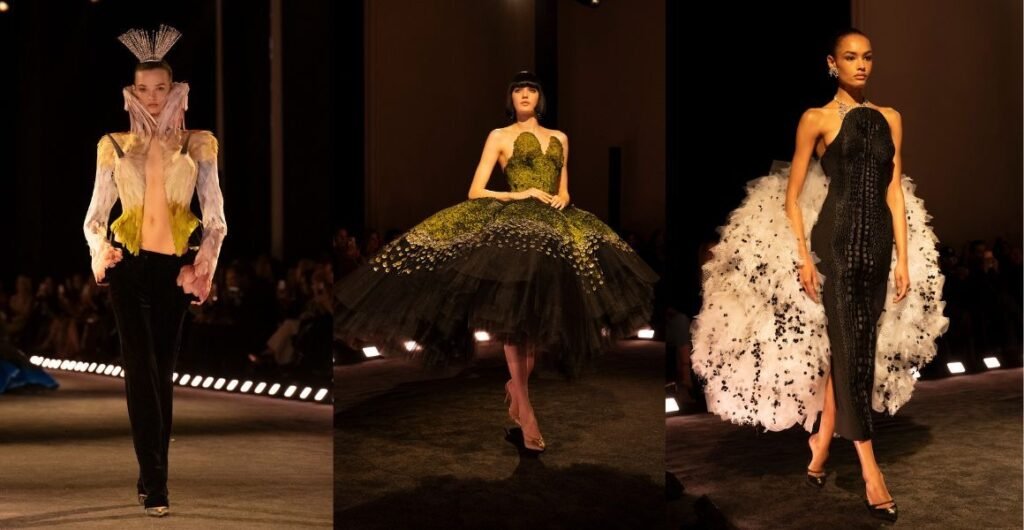
The Runaway As Narrative Theatre
The collection functioned less like a seasonal presentation and more like staged drama. Sculpted silhouettes, anatomical ornaments and monumental jewellery operated as characters rather than accessories. Each look communicated a specific idea about belief, value or identity, encouraging the audience to read images rather than evaluate outfits. The models appeared not as neutral mannequins but as carriers of symbolic roles within a visual script authored by the house.
This theatrical approach reflects a broader transformation in couture. Traditional runway logic prioritised wearability and craftsmanship visibility. Now narrative coherence determines impact. Viewers remember a story before they remember a technique. The garments act as costumes for an imagined world that exists only during the show yet persists through photography and discussion. Fashion therefore occupies territory once held by cinema and stage design, functioning as visual storytelling delivered through clothing.
Surrealism As A Strategic Identity
Since its founding, the maison has maintained a dialogue with surrealism rather than trend cycles. Contemporary collections expand this philosophy instead of modernising away from it. Gold body parts, displaced symbols and impossible proportions create a recognisable visual language that distinguishes the brand instantly without reliance on logos. The identity depends on interpretation rather than branding marks.
This consistency builds authority because audiences learn how to read the garments. Ownership becomes participation in a worldview. Clients are not buying a dress alone but aligning with an aesthetic philosophy that values imagination over minimalism. In a market saturated with subtle luxury, exaggerated symbolism creates memorability. The clothes resemble artefacts from a fictional culture, allowing the brand to compete through narrative depth instead of seasonal novelty.
Couture As Communication Infrastructure
Haute couture rarely produces significant direct profit, yet it generates enormous visibility. A sculptural look photographed once circulates globally within minutes, functioning as advertising without appearing promotional. The collection becomes a content engine that fuels editorial coverage, social media interpretation and cultural commentary. Each garment acts as a message designed for discussion rather than immediate purchase.
This strategy reflects the economics of contemporary luxury. Accessories and beauty products provide revenue while couture constructs desirability. The more interpretive the imagery, the longer it remains relevant in conversation. Schiaparelli demonstrates that modern prestige relies on cultural presence rather than simple exclusivity. By prioritising myth creation, the house converts attention into value and storytelling into commercial momentum.
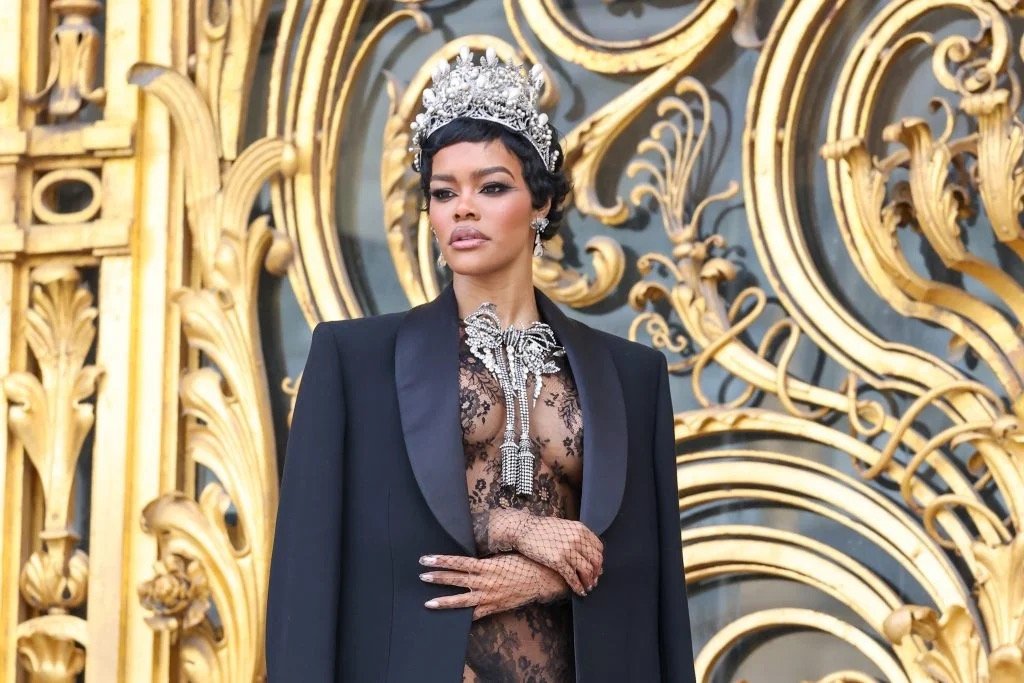
The recreation of stolen jewels served as a declaration of purpose. Schiaparelli treats couture as storytelling capable of preserving memory, staging theatre and building mythology. The garments may never enter ordinary wardrobes, yet they enter collective imagination. In doing so, the brand shows that the future of luxury lies not in ownership of objects but in ownership of meaning.
Written By: Mia Quisumbing
Published On: 19th February