
Luxury fashion has always depended on storytelling. In recent years, one house has turned that storytelling into a physical destination. Through travelling retrospectives and permanent spaces, Dior has transformed exhibitions into a core business strategy rather than a cultural side project. The museum is no longer simply about heritage preservation. For Dior it functions as marketing, brand education, and client acquisition all at once.
A Brand Built to Be Exhibited
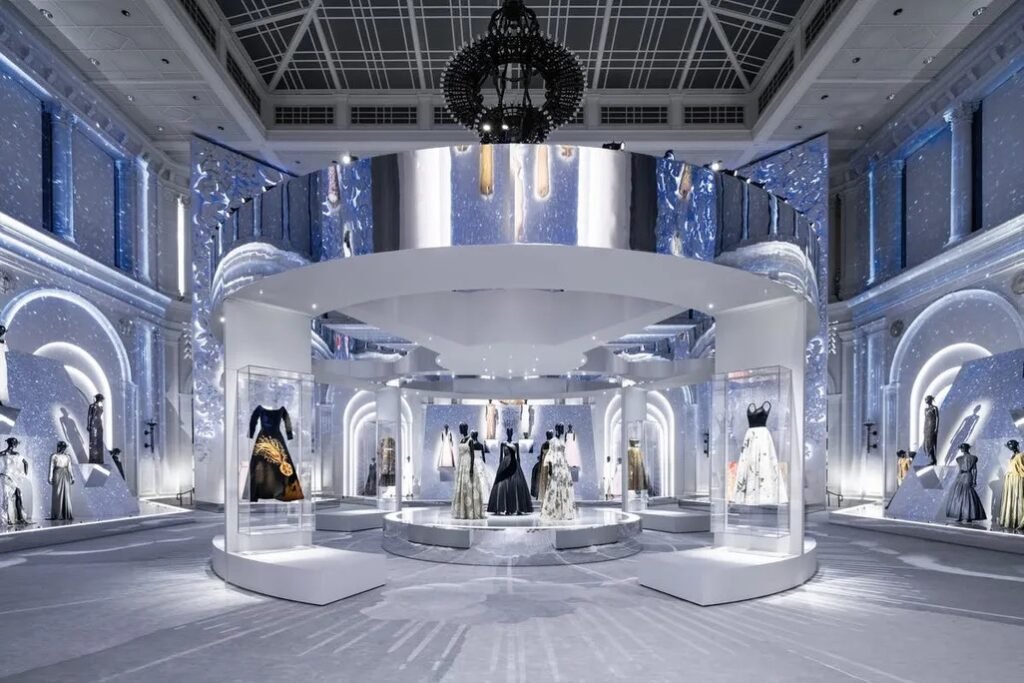
Since the “New Look” of 1947, Dior has produced clothing designed to communicate an idea of femininity, not just seasonal trends. That makes the archive unusually suitable for museums. Silhouettes, embroidery, and atelier techniques read clearly even outside a retail setting. Exhibitions highlight this continuity. Visitors do not see random garments arranged chronologically. They move through themes such as gardens, travel, craftsmanship, and the body. Each room functions like a visual essay explaining why the brand exists.
Instead of selling products directly, the exhibition sells meaning. This approach matters because luxury value depends on perception more than utility. A dress inside a boutique is merchandise. The same dress behind glass becomes cultural artefact. The museum setting elevates price justification without mentioning price at all. In effect, Dior converts fashion into heritage before it becomes vintage.
Museums as Global Marketing
Traditional advertising reaches a wide audience but rarely commands long attention. Museum visitors spend hours inside a brand narrative voluntarily. The difference is powerful. A person who walks through an exhibition experiences immersion rather than persuasion. Dior has staged major exhibitions in Paris, London, New York, Tokyo, Shanghai, Seoul and beyond. Each location adapts the presentation to local culture while keeping the same core mythology.
This creates consistency across continents without repetitive campaigns. The exhibition format also solves a problem luxury brands face in the digital era. Social media compresses attention spans and flattens hierarchy between brands. A museum restores hierarchy. Visitors photograph everything and share it online. The exhibition therefore becomes both offline prestige and online promotion simultaneously. Instead of influencers wearing the clothes, the audience itself spreads the imagery. The museum becomes marketing that people thank the brand for.
Education Creating Client Connections
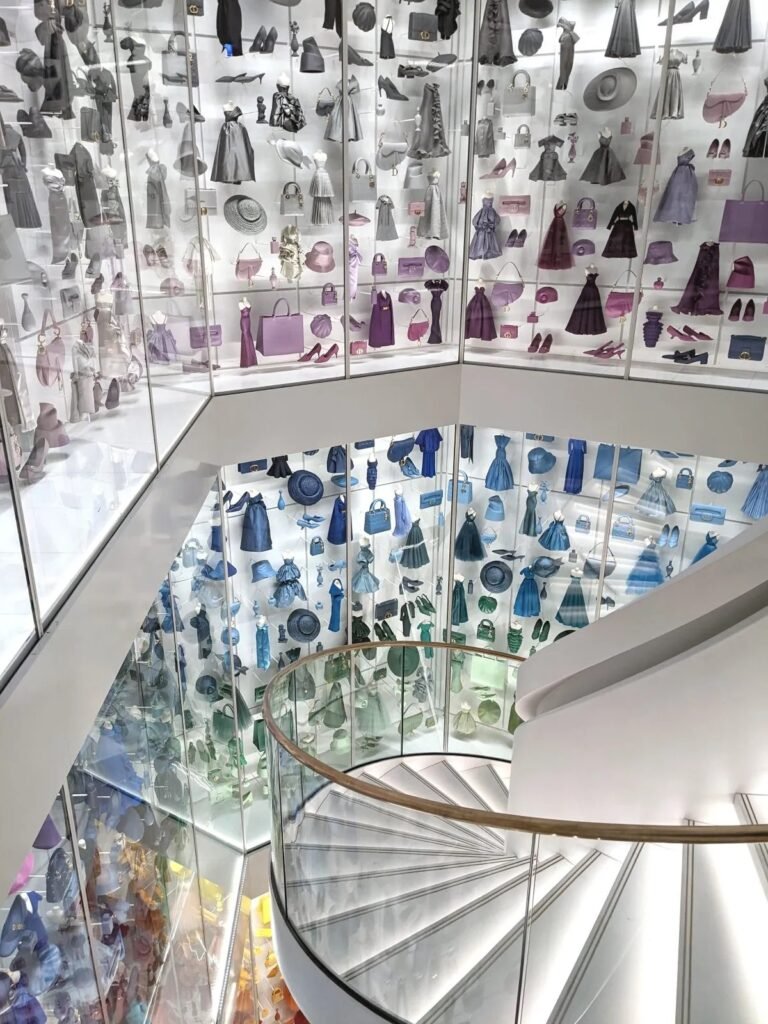
Many attendees cannot yet afford couture. That is not a failure of the strategy. It is the strategy. Dior uses exhibitions to introduce younger audiences to the codes long before purchase is possible. A visitor learns silhouettes, symbols, and the importance of the atelier. Years later when they buy fragrance, leather goods, or ready to wear, the decision feels informed rather than aspirational.
This builds unusually strong loyalty. Customers do not feel they discovered Dior through advertising. They feel they understand it. Understanding reduces price resistance. Knowledge transforms a purchase into participation. Museums therefore function as a long term sales funnel. Entry tickets are inexpensive relative to luxury goods, but the educational value prepares future spending across decades.
Commerce Hidden Inside Culture
Although exhibitions appear non commercial, they subtly drive revenue. After visiting, guests often enter boutiques nearby. Conversion rates tend to rise because the emotional context has changed. The museum reframes products. A handbag resembles an extension of a creative tradition rather than a seasonal accessory.
Buyers rationalise higher spending because they connect the item to craftsmanship they have just witnessed. The strategy also protects brand value during economic downturns. When consumers cut discretionary purchases, cultural legitimacy sustains desirability. In this sense the exhibition operates like insurance for luxury positioning. It strengthens reputation independent of sales cycles.
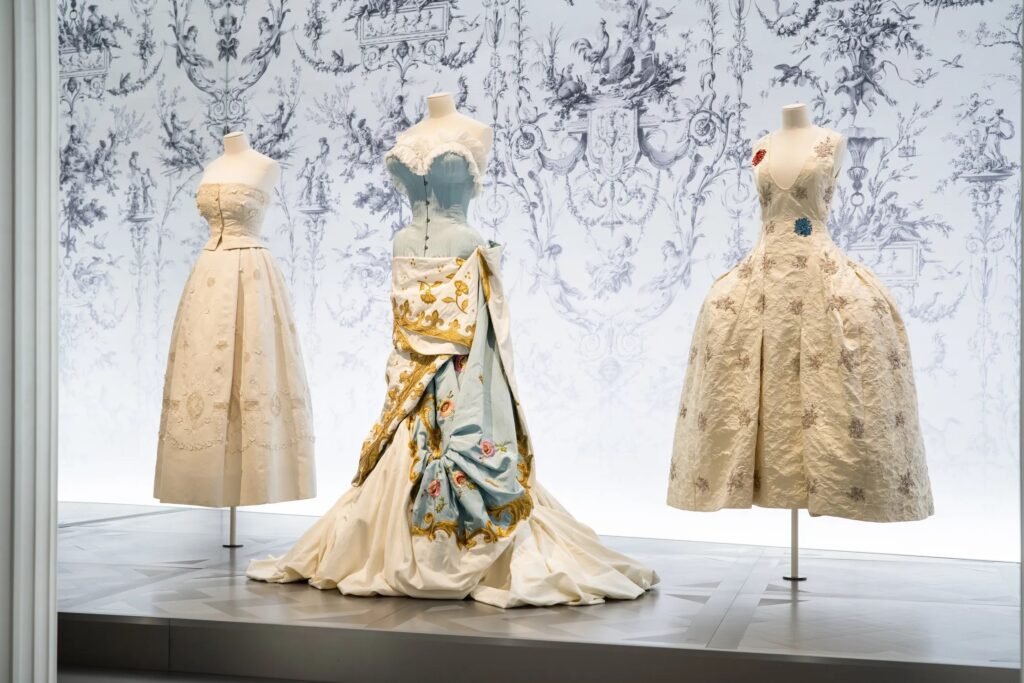
Dior’s museum program shows how luxury has shifted from selling objects to curating experiences. The exhibition is not separate from retail. It is the foundation that makes retail possible. By turning history into an environment visitors can physically enter, the brand converts admiration into future demand.
Fashion once borrowed authority from art museums. Dior now demonstrates that a fashion house can become its own museum and still remain commercial.
Written By: Mia Quisumbing
Published On: 18th February 2026