
Nissan is preparing to make the Z sports car significantly harder to find on dealer lots. Beginning with the 2027 model year, the automaker will adopt a made to order production strategy. The move aims to better align supply with demand and prevent excess inventory, even if it means far fewer cars available for immediate purchase.
A New Chapter for the Nissan Z
The iconic Nissan Z is entering a new phase. According to reports confirmed by Nissan, the company will shift the Z to a made to order production model starting with the 2027 model year. That means buyers will likely need to place specific orders rather than browse well stocked dealership lots.
The change could dramatically reduce the number of Z models sitting on showroom floors. Instead of dozens of units spread across regional inventories, some dealers may only have a handful of cars available, potentially in the low single digits. For enthusiasts used to spotting the coupe on display, the Z may soon feel far more exclusive.
The report was first highlighted by The Drive, which cited an image from a recent dealership presentation that surfaced on an enthusiast forum. The slide outlined upcoming updates for the 2027 Z and included a pointed warning that production would be scarce and the model limited.
What Changes for 2027
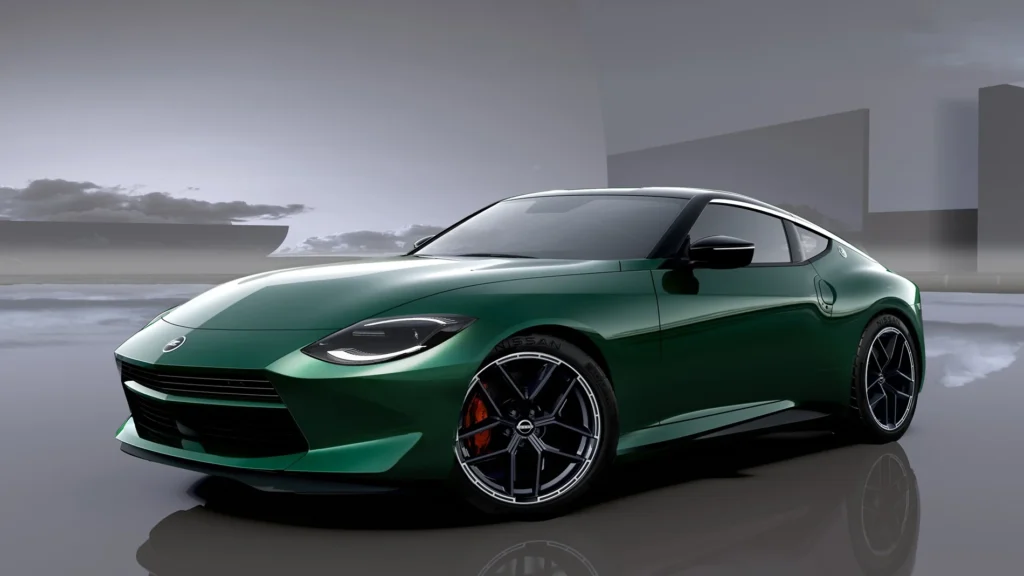
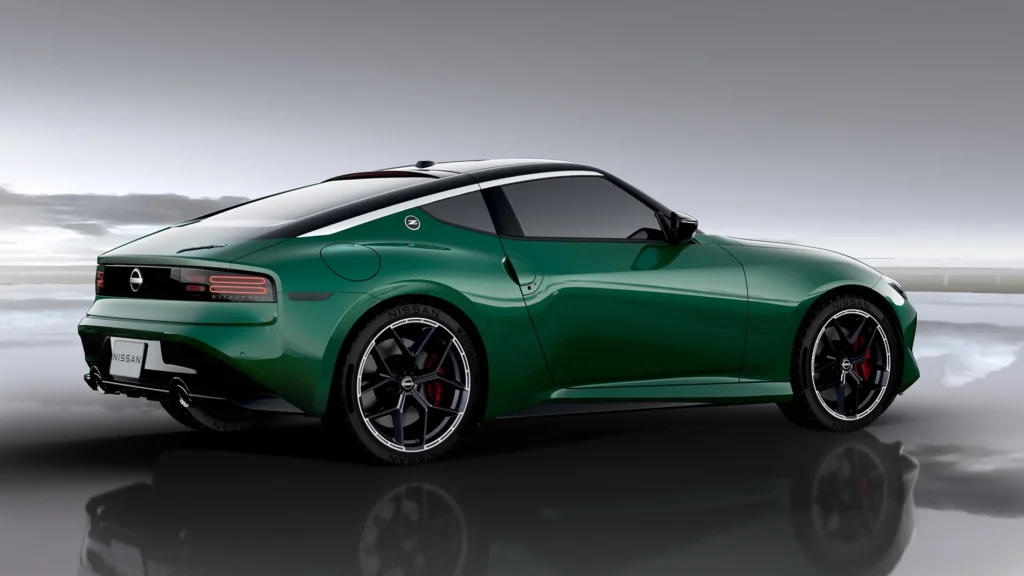
Beyond the production shift, the 2027 Z will receive several updates aimed at keeping the sports car fresh and competitive. Among the most notable changes are revised bumpers for the Sport trim, a metallic Shinkai Green finish for the Performance variant, and a major addition for purists.
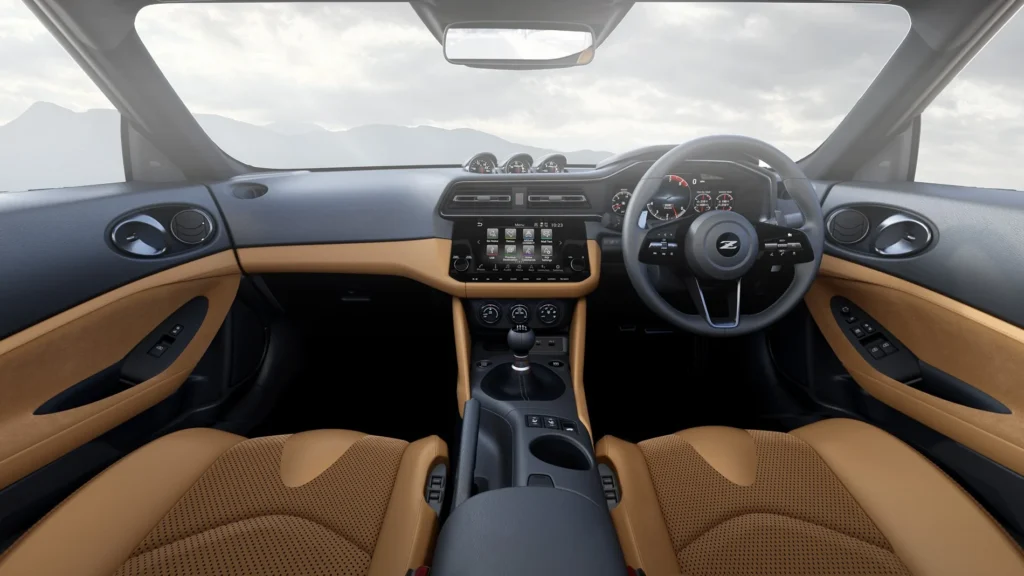
The 2027 Nissan Z Nismo will be available with a manual transmission. For driving enthusiasts who value maximum engagement, that announcement alone is significant. Manual gearboxes have become increasingly rare in modern performance cars, especially in high performance trims.
The combination of visual updates and the expanded availability of a manual option suggests Nissan is doubling down on the enthusiast appeal of the Z. However, the excitement surrounding new features is tempered by the reality that far fewer units may be produced.
From Rumor to Confirmation
Skepticism often surrounds leaks from enthusiast forums, even when accompanied by photographic evidence. In this case, however, the speculation proved accurate. A former Nissan executive had previously hinted that the Z could transition to a made to order model in an earlier interview. When contacted for comment, Nissan confirmed that it is indeed moving toward a more tailored production approach.
In a statement, the automaker explained that the shift is designed to better align production with actual customer demand. Rather than building cars for inventory and hoping they sell, Nissan intends to produce vehicles that reflect specific buyer preferences.
The company emphasized that the strategy supports sustainable inventory levels and ensures that each Z meets the expectations of its enthusiast audience. Nissan also stated that it will work closely with its dealer network to provide guidance as it approaches the 2027 model year.
Inventory Challenges in Recent Years
The decision to tighten production follows uneven sales performance over the past two years. In 2024, Nissan sold just 3,164 examples of the Z during the calendar year. That relatively modest figure raised questions about demand for the reborn sports coupe.
Sales improved significantly in 2025, climbing to 5,487 units. At first glance, that represents a dramatic year over year increase. However, many of those vehicles were leftover 2024 models sold at discounted prices. In other words, part of the sales bump was driven by incentives rather than fresh demand for newly built cars.
Building more vehicles than customers are ready to purchase can create costly challenges. Excess inventory ties up capital, pressures dealerships, and often forces automakers to offer discounts that erode profit margins. For a niche sports car like the Z, maintaining the right balance between supply and demand is particularly important.
Protecting the Brand and the Bottom Line
By adopting a made to order approach, Nissan is attempting to protect both its brand image and financial performance. Scarcity can enhance desirability, especially for performance oriented models. If buyers know that production is limited and cars must be ordered in advance, the Z could regain some of the exclusivity associated with classic sports cars.
At the same time, the strategy reduces the risk of overproduction. Instead of flooding dealerships with unsold coupes, Nissan can build cars that already have buyers attached. This should help stabilize transaction prices and minimize the need for steep incentives.
The move reflects a broader shift within the automotive industry toward more demand driven manufacturing. Advances in supply chain management and digital ordering systems have made it easier for companies to match production with real time customer interest. For lower volume models, the approach can be especially effective.
What It Means for Buyers
For prospective owners, the experience of purchasing a Z may change considerably. Instead of negotiating over cars already on the lot, buyers will likely configure their preferred specification and wait for delivery. That process can add weeks or even months to the timeline, depending on production schedules.
On the positive side, customers may have greater control over the exact features and options they want. With the 2027 updates, that could include selecting the new exterior color or opting for the manual transmission in the Nismo variant.
However, spontaneity may become rare. Walking into a dealership and driving home in a Z the same day could soon be an exception rather than the norm. For collectors and enthusiasts, that scarcity may enhance the car’s appeal. For casual buyers, it may introduce additional friction.
Delivering the Purest Z Experience
Nissan’s public messaging frames the shift as a commitment to delivering the purest Z experience to those who value it most. By focusing on enthusiast driven demand and limiting surplus inventory, the company hopes to strengthen the model’s long term viability.
The Z has long represented Nissan’s performance heritage, tracing its lineage back decades. Ensuring that each new generation resonates with dedicated fans is crucial, particularly as the broader industry pivots toward electrification and crossovers.
Whether the made to order model succeeds will depend on how well Nissan balances exclusivity with accessibility. If production becomes too limited, potential buyers could turn to competitors. If managed carefully, however, the strategy could restore a sense of specialness to the Z badge.
As the 2027 model year approaches, one thing is clear. The Nissan Z is poised to become rarer, more curated, and potentially more coveted than in recent years. For enthusiasts willing to plan ahead, that may be part of the allure.
Written By: Lydia Kelly
Published: 3rd March 2026