
Burberry delivered a solid performance in the third quarter of fiscal 2026, reporting growth in comparable retail sales despite ongoing challenges in the global luxury market. The results reflect improving revenue quality, stronger engagement across product categories, and renewed momentum in key regions. Executives and analysts alike see the quarter as an encouraging sign that the company’s strategic reset is beginning to resonate with customers.
Steady Growth in a Challenging Market
Burberry reported comparable retail sales growth of 3 percent year on year on a constant currency basis in the third quarter of fiscal 2026, which ended on December 27, 2025. Comparable retail revenue reached £665 million during the period, marking a sequential improvement compared to earlier quarters. The performance comes at a time when many luxury brands continue to navigate uneven demand, shifting tourist flows, and cautious consumer spending.
Alongside the quarterly results, Burberry confirmed its full year outlook. The company expects revenues to decline between 0 percent and 3 percent for the fiscal year, while comparable retail sales growth is forecast to range from a decline of 1 percent to growth of 4 percent. Management emphasized that while headline growth remains modest, the underlying quality of revenue has improved across channels and regions.
This improvement has been driven in part by a return to a shorter and shallower markdown strategy. By reducing reliance on deep discounts, Burberry has focused on protecting brand equity and driving healthier sell through, a shift that management views as critical to long term recovery.

Progress Under the Burberry Forward Strategy
Chief executive officer Joshua Schulman credited the results to continued execution of the Burberry Forward strategy, which has been guiding the company’s turnaround efforts. During the festive quarter, Burberry delivered sequential improvement in comparable sales growth while also strengthening revenue quality across geographies.
Schulman noted that the results are particularly meaningful as the brand approaches its 170 year anniversary. He described the quarter as reaffirming the enduring strength of Burberry’s iconic positioning and expressed confidence in the path ahead. The strategy has centered on reconnecting with core customers, refining pricing architecture, and sharpening focus on the brand’s most distinctive product categories.
The company has also emphasized discipline in merchandising and inventory management. This approach has supported stronger full price selling and improved margins, even as overall growth remains within a cautious range.
Outerwear and Scarves Lead Performance
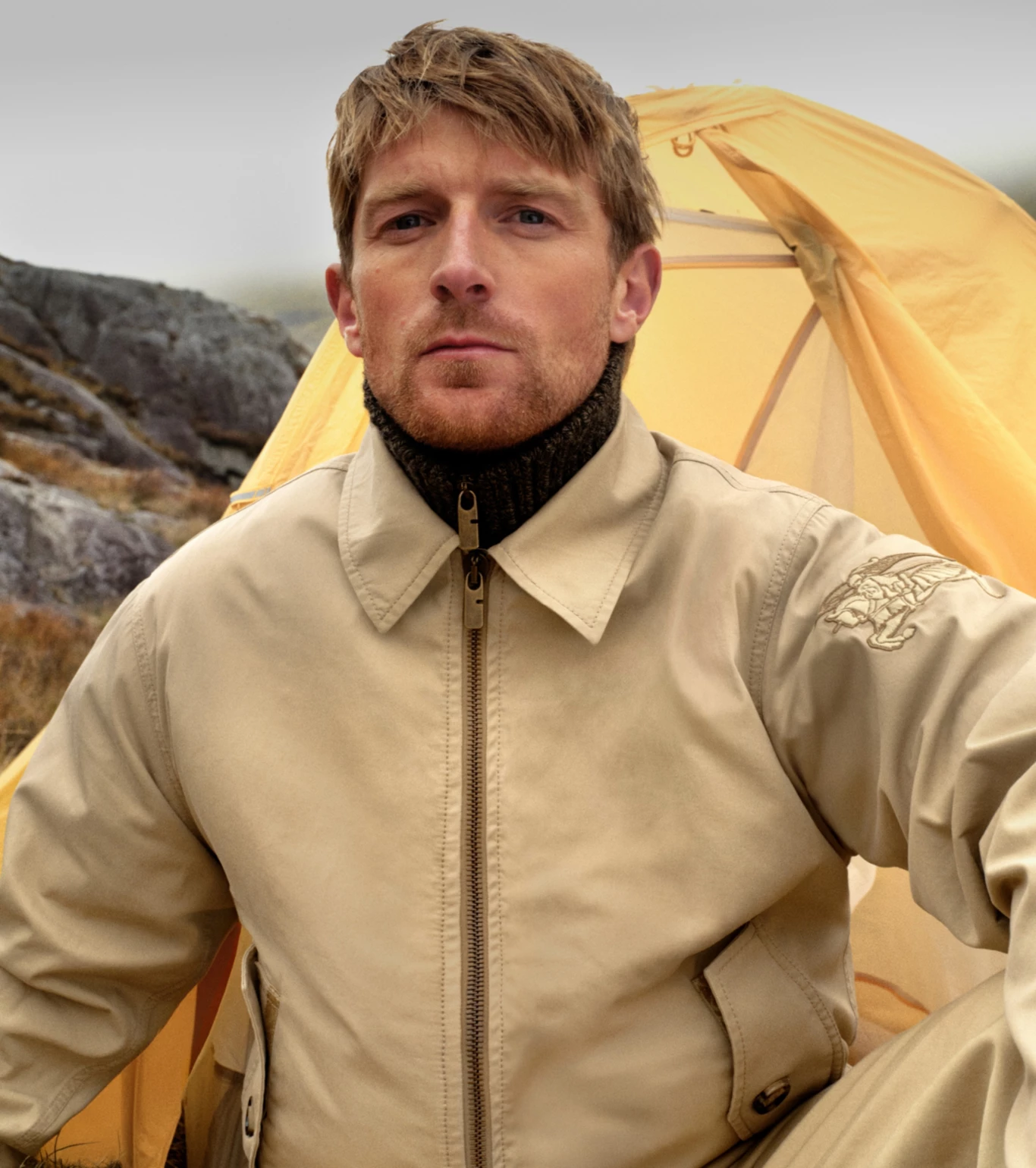
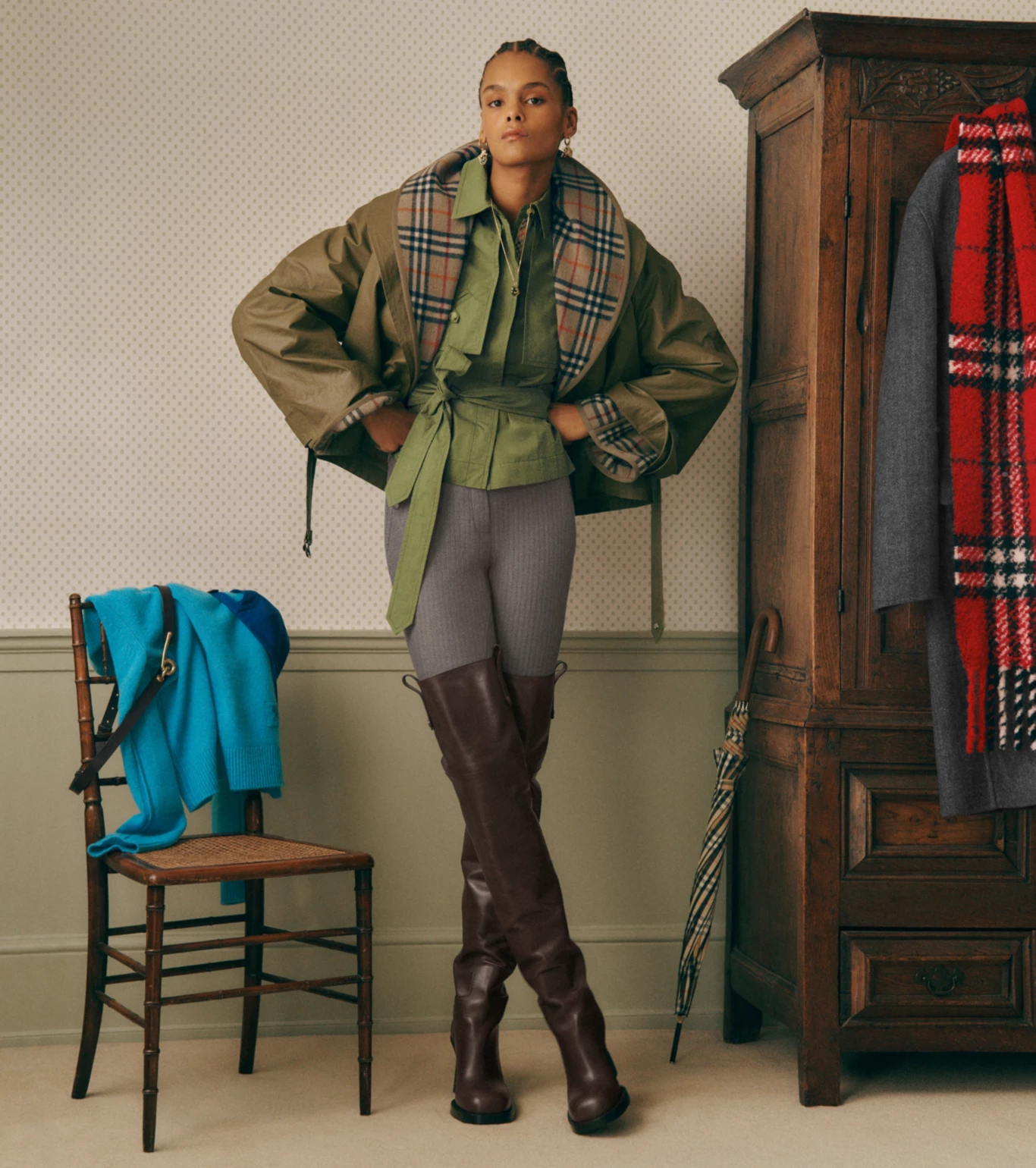
Hero categories continued to be a major driver of growth during the quarter. Outerwear and scarves both posted double digit growth, outperforming other segments on the sales floor. These categories are closely tied to Burberry’s heritage and remain central to its brand identity.
To support performance in scarves, Burberry invested in enhanced visual merchandising across its retail network. The company launched 190 Scarf Bars, with plans to reach 200 by the end of the calendar year. These dedicated in store spaces are designed to showcase the breadth of the scarf offering and encourage customer interaction.
Schulman highlighted that scarves have proven particularly effective in attracting younger customers, who often view them as an accessible entry point into the brand. This dynamic has helped Burberry engage new demographics while reinforcing its core aesthetic.
Expanding Momentum in Accessories and Ready to Wear
Beyond outerwear and scarves, Burberry is beginning to see encouraging signs in accessories and ready to wear. Momentum has started to build in handbags and apparel, with knitwear standing out during the festive period.
Schulman pointed to the success of the Equestrian Knight cashmere sweater as an example of how strength in outerwear is extending into adjacent categories. The performance of this product underscores the potential for Burberry to leverage its heritage motifs across a broader range of merchandise.
This expansion is significant for the company’s longer term ambitions. A more balanced category mix could help reduce reliance on seasonal outerwear sales and support more consistent revenue throughout the year.
China and Asia Pacific Drive Regional Growth
Greater China emerged as the best performing region in the third quarter, with comparable store sales up 6 percent. The growth was driven primarily by local spending, underscoring the continued importance of domestic Chinese consumers to Burberry’s business. Greater China accounts for roughly one third of the company’s overall revenue.
Schulman emphasized that China has remained a core focus for Burberry, even during periods of volatility. As the company moves into the second year of the Burberry Forward strategy, management believes its teams are connecting more effectively with customers across age groups and demographics, both in major cities and in secondary markets.
Sales across the rest of Asia Pacific rose 5 percent, supported by tourist demand and strong local spending in South Korea. The region also saw a double digit increase in Gen Z customers in China and Asia Pacific, highlighting Burberry’s growing appeal among younger luxury consumers.
Mixed Performance in the Americas and EMEIA
In the Americas, comparable store sales increased by 2 percent, driven by growth among new and local customers. This performance reflects steady engagement in North America, even as broader luxury demand remains selective.
By contrast, sales in the EMEIA region were flat during the quarter. Increased local spending was offset by declines in tourist purchases, particularly in parts of the Middle East. The uneven performance highlights the ongoing impact of shifting travel patterns on luxury retail in Europe and surrounding markets.
Analyst Reaction and Outlook
Analysts responded positively to Burberry’s third quarter results. Luca Solca, luxury goods analyst at Bernstein, described the performance as a positive surprise. He noted that the results came despite a 3 percent headwind related to the non repeat of significant markdowns from the prior year.
Looking ahead, Burberry pointed to strong customer response to its spring 2026 collection. According to Solca, this response has already driven meaningful improvements in sell through, offering further encouragement as the company enters the next phase of its turnaround.
Wholesale Strategy and North America
During the earnings call, Schulman addressed questions about the restructuring at Saks and its potential impact on Burberry. Wholesale accounts for approximately 12 percent of the company’s business, but management views the channel as strategically important, particularly during a period of transformation.
Schulman emphasized the role of wholesale partners such as Saks Fifth Avenue, Neiman Marcus, and Bergdorf Goodman in introducing customers to the brand. Drawing on his previous experience as president of Bergdorf Goodman, he expressed confidence in the new leadership across the North American luxury sector and suggested that a smaller but stronger wholesale landscape could ultimately benefit brands like Burberry.
A Measured but Encouraging Step Forward
Burberry’s third quarter results suggest that the company is making tangible progress under its current strategy. While growth remains measured and the full year outlook reflects ongoing caution, improvements in revenue quality, category performance, and regional engagement point to a business that is stabilizing.
As Burberry approaches a major milestone in its history, management appears focused on balancing heritage with modern relevance. If momentum in core categories continues to extend into accessories and ready to wear, and if engagement with younger consumers deepens across key markets, the brand may be well positioned to build on the gains seen in the third quarter.
Written By: Lydia Kelly
Published: 27th January 2026