
In an era where fashion often moves at relentless speed, Schiaparelli stands apart as a house devoted to imagination, symbolism and artistic daring. Rooted in surrealism yet unmistakably contemporary, Schiaparelli represents a rare space where fashion becomes sculpture, narrative and emotion. Its creations resist simplicity, inviting viewers to pause, interpret and feel.
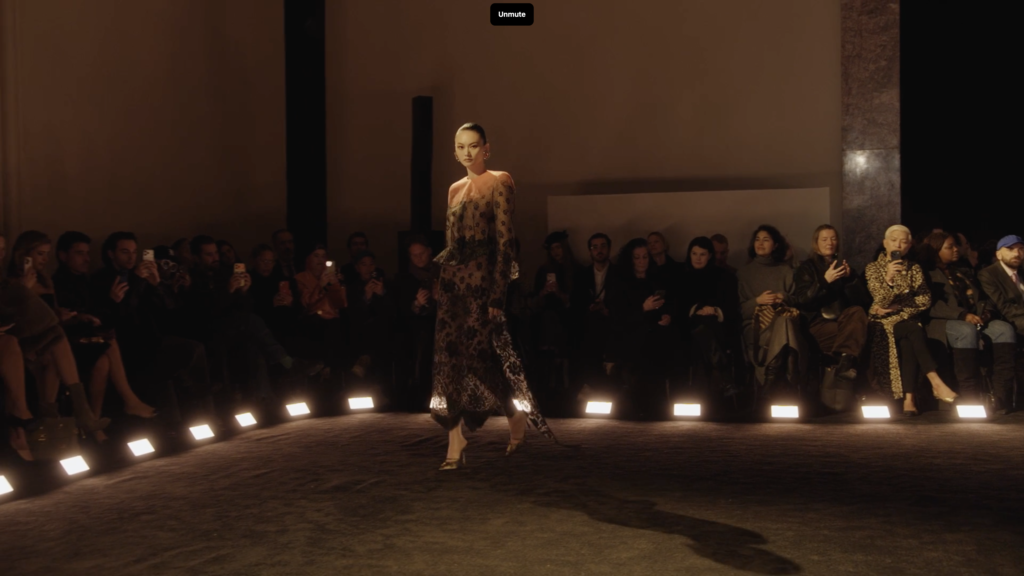
The modern Schiaparelli is not concerned with trends. It exists in dialogue with art history, mythology and the human form, creating couture that challenges perception while remaining exquisitely crafted. This balance between fantasy and discipline defines the house today, reaffirming its place at the pinnacle of contemporary couture.
A Legacy Born from Surrealism
Founded by Elsa Schiaparelli, the house emerged in early twentieth century Paris as a radical counterpoint to conventional elegance. Elsa Schiaparelli viewed fashion as a form of artistic expression, collaborating with surrealist artists and embracing the unexpected. Her designs challenged established norms, using humour, illusion and symbolism to provoke thought.
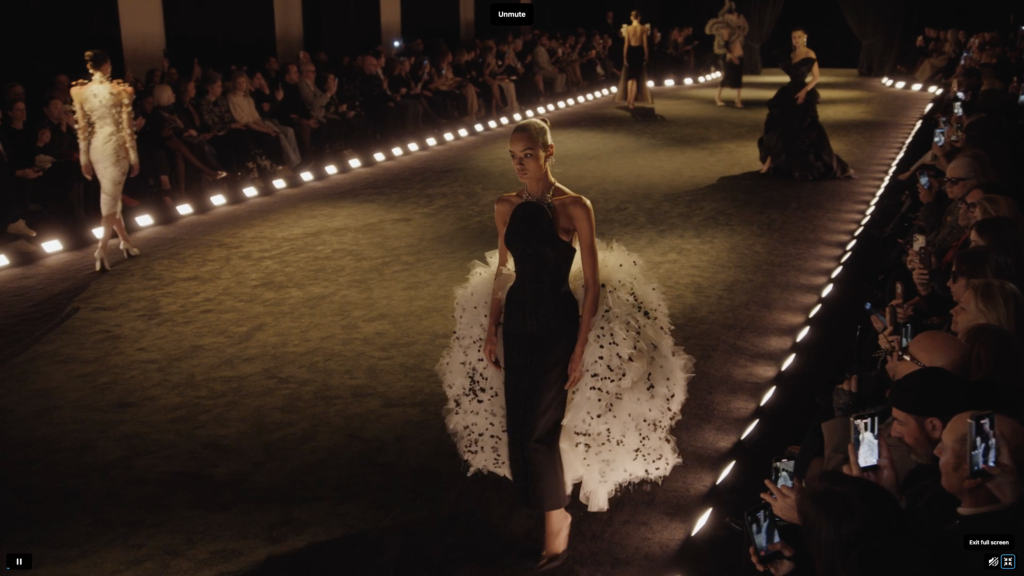
This spirit of rebellion became the foundation of the house. Trompe l’oeil details, anatomical motifs and bold symbolism distinguished Schiaparelli from its contemporaries. Fashion was not merely decorative but intellectual, capable of expressing ideas as powerfully as art.
The revival of the house in the modern era draws directly from this legacy, treating surrealism not as nostalgia but as a living language.
The Modern Vision of Couture
Contemporary Schiaparelli approaches couture as a platform for storytelling. Each collection unfolds like a visual narrative, where garments serve as characters shaped by emotion and symbolism. Silhouettes are sculptural and deliberate, designed to command presence rather than blend into the background.
The body is central to this vision. Corsetry, tailoring and draping are used to exaggerate form, creating tension between structure and fluidity. These choices transform clothing into wearable art, emphasising the relationship between garment and wearer.
Despite their dramatic impact, Schiaparelli’s couture pieces are grounded in technical mastery. Every element is executed with precision, ensuring that fantasy is supported by discipline.
Gold as a Signature Language
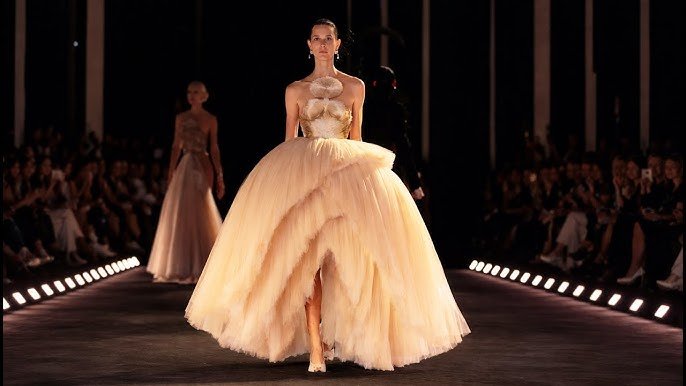
Gold has become one of Schiaparelli’s most recognisable signatures. Used not as ornament but as symbol, it appears in sculptural jewellery, buttons and embellishments that evoke mythology and the human anatomy.
These golden elements function as visual anchors, drawing attention to the craftsmanship and conceptual depth of each piece. Faces, hands and abstract forms emerge as wearable sculptures, blurring the line between fashion and art object.
Through gold, Schiaparelli communicates power, transformation and identity. It becomes a language that speaks across collections, reinforcing the house’s distinct visual vocabulary.
Craftsmanship at the Heart of Fantasy
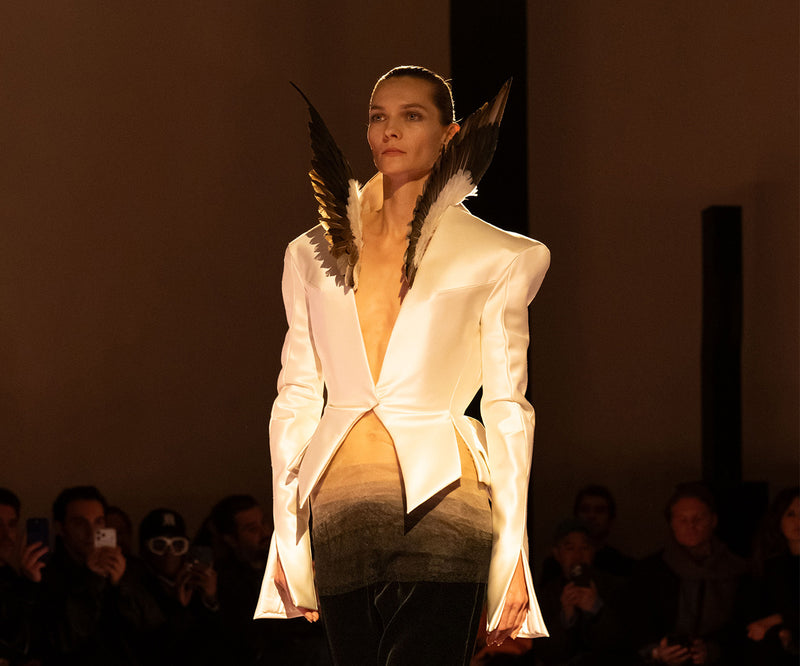
Behind the theatricality of Schiaparelli couture lies extraordinary craftsmanship. Artisans work meticulously to bring complex visions to life, translating sketches into garments that balance structure and delicacy.
Embroidery, metalwork and tailoring are executed with obsessive attention to detail. Techniques are often pushed beyond convention, requiring innovation alongside tradition. This commitment ensures that each piece achieves both visual impact and technical integrity.
By foregrounding craftsmanship, Schiaparelli reinforces the idea that fantasy gains power when grounded in skill. The house celebrates the human hand as an essential component of luxury.
Couture as Cultural Commentary
Schiaparelli’s couture often functions as cultural commentary. Collections explore themes of identity, desire and perception, using fashion as a medium for reflection. Rather than offering literal messages, the house invites interpretation, allowing viewers to engage emotionally and intellectually.
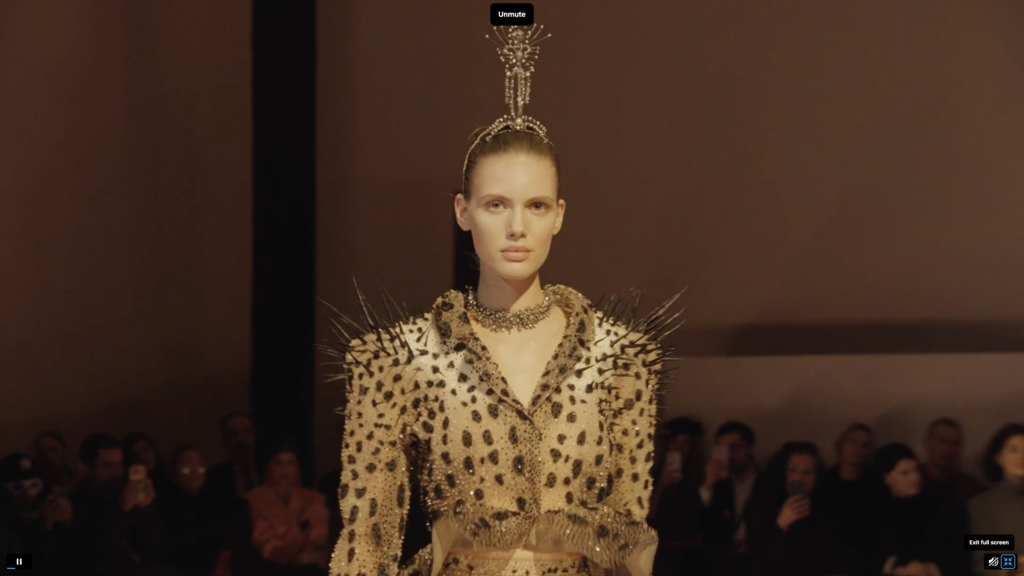
This approach resonates in a cultural climate that values meaning and authenticity. Schiaparelli does not aim to please universally. It aims to provoke curiosity and dialogue.
Through this lens, couture becomes more than luxury. It becomes a platform for artistic exploration and cultural expression.
The Red Carpet as Theatre
Schiaparelli’s presence on the red carpet has further amplified its cultural impact. Worn by figures who embrace bold self expression, the house’s designs transform public appearances into moments of theatre.
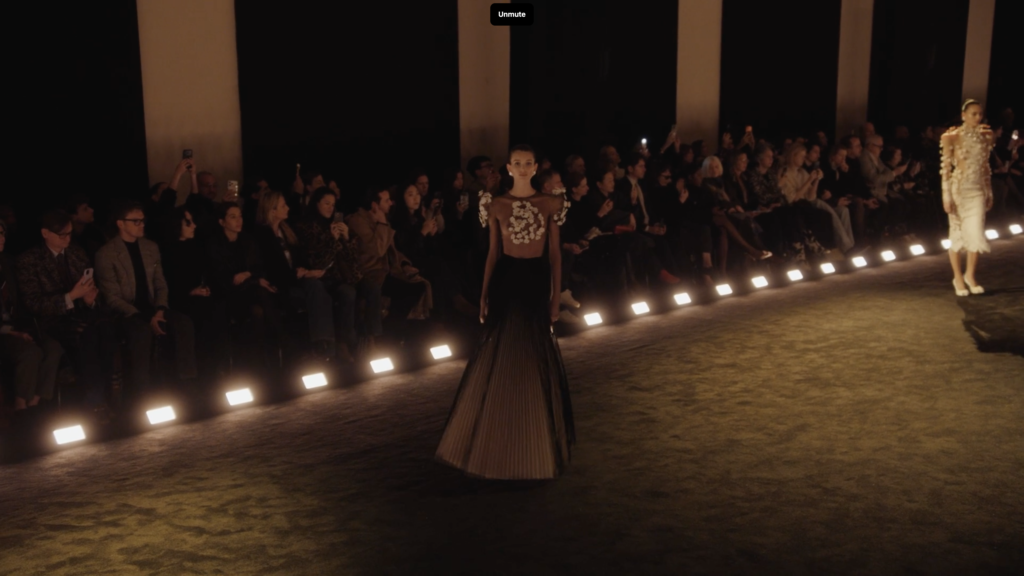
These moments reinforce the idea that fashion can command attention while conveying depth. Each look becomes a statement of individuality, aligning wearer and garment in shared narrative.
The red carpet thus becomes an extension of Schiaparelli’s artistic vision, offering a contemporary stage for couture storytelling.
A Distinct Position in Modern Luxury
In the modern luxury landscape, Schiaparelli occupies a singular position. It does not compete through accessibility or volume. Instead, it asserts relevance through originality and conviction.
This clarity of purpose attracts an audience that values art, craftsmanship and imagination. Schiaparelli’s creations are not designed to blend into wardrobes. They are designed to exist as statements of vision.
Such distinction ensures longevity. In a crowded industry, Schiaparelli remains unmistakable.
The Enduring Power of Imagination
Schiaparelli endures because it champions imagination as a form of strength. By embracing surrealism, symbolism and craft, the house offers an alternative to conventional luxury narratives.
Its couture invites us to view fashion not simply as clothing, but as art shaped by human creativity and emotion. Each piece carries the legacy of Elsa Schiaparelli while speaking confidently to the present moment.
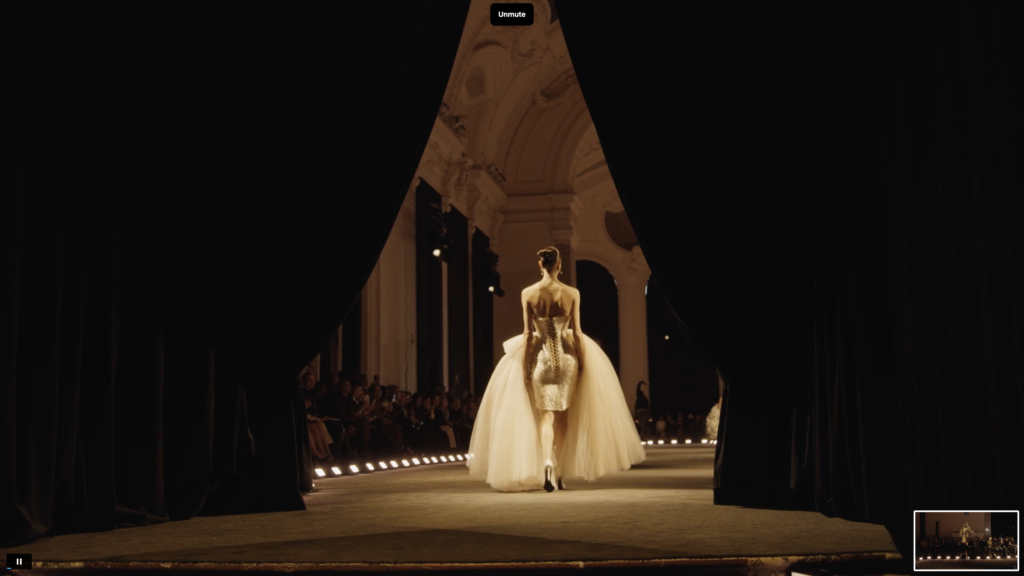
In doing so, Schiaparelli reminds us that fashion reaches its highest potential when it dares to dream. A house defined not by restraint, but by the courage to imagine without limits.
Written by: Linh Giang Nguyen
Published on: 28 January 2026