
Luxury fashion is in its reset era. After years of logo maximalism, price inflation and hype-driven growth, the industry is facing a moment of reckoning. Consumers are more selective, cultural relevance matters more than ever, and heritage brands are under pressure to evolve without losing their soul. Against this backdrop, Versace has made one of its most consequential moves in decades by appointing Pieter Mulier as its new creative director.
A Turning Point for Versace’s Identity
Versace has always been synonymous with boldness. From Gianni Versace’s glamorous excess in the 1990s to the brand’s celebrity-fueled dominance in the 2000s, the house built its power on confidence, sex appeal and visual impact. But in recent years, that identity has struggled to cut through a crowded luxury market obsessed with novelty and quiet luxury aesthetics.
The appointment of Mulier suggests a deliberate pivot. Rather than chasing trends or doubling down on archival references, Versace appears to be investing in long-term creative credibility. Mulier is known for restraint, structure and emotional design language. His work prioritizes form, craft and atmosphere over overt branding. For Versace, this represents a shift from spectacle toward substance.
This does not mean abandoning sensuality or drama. Instead, it means refining them. In a market where consumers increasingly value authenticity and intention, this recalibration could help Versace reconnect with both critics and clients who want more than visual noise.
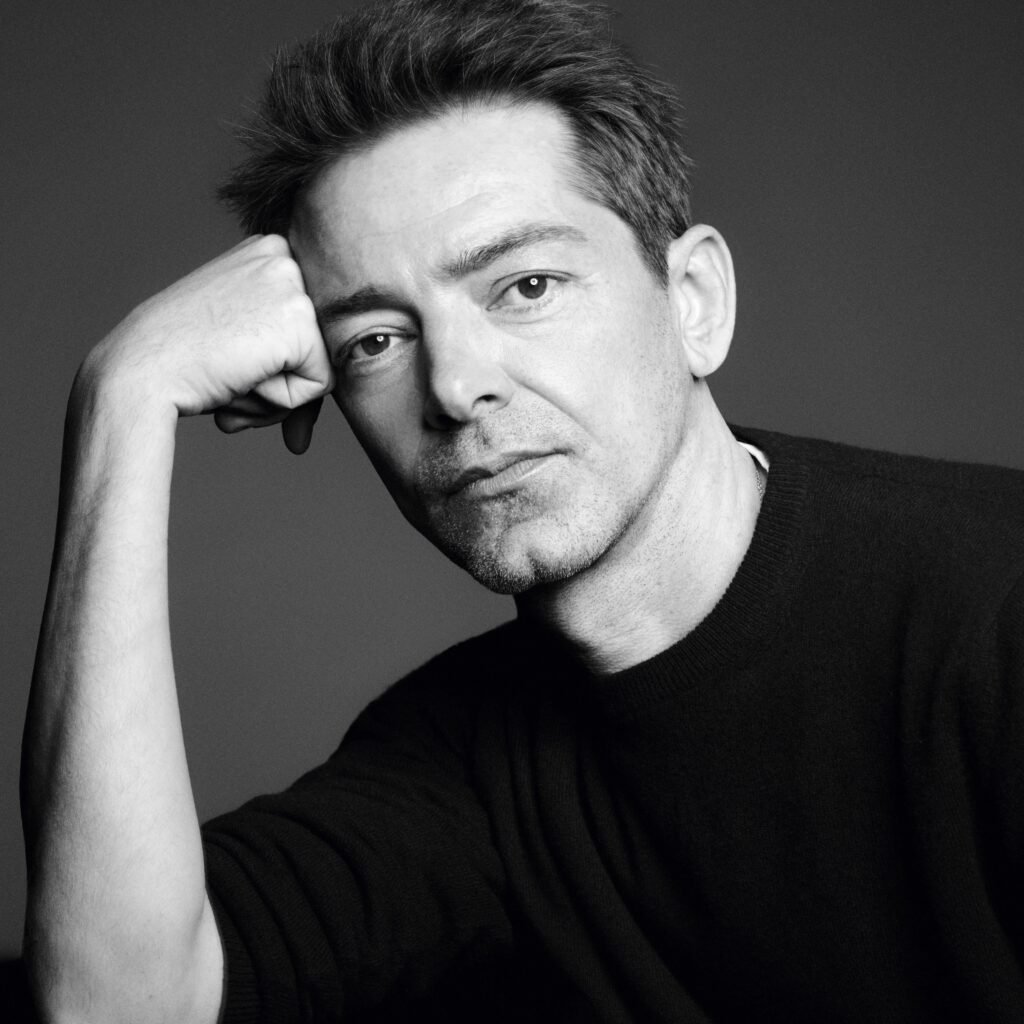
Why Pieter Mulier Makes Strategic Sense
Mulier’s background makes him an unconventional yet compelling choice. His success has been built on discipline rather than celebrity, and on cultivating desire through precision rather than excess. That approach aligns closely with the current luxury climate, where shoppers are buying fewer pieces but demanding higher emotional and material value.
Importantly, Mulier understands how to modernize heritage without erasing it. His work demonstrates an ability to distill a brand’s essence and re-present it in a way that feels contemporary and intellectually relevant. For Versace, a house with a strong but sometimes overexposed visual vocabulary, this skill is critical.
There is also a business logic at play. Under the ownership of Prada, Versace is part of a group that values creative autonomy paired with disciplined execution. Mulier’s measured approach fits neatly into this ecosystem. His leadership could help stabilize Versace’s brand positioning while improving consistency across collections, campaigns and product categories.

Cultural Relevance in a Post-Hype Era
Luxury is no longer driven solely by runway moments or celebrity endorsements. Cultural relevance today is quieter and more complex. Brands are expected to engage with identity, craftsmanship and values without feeling performative. Versace’s challenge is to remain daring while speaking the language of a more thoughtful luxury consumer.
Mulier’s appointment suggests a recognition that fashion credibility and cultural capital are inseparable. Rather than relying on viral moments, Versace may now focus on building a cohesive narrative across fashion, art and design. This strategy aligns with a broader industry shift away from hype cycles and toward enduring brand equity.
There is also a generational dimension. Younger consumers are still drawn to Versace’s confidence and sexuality, but they expect nuance. They want brands to evolve alongside them. A more refined, emotionally resonant Versace could bridge the gap between its iconic past and a future shaped by changing attitudes toward luxury, gender expression and self-presentation.
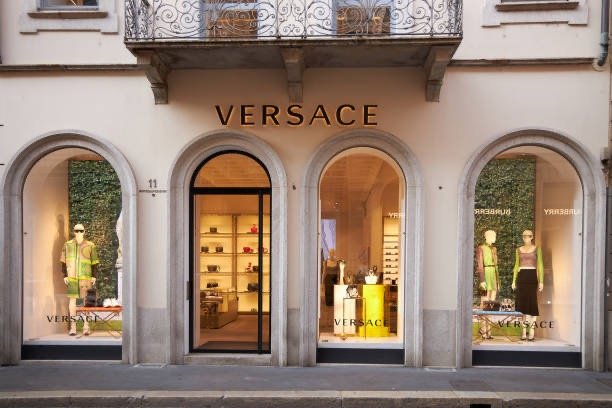
What This Means for the Future of Luxury
Versace’s decision reflects a larger truth about the luxury industry in 2026. Growth is no longer guaranteed, and differentiation is harder to achieve. Creative leadership has become one of the most powerful levers brands can pull to signal seriousness, ambition and relevance.
If successful, Mulier’s tenure could reposition Versace as a house that balances sensuality with sophistication and boldness with restraint. That balance is increasingly rare, and therefore valuable. It would allow Versace to stand apart from both minimalist luxury brands and those still chasing maximalist nostalgia.
Ultimately, this moment is about more than one designer or one brand. It is about how legacy fashion houses adapt to a world where luxury is less about visibility and more about meaning. Versace’s next act will test whether refinement can be as powerful as excess, and whether evolution can honor heritage without being trapped by it.If Mulier succeeds, Versace may not just survive this industry reset. It may help define what modern luxury looks like on the other side.
Written By: Mia Quisumbing
Published On: 6th February 2026