
Soho House has grown from a single creative refuge in London into a global network of members’ clubs that shape how people work, socialise, and unwind. Known for its selective membership and carefully curated spaces, Soho House blends luxury with a relaxed, lived-in atmosphere that appeals to artists, entrepreneurs, and professionals alike. What began as a niche idea in the mid 1990s has evolved into a cultural phenomenon, influencing hospitality, design, and the concept of community in the modern world.
Origins and Vision
Soho House was founded in 1995 by Nick Jones in London’s Soho district, an area already known for its creative energy. The original idea was simple yet powerful. It was designed as a private club for people working in the film, media, and creative industries who needed a comfortable and stylish place to meet, collaborate, and relax. At the time, traditional private members’ clubs were often formal, exclusive in a rigid way, and dominated by older, elite circles. Soho House challenged that model by creating a space that felt more like a home than an institution.
The early success of the first Soho House location came from its ability to strike a balance between exclusivity and accessibility. Membership was selective, but not based on wealth or status alone. Instead, it prioritised creativity and cultural contribution. This approach attracted a diverse mix of individuals who valued connection and inspiration. The atmosphere was intentionally relaxed, with plush sofas, warm lighting, and an emphasis on comfort. It encouraged conversation and collaboration rather than formality.
As word spread, Soho House quickly became a hub for London’s creative scene. Filmmakers, writers, designers, and artists gravitated towards it, not just for networking but for the sense of belonging it offered. This foundation set the tone for its future expansion and established its identity as more than just a club.
Global Expansion and Influence
Following its success in London, Soho House began expanding internationally in the early 2000s. Locations opened in cities such as New York, Los Angeles, Berlin, and later across Europe, Asia, and Australia. Each House was designed to reflect the character of its city while maintaining the core Soho House aesthetic and ethos.
This global growth transformed Soho House into a lifestyle brand rather than just a series of clubs. It introduced a consistent experience across different locations, allowing members to travel and feel at home wherever they went. The ability to access multiple Houses around the world became a key part of its appeal.
The influence of Soho House extended beyond its members. It helped redefine what modern hospitality could look like. Hotels, coworking spaces, and even cafes began adopting similar design principles, focusing on comfort, community, and a sense of individuality. The concept of blending work and leisure spaces, now common in many urban environments, was something Soho House helped popularise. Despite its expansion, Soho House has maintained a level of exclusivity that continues to drive its desirability. Membership applications are reviewed carefully, and the brand remains associated with creativity and cultural relevance. This balance between growth and selectivity has been central to its sustained success.
Design, Atmosphere, and Experience
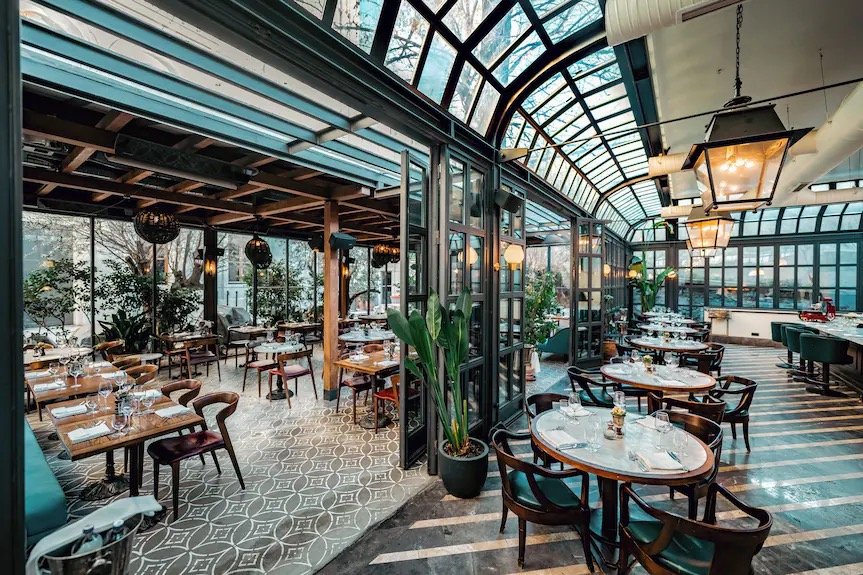
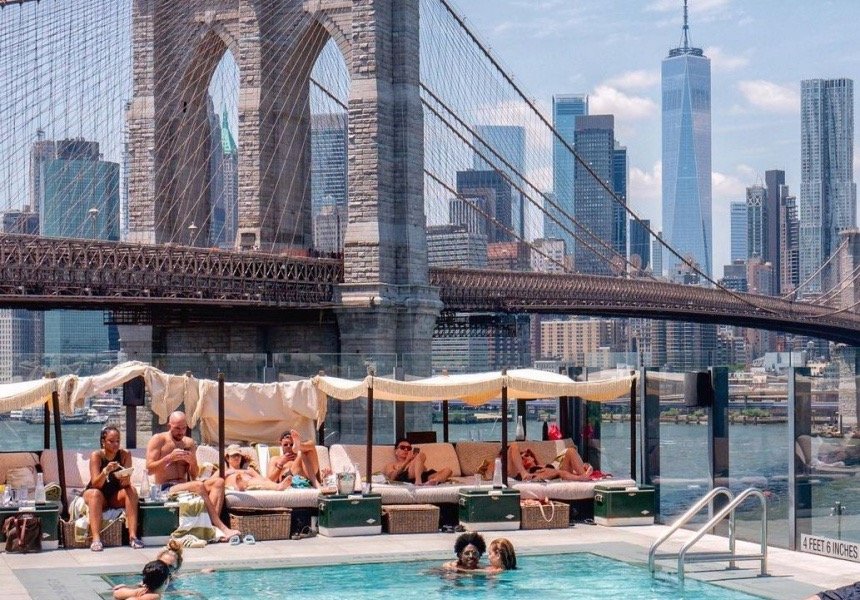
One of the defining features of Soho House is its distinctive design philosophy. Each location is carefully curated to feel unique yet familiar. Interiors often feature vintage furniture, rich textures, and an eclectic mix of art and decor. The goal is to create an environment that feels personal and inviting rather than polished and impersonal. This attention to detail extends to every aspect of the experience. From the layout of spaces to the music and lighting, everything is designed to encourage comfort and connection. Members can move seamlessly between different areas, whether they are working during the day, meeting friends in the evening, or relaxing by a rooftop pool.
Food and drink also play a significant role in the Soho House experience. Menus are tailored to each location but maintain a consistent standard of quality. Dining areas are designed to feel social rather than formal, encouraging shared experiences and conversation. Another key element is the sense of privacy. While Soho House is social by nature, it offers a level of discretion that appeals to many of its members. This balance allows people to feel both connected and comfortable, making it a space where creativity and relaxation can coexist.
Membership and Cultural Impact
Membership is at the heart of Soho House’s identity. Unlike public venues, access is limited to approved members and their guests. This creates a sense of community and shared values among those who belong. Members often describe Soho House as a place where they can be themselves without the pressures of traditional social settings. The application process typically considers a person’s profession, interests, and potential contribution to the community. This approach reinforces the brand’s focus on creativity and cultural engagement. It also helps maintain a diverse yet like minded membership base.
Over time, Soho House has had a significant cultural impact. It has influenced how people think about work life balance, social spaces, and the importance of community. It has also played a role in shaping urban culture, particularly in cities where creative industries thrive.
Critics have occasionally pointed out the exclusivity of Soho House, arguing that it can reinforce social divides. However, supporters view it as a space that celebrates creativity and fosters meaningful connections. Regardless of perspective, its influence on modern social and professional life is undeniable.
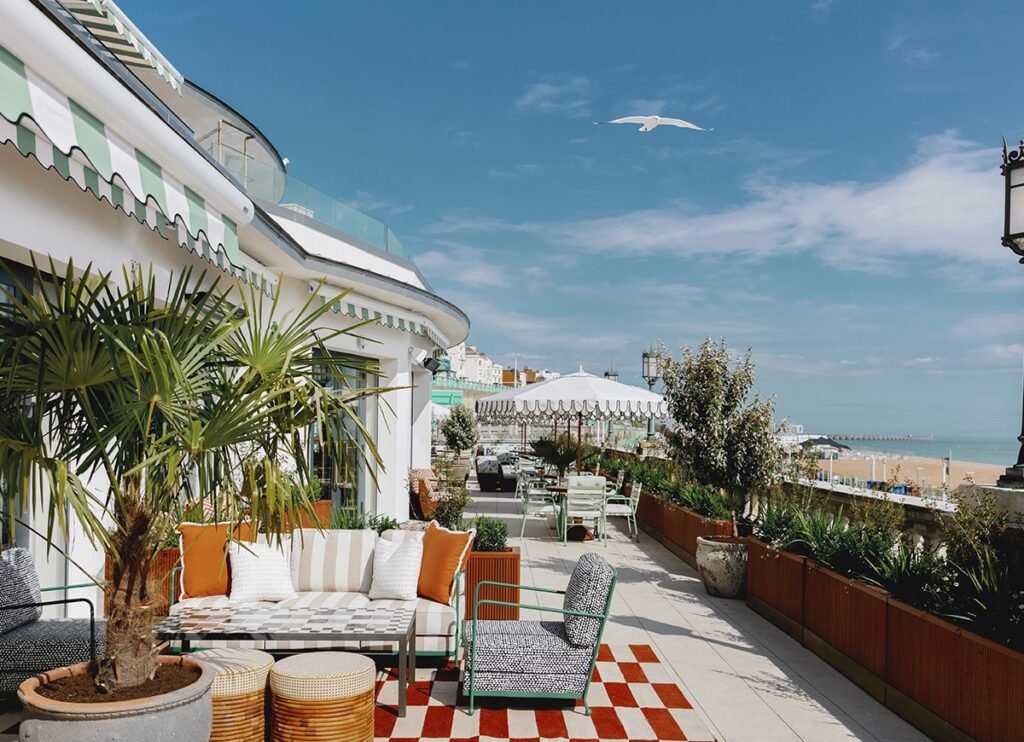
As Soho House continues to expand and evolve, it remains a symbol of a new kind of luxury. One that prioritises experience, community, and authenticity over traditional notions of status. In a world where people increasingly seek connection and inspiration, Soho House stands as a testament to the power of thoughtfully designed spaces and shared cultural values.
Written By: Mia Quisumbing
Published On: 27th March 2026