
A decade ago, few consumers outside China had heard of BYD. Today, the company is reshaping the global automotive industry at remarkable speed. From dominating China’s electric vehicle market to overtaking major international competitors in EV sales, BYD has transformed itself from a modest battery manufacturer into one of the most influential car companies in the world. Its rise reflects more than just growing demand for electric vehicles.
From Batteries to Billion Dollar Automaker
BYD was founded in 1995 by Chinese entrepreneur Wang Chuanfu. Initially, the company focused on manufacturing rechargeable batteries for mobile phones and electronics. At the time, Japan dominated the battery industry, but BYD rapidly expanded by producing cheaper alternatives at massive scale.
The turning point came in 2003 when BYD entered the automotive industry by purchasing a struggling Chinese car manufacturer. While many doubted the decision, Wang saw the long-term potential of electric transportation before most global competitors did. Unlike traditional automakers, BYD already possessed expertise in battery technology, which would later become one of its greatest competitive advantages. Batteries are the most expensive and technologically complex component of electric vehicles, and BYD’s ability to manufacture them internally gave the company enormous control over pricing and production.
By the late 2000s, BYD began experimenting with hybrid and fully electric vehicles while much of the global industry still prioritised petrol-powered cars. This early investment allowed the company to gain years of experience before the worldwide EV boom truly accelerated.
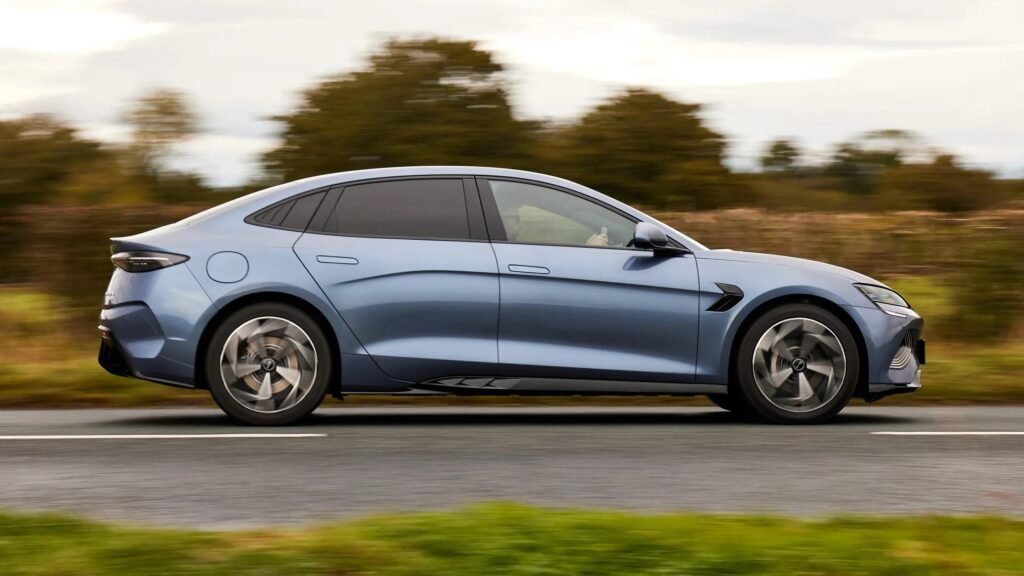
The Secret Behind BYD’s Explosive Growth
One of the biggest reasons for BYD’s rise is its vertically integrated business model. Unlike many competitors that rely heavily on external suppliers, BYD manufactures many of its own components, including batteries, semiconductors, motors, and software systems. This approach lowers costs and protects the company from supply chain disruptions.
Its Blade Battery became a major breakthrough in the EV industry. The battery was designed to improve safety, reduce fire risks, and lower production costs. Safety concerns had long been one of the biggest criticisms surrounding electric vehicles, so BYD’s innovation helped strengthen consumer confidence while increasing profit margins. Price has also been central to the company’s success. While brands like Tesla initially dominated the premium EV market, BYD focused heavily on affordability. The company released a wide range of electric and hybrid vehicles at lower price points, making EV ownership accessible to middle-class consumers.
This strategy proved especially effective in China, now the world’s largest EV market. Government incentives, urban pollution concerns, and growing charging infrastructure created ideal conditions for rapid adoption. BYD capitalised on this demand faster than many international rivals. The company’s scale is equally significant. BYD produces millions of vehicles annually and continues to expand manufacturing facilities across Asia, Europe, and Latin America. This enormous output allows the company to reduce costs further while increasing global reach.
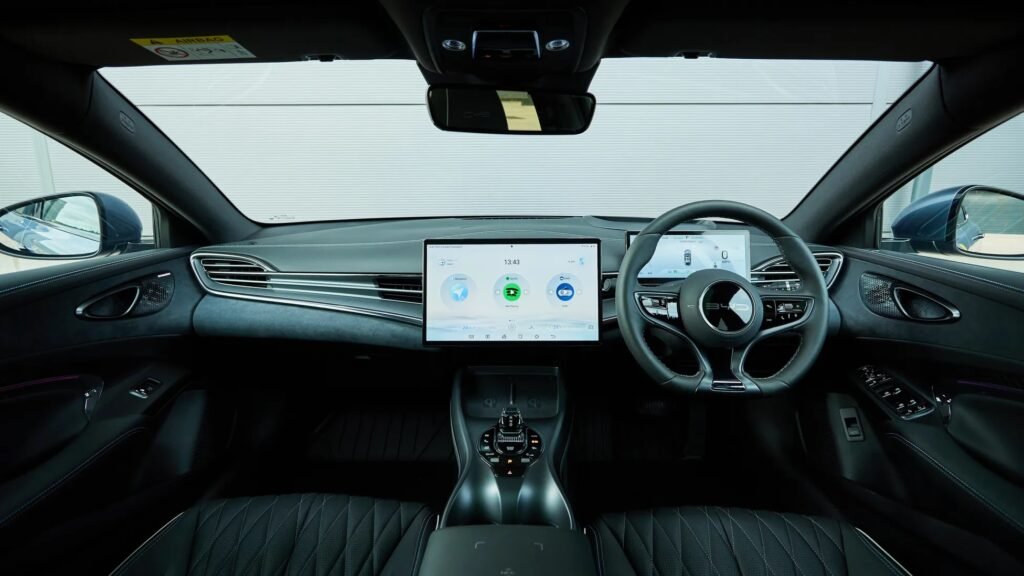
Challenging Tesla and Expanding Worldwide
BYD’s rise has inevitably led to comparisons with Tesla. In recent years, the Chinese company surpassed Tesla in quarterly electric and hybrid vehicle sales, signalling a major shift in the industry. Although Tesla remains dominant in global brand recognition and software innovation, BYD has emerged as its most serious challenger.
The two companies represent different philosophies. Tesla built its reputation on futuristic design, autonomous driving technology, and premium branding. BYD, meanwhile, prioritised practicality, affordability, and manufacturing efficiency. Both strategies have succeeded, but BYD’s broad product range has allowed it to capture a larger share of mass-market consumers.
International expansion is now BYD’s next major objective. The company has aggressively entered markets across Europe, Southeast Asia, Australia, and South America. In countries where fuel prices are high and governments are introducing stricter emissions regulations, BYD vehicles are becoming increasingly attractive. Australia has become one of BYD’s fastest-growing overseas markets. Affordable models such as the Atto 3 and Dolphin have gained popularity among younger buyers and families seeking cheaper alternatives to established EV brands. Competitive pricing has placed pressure on traditional automakers that have struggled to produce lower-cost electric models.
However, BYD’s expansion has not been without controversy. Western governments have expressed concerns about China’s growing dominance in the EV supply chain. Some critics argue that Chinese manufacturers benefit heavily from state support and subsidies, creating fears that local car industries could struggle to compete. Trade tensions may therefore become one of BYD’s biggest future challenges. Tariffs and political resistance in regions like Europe and the United States could slow expansion efforts. Still, the company’s rapid growth suggests it has already secured a powerful position within the global automotive market.
The Future of the Global Car Industry
BYD’s rise signals a broader transformation in the automotive world. For over a century, the industry was dominated by American, Japanese, and European manufacturers. Now, Chinese companies are increasingly shaping the future of mobility.
The shift is particularly important because electric vehicles require different expertise than traditional petrol cars. Battery technology, software integration, and supply chain efficiency matter more than legacy engine engineering. This has allowed newer companies like BYD to compete more aggressively against established giants.
The company’s success also highlights how quickly consumer attitudes toward EVs have changed. Electric vehicles were once viewed as niche products for environmentally conscious buyers. Today, they are becoming mainstream transportation options, driven by rising fuel costs, climate concerns, and advances in charging technology.
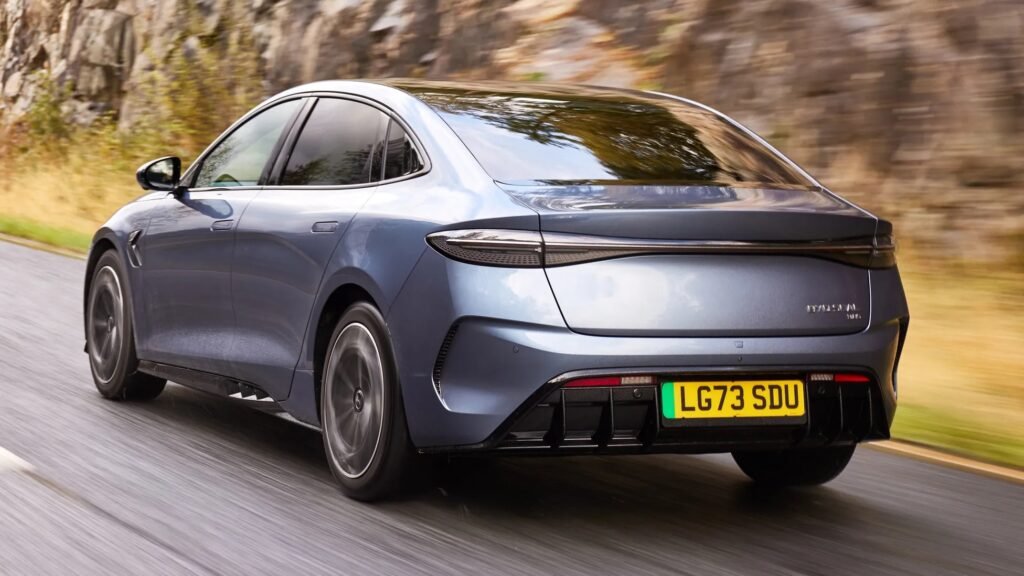
As competition intensifies, consumers are likely to benefit from lower prices and faster innovation. BYD’s aggressive pricing strategy has already forced rivals to reconsider their own EV plans, accelerating the industry’s transition toward electric mobility. Whether BYD eventually becomes the world’s largest carmaker remains uncertain. What is clear, however, is that the company has permanently altered the balance of power within the automotive industry. From humble beginnings as a battery producer, BYD has become one of the defining companies of the electric age.
Written By: Mia Quisumbing
Published On: 27th May 2026