
US cosmetics giant Estee Lauder is in talks to combine with Spanish beauty group Puig in a potential deal worth more than 40 billion US dollars. The merger would unite some of the world’s most recognisable fragrance and beauty brands under one umbrella. While discussions are ongoing, no final agreement has been reached, leaving the future of the deal uncertain.
A Potential Beauty Industry Giant
Estee Lauder and Puig have confirmed they are in discussions over a possible business combination that could reshape the global beauty landscape. If successful, the deal would create a company with a combined value exceeding 40 billion US dollars and annual revenues of more than 20 billion US dollars.
Both companies have emphasised that talks remain preliminary. No binding agreement has been signed, and there is no certainty that a transaction will ultimately take place. Still, the scale of the potential merger signals a significant moment for the luxury beauty sector, where consolidation is becoming increasingly common.
A Portfolio of Global Brands
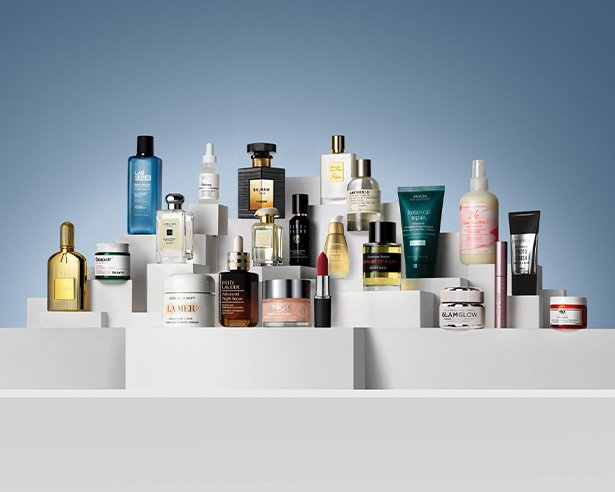
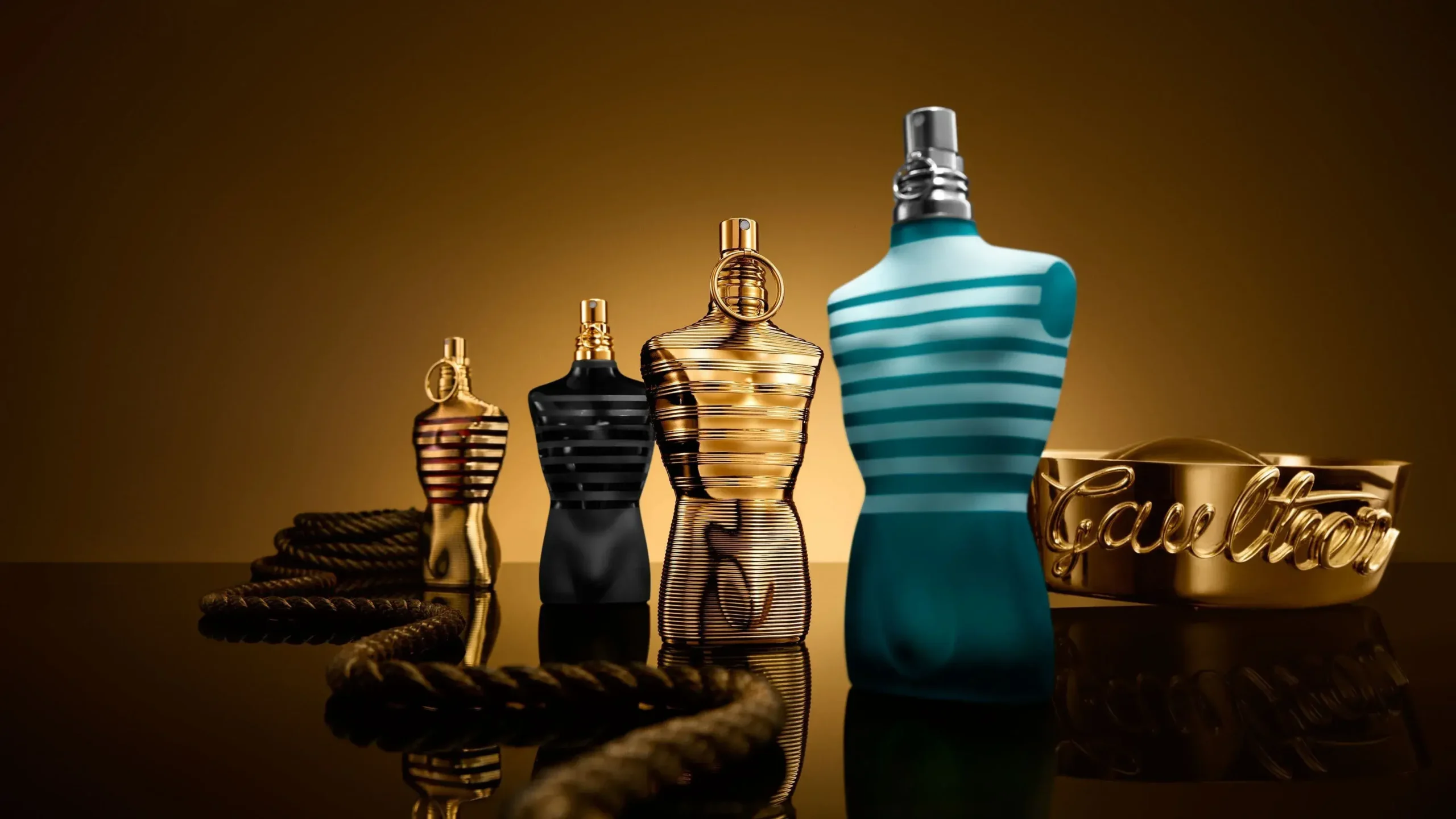
Together, the two companies represent a formidable collection of brands across fragrance, skincare and cosmetics. Estee Lauder’s portfolio includes major names such as Tom Ford Beauty and Clinique, while Puig owns and licenses brands including Jean Paul Gaultier, Rabanne and Charlotte Tilbury.
This combination would create a diversified powerhouse spanning multiple categories and price points. Fragrance in particular would be a key strength, with Puig deriving a significant portion of its revenue from perfume lines and Estee Lauder continuing to expand its presence in the category.
The merged entity would also benefit from a global footprint, with strong positions in North America, Europe and growing markets worldwide.
Industry Pressures Driving Consolidation
The talks come at a time of increasing pressure on the global beauty industry. Slowing consumer demand, inflation concerns and geopolitical uncertainty have all contributed to a more challenging operating environment for luxury and consumer brands.
As growth becomes harder to achieve organically, companies are increasingly turning to mergers and acquisitions to scale up and remain competitive. A combination of Estee Lauder and Puig would allow both groups to strengthen their market positions and better navigate economic headwinds.
Recent activity across the sector suggests this trend is accelerating, with analysts predicting further consolidation as companies seek efficiency and resilience.
Market Reaction and Investor Concerns
Investor response to the potential deal has been mixed. Shares in Puig rose following news of the discussions, reflecting optimism about the strategic opportunity. In contrast, Estee Lauder’s share price declined, highlighting concerns about the risks associated with a deal of this size.
Analysts have pointed to the complexity of integrating two large organisations, particularly at a time when Estee Lauder is already undergoing a period of transformation. Large scale mergers often carry execution risks, and investors appear cautious about the potential impact on the company’s turnaround efforts.
The differing market reactions underscore the uncertainty surrounding the deal and the challenges that would come with bringing the two businesses together.
A Turning Point for Estee Lauder
The potential merger comes during a transitional period for Estee Lauder. The company has faced declining revenues and significant share price drops in recent years, falling sharply from its peak in 2021.
Leadership changes have added to this moment of transformation. Following the retirement of longtime chief executive Fabrizio Freda, the company is now under new leadership, with a renewed focus on growth through its Beauty Reimagined strategy.
A deal with Puig could accelerate this transformation by expanding Estee Lauder’s brand portfolio and strengthening its position in key categories. However, it could also introduce additional complexity at a time when the company is still stabilising its core business.
Puig’s Evolution and Expansion
For Puig, the discussions represent the latest step in a long history of growth through acquisition. The Barcelona based company has spent more than a decade building its portfolio, completing multiple deals between 2011 and 2024 to acquire fragrance and fashion brands.
The company went public in 2024, in a move that valued it at nearly 14 billion euros. Despite initial optimism, its performance in public markets has been uneven, reflecting broader challenges in the sector.
Leadership has also evolved. Marc Puig, a member of the founding family, recently stepped back from the chief executive role, with Jose Manuel Albesa taking over as the first non family CEO. This shift signals a new phase for the company as it continues to expand on a global scale.
What Happens Next
While discussions between Estee Lauder and Puig are ongoing, the outcome remains uncertain. Both companies have reiterated that no agreement has been reached, and there is no guarantee that a deal will proceed.
If it does move forward, the merger would mark one of the most significant transactions in the beauty industry in recent years. It would reshape competitive dynamics and create a new leader in luxury cosmetics and fragrance.
For now, the industry will be watching closely. Whether the deal materialises or not, the talks themselves highlight a broader shift in the market, where scale, diversification and strategic partnerships are becoming increasingly important.
A Defining Moment for Global Beauty
The potential combination of Estee Lauder and Puig reflects a pivotal moment for the global beauty industry. Faced with changing consumer behaviour and economic uncertainty, even the most established players are being pushed to adapt.
A successful merger would not only create a powerful new entity but also set a precedent for further consolidation across the sector. As brands compete for relevance and resilience, partnerships of this scale may become the new normal.
For consumers, the impact could be far reaching, shaping the future of the products, brands and experiences that define modern beauty.
Written By: Lydia Kelly
Published: 31st March 2026