
In an age where nearly every experience is documented, shared and consumed online, one of Australia’s most celebrated restaurants is moving in the opposite direction. In suburban Melbourne, Attica is redefining what luxury dining means by limiting distraction and reclaiming intimacy.
A Dining Room Without an Audience
At Attica, the experience begins with what is not present. There are no ring lights, no constant flashes, and a noticeable absence of phones hovering over plates. While not an outright ban, the culture of the restaurant strongly discourages excessive photography. The result is a dining room that feels unusually focused.
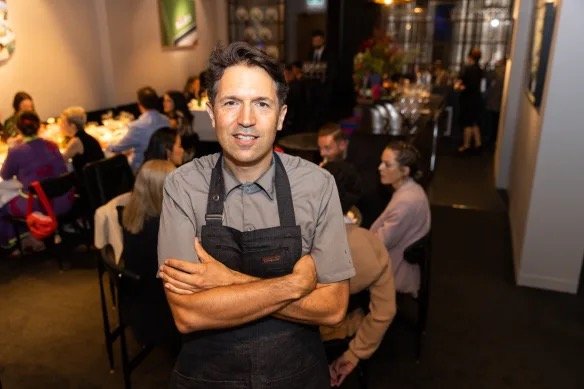
Chef Ben Shewry has long emphasised that food should be experienced rather than performed. This philosophy stands in contrast to a broader shift in fine dining, where meals are often curated as much for social media as for taste. Across cities like Sydney, London and New York, high-end restaurants are increasingly judged not just by critics but by how well their dishes translate to a screen.
Attica resists this transformation. Diners are encouraged to be present, to engage with the story behind each dish, and to focus on sensory detail rather than visual documentation. The absence of constant filming changes the rhythm of the room. Conversations deepen. Courses are received with attention rather than interruption. This approach reflects a growing tension within luxury hospitality. As platforms like TikTok and Instagram shape consumer behaviour, restaurants face pressure to design meals that are visually striking and instantly shareable. Attica’s refusal to fully participate signals a deliberate choice to prioritise experience over exposure.
Redefining Australian Luxury
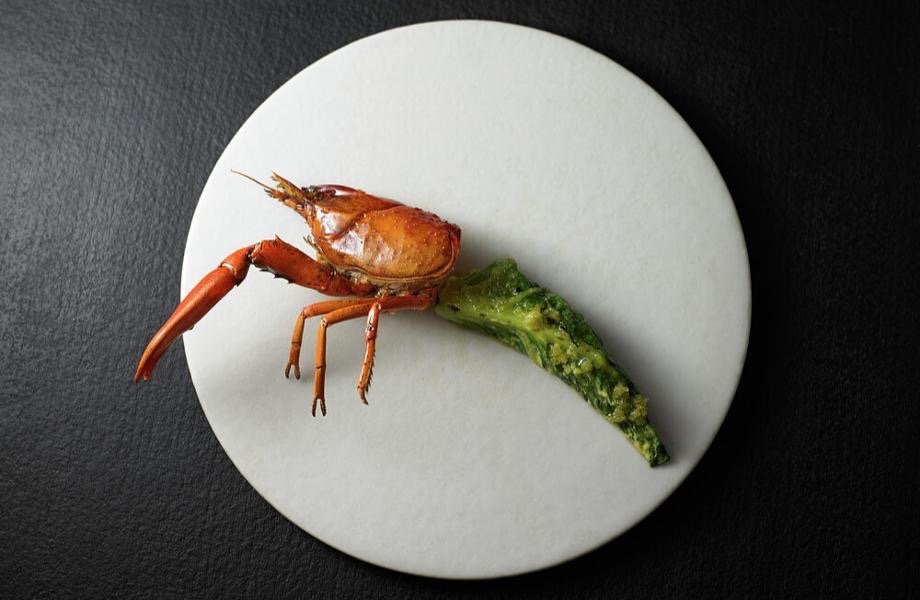
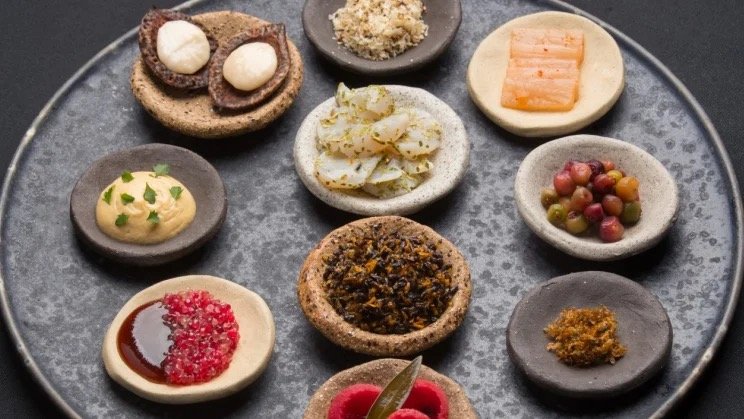
Attica’s menu is built on a distinctly Australian identity. Native ingredients, local sourcing and personal storytelling replace the traditional markers of European fine dining such as caviar and foie gras. This positions the restaurant within a broader movement that seeks to redefine luxury as something rooted in place rather than imported prestige.
The tasting menu, which can cost several hundred dollars, still places Attica firmly within the upper tier of dining. Yet its value proposition is different. Instead of offering global luxury staples, it delivers a narrative driven by memory, landscape and culture. Dishes often reference Australian environments or childhood experiences, creating an emotional dimension that extends beyond flavour.
This shift reflects changing expectations among diners, particularly younger ones. For many, luxury is no longer about excess alone. It is about meaning, authenticity and connection. Attica capitalises on this by offering a form of exclusivity that is intellectual as well as financial. At the same time, this raises questions about accessibility. As the cost of living continues to rise across Australia, meals at restaurants like Attica remain out of reach for most. The contrast between everyday financial pressure and high-end dining experiences highlights a widening gap in consumption. Luxury dining, in this context, becomes not just a culinary choice but a social signal.
The Future of Fine Dining in a Digital World
Attica’s approach may signal a broader recalibration within the industry. While many venues continue to embrace visibility and viral appeal, there is a growing countercurrent that values privacy and immersion. Some international restaurants have introduced phone-free policies or limited seating formats designed to protect the integrity of the experience.
The question is whether this model can scale. Social media remains a powerful marketing tool, particularly for attracting new and younger audiences. Restaurants that opt out risk reducing their visibility in an increasingly competitive market. However, they may also strengthen their brand by cultivating a sense of rarity and depth.
For Attica, the balance appears deliberate. The restaurant is not invisible. It maintains a strong reputation, receives critical acclaim and attracts global attention. Yet it carefully controls how that attention manifests within its walls. The dining room becomes a space where the outside world is momentarily suspended.
This strategy aligns with a broader evolution in luxury consumption. As access to information and imagery becomes universal, true exclusivity shifts away from what can be seen and towards what must be experienced firsthand. In this sense, Attica is not rejecting modernity but adapting to it. By limiting digital intrusion, it creates a form of scarcity that cannot be replicated online.
Ultimately, Attica’s quiet resistance highlights a fundamental question facing the luxury sector. Is value created through visibility or through absence? In choosing the latter, the restaurant offers a compelling argument that in a world saturated with content, the most powerful experiences may be the ones that remain largely unseen.
Written By: Mia Quisumbing
Published On: 1st May 2025