
Bridal fashion has moved far beyond the idea of a single perfect white dress. Today’s brides are less interested in tradition for tradition’s sake and more focused on personal identity, individuality, and statement-making design. Few designers reflect this shift more clearly than Vera Wang. Known for reshaping modern bridalwear in the 1990s and 2000s, Wang is now pushing the boundaries again with what is often described as “anti-traditional bridal” design.
Breaking the Rules of the Traditional Bridal Silhouette
For decades, bridal fashion followed a predictable formula: white or ivory gowns, fitted bodices, voluminous skirts, and heavy embellishment meant to signal romance and purity. Vera Wang helped redefine that formula early in her career by introducing sleek, fashion-forward silhouettes that felt closer to runway couture than classic bridalwear. Today, her evolution continues with even more radical departures from convention.
Modern collections increasingly feature asymmetry, exaggerated proportions, and architectural cuts. Instead of emphasizing softness alone, Wang incorporates sharp tailoring, sculptural draping, and minimal structure that feels closer to contemporary art than traditional wedding attire. These designs often remove expected bridal elements such as lace overlays or heavy beading, replacing them with clean lines and unexpected fabric combinations.
This shift reflects a broader cultural change. Brides are no longer dressing to fit a ceremonial template. They are dressing to express individuality. Many now see the wedding dress not as a uniform of tradition but as a personal fashion statement, sometimes even mirroring red carpet or editorial styling rather than classic bridal aesthetics.
The Rise of Non-White Gowns
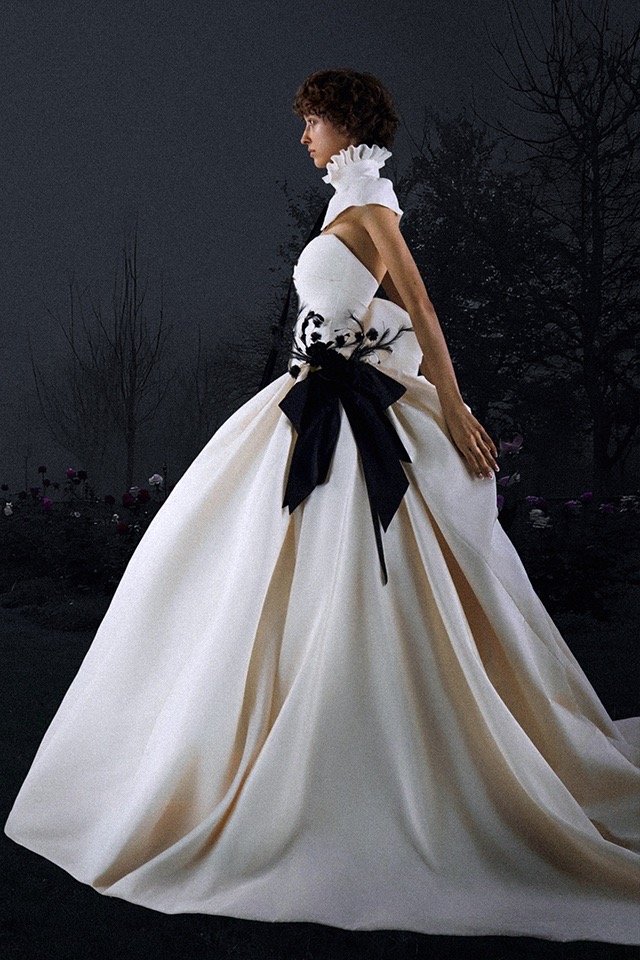
One of the most visible aspects of Vera Wang’s anti-traditional direction is her embrace of color. While white remains iconic, Wang has consistently introduced shades such as blush, black, grey, and soft nude tones into her bridal collections. These choices were once considered unconventional or even controversial, but they are now becoming increasingly accepted among modern brides.
Black wedding dresses in particular have become symbolic of this transformation. Once seen as taboo, they are now viewed by some brides as a bold expression of independence and sophistication. Similarly, soft pastel tones and smoky neutrals offer alternatives for brides who want elegance without strict adherence to tradition.
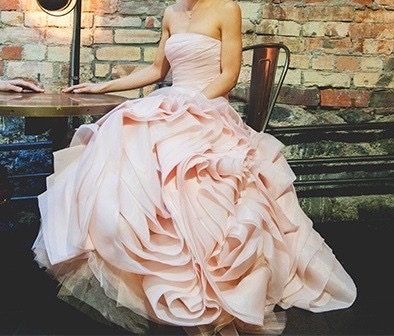
Texture also plays a key role. Instead of relying solely on lace or satin, Wang explores layered tulle, sheer organza, structured mikado, and mixed materials that create depth and visual tension. This approach allows dresses to feel more editorial and fashion-driven while still maintaining a bridal identity. The result is a growing acceptance that a wedding dress does not need to be white or predictable to be meaningful. It simply needs to feel authentic to the wearer.
Minimalism as the New Luxury Statement
While some of Vera Wang’s designs are dramatic, another major thread in her evolution is minimalism. This is not minimalism in the sense of simplicity alone, but rather a refined reduction of excess in favor of strong silhouette and precision tailoring. This aligns closely with the broader luxury trend often referred to as “quiet luxury.”
Modern brides are increasingly drawn to gowns that rely on cut and craftsmanship rather than ornamentation. Clean slip dresses, column silhouettes, and structured gowns without heavy embellishment are becoming central to high-end bridal fashion. These designs communicate confidence rather than excess.
In this context, luxury is no longer defined by how much decoration a dress has but by how well it is constructed. A perfectly draped silk gown with flawless tailoring can be seen as more luxurious than a heavily beaded ball gown. Vera Wang’s recent work reflects this shift by focusing on proportion, movement, and fabric quality. This approach also aligns with changing attitudes toward weddings themselves. Many couples are investing less in rigid formality and more in curated experiences. The wedding dress, therefore, becomes part of a broader aesthetic rather than the sole centerpiece of tradition.
What Modern Brides Want Now
The evolution of Vera Wang’s bridal vision mirrors a deeper transformation in what modern brides are looking for. Today’s bride is influenced by multiple cultural forces, including social media, celebrity fashion, and a growing emphasis on personal storytelling.
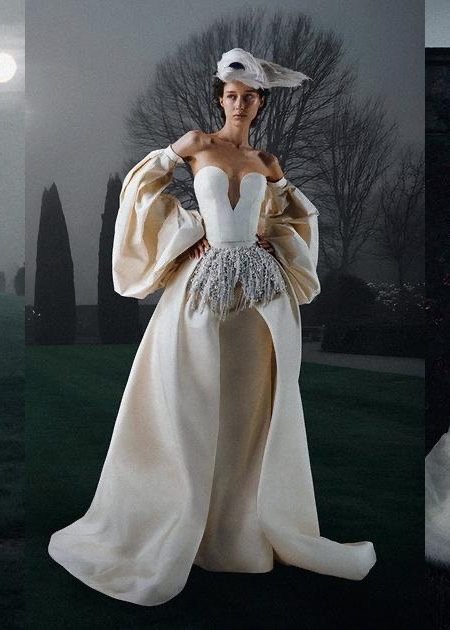
One major shift is the desire for individuality. Brides increasingly want dresses that feel unique rather than mass-replicated interpretations of tradition. Customization, limited-edition designs, and bespoke elements are in higher demand than ever. Many brides are willing to invest in alterations or fully custom gowns to ensure their look cannot be easily duplicated.
Another key factor is versatility. Modern brides often want dresses that can transition between ceremony, reception, and after-party without feeling restrictive. This has led to popularity in detachable skirts, convertible gowns, and two-piece bridal looks. Comfort is also becoming more important. While bridal fashion was once willing to sacrifice practicality for appearance, today’s designs increasingly balance aesthetics with wearability. Lightweight fabrics, flexible structures, and less restrictive silhouettes allow brides to move, dance, and enjoy their day more freely.
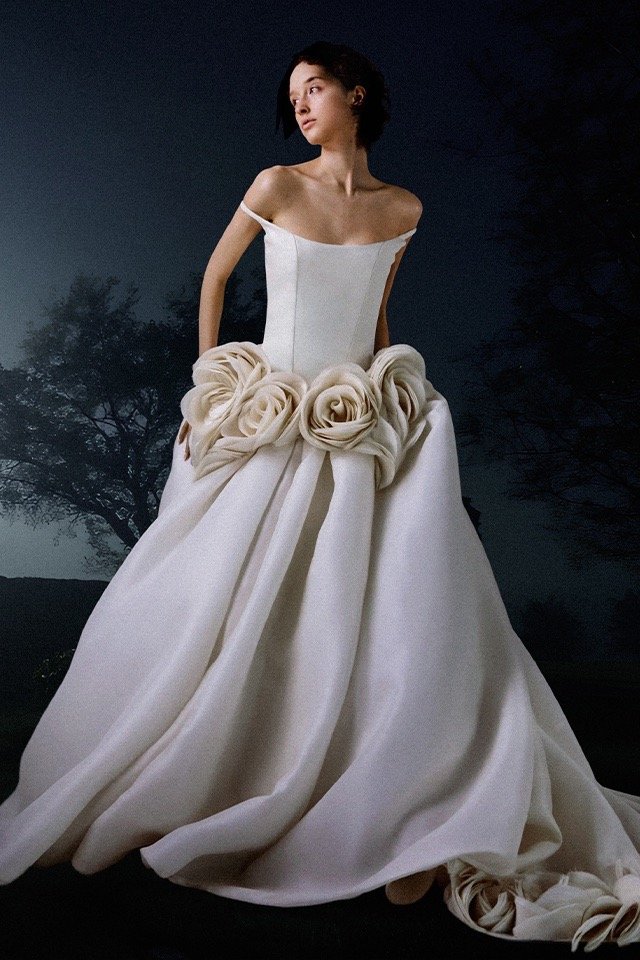
Finally, there is a growing rejection of pressure around tradition itself. Many brides are less concerned with adhering to expectations such as wearing white, following specific silhouettes, or conforming to “timeless” standards. Instead, they are prioritizing emotional resonance. The dress must feel like an extension of personal identity rather than a performance of tradition. Vera Wang’s continued evolution reflects and reinforces these desires. By challenging conventions, she has helped normalize the idea that bridal fashion can be expressive, unconventional, and deeply personal.
Written By: Mia Quisumbing
Published On: 29th April 2026