
The Clark Art Institute in Williamstown, Massachusetts, is preparing for one of the most significant transformations in its history. The museum is redefining its place among the world’s leading institutions with the unveiling of the Aso O. Tavitian Collection and a purpose-built gallery wing.
This project combines a gift of over 300 artworks and a financial endowment large enough to fund a museum wing, support long-term conservation and strengthen scholarly research. This is thus the largest philanthropic contribution ever received by Clark. The Tavitian project reflects the impactful influence that a single collector can have, depicting how a private collection can claim space as a permanent public resource for future generations.
A Collector with a Passion for European Art
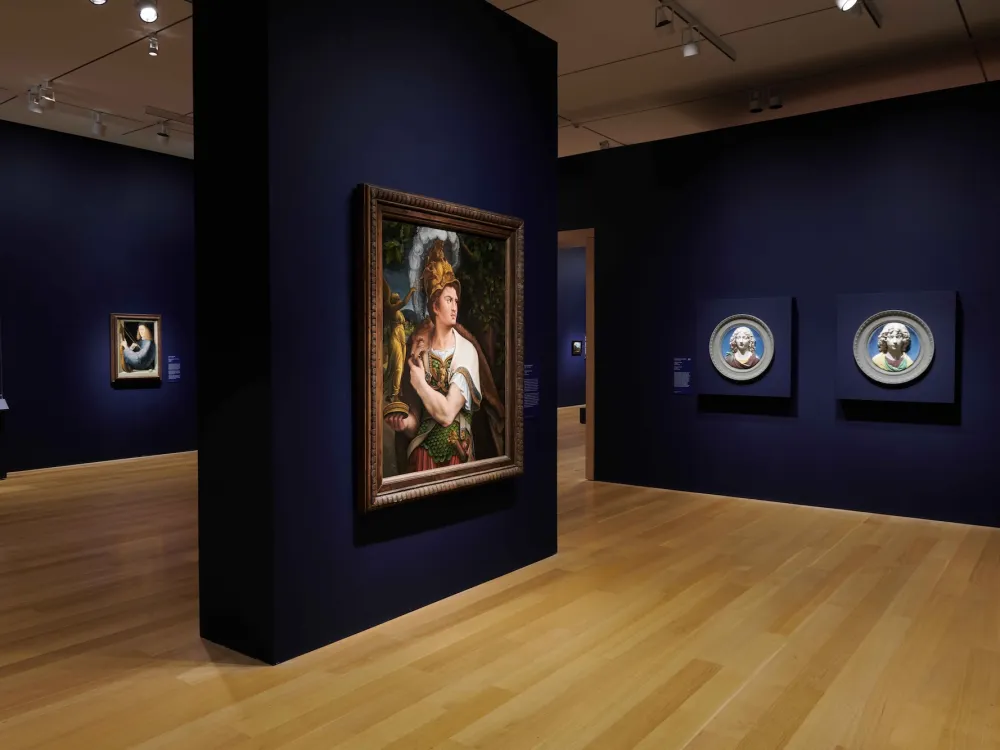
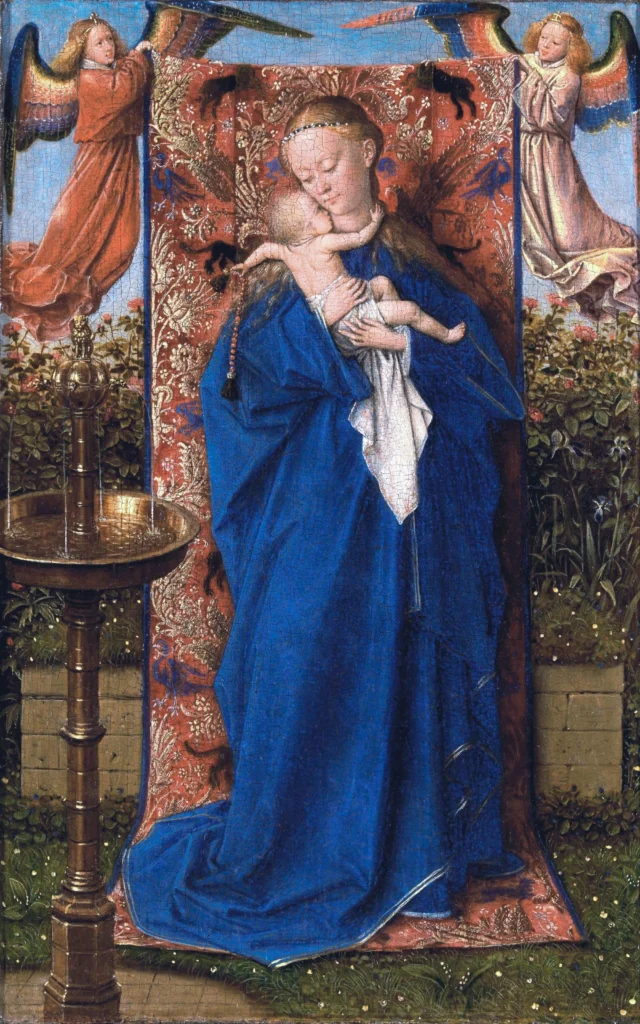
Aso O. Tavitian is widely known as an entrepreneur, philanthropist and dedicated collector. Collecting for approximately sixteen years, he assembled an art collection of European art dating from the Renaissance through the nineteenth century. His collection spans various mediums, including paintings, sculptures, drawings and even decorative arts that together illustrate the evolution of European artistic practices. His collection includes many renowned pieces with some of history’s most celebrated names, including Anthony van Dyck, Peter Paul Rubens and Gian Lorenzo Bernini, to name a few. Due to the breadth of the collection, visitors are able to watch the changing artistic landscape, exploring how styles, patronage, religious influences, and technical innovation have evolved over hundreds of years. After Tavitian’s passing in 2020, his foundation decided that the Clark Art Institute would be the permanent home for his collection, which will dramatically enrich the museum’s portfolio and expand its representation of Old Master art.
A Transformational Gift
The total donation includes 331 works of art. However, beyond the artworks themselves, the gift also includes over $45 million intended to be dedicated to ensuring the collections remain properly displayed, researched and conserved. A gift of this extent is relatively uncommon in the museum world, and for Clark, this endowment supports collection management, scholarly initiatives, and the construction of the Aso O. Tavitian Wing. This wing ensures that his collection will remain accessible for the public while being protected and upkept for the future.
Designing a New Home for Masterpieces
To accommodate the collection, the Clark has commissioned internationally acclaimed Selldorf Architects to design a wing that connects two existing buildings. This approach, as opposed to a new standalone structure, was chosen by architect Annabelle Selldorf to establish harmony and continuity with the existing architecture. The new wing will be approximately a 15,000-square-foot addition that will sit between the museum’s original 1955 marble building and the Manton Research Centre. The exterior is expected to possess Calacatta Malva marble with natural blue and grey veining, visually bridging the white marble of the historic museum with the darker granite of the adjacent research centre. In the interior, the elegant space is planned to incorporate natural materials, sunlight and controlled viewing environments. In addition, landscape architect Reed Hilderbrand will contribute to the project in integrating the new wing, where construction is expected to culminate with the opening of the new wing in 2028.
A First Look Before the Wing Opens
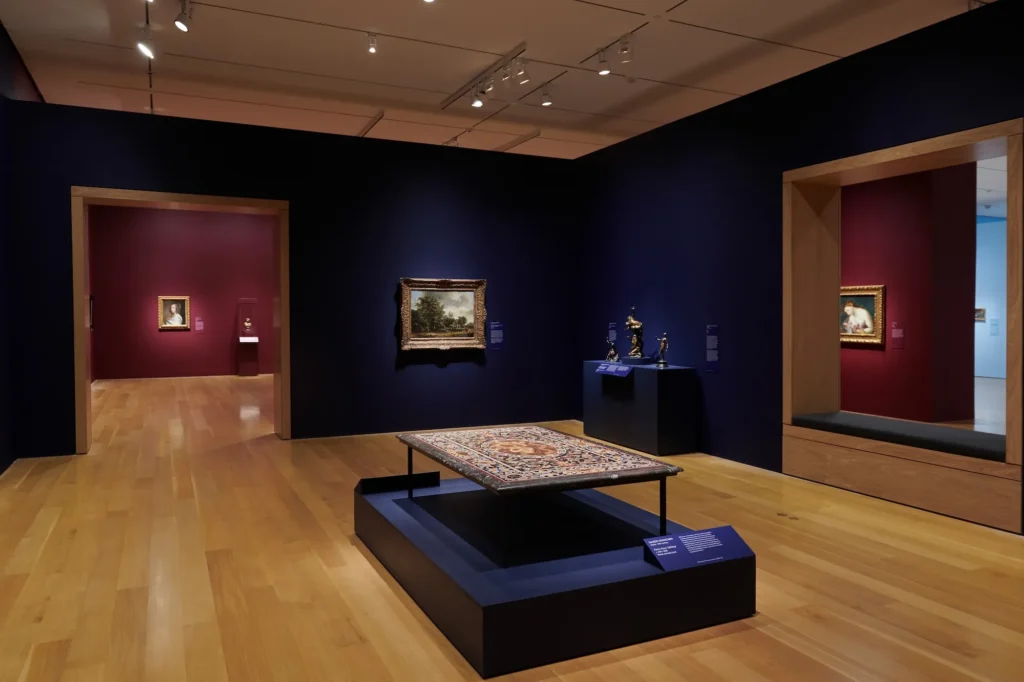
Despite the permanent gallery opening being several years away, visitors do not have to wait until 2028 to see the collection. The Clark has launched an exhibition titled “An Exquisite Eye: Introducing the Aso O. Tavitian Collection”, which allows visitors an early peek into approximately 150 artworks from the gift. Being hosted during February of 2027, the exhibition offers audiences the opportunity to explore a few selections from one of the most important private collections of European art assembled in recent decades. The pieces selected have been carefully curated to demonstrate the diversity and quality of Tavitian’s private collection. The combination of paintings, sculptures, and drawings from a variety of art periods allows guests to understand how artistic traditions developed across different regions and centuries. Additionally, this preview introduces audiences to the vision behind the future Tavitian Wing, creating excitement for the eventual official opening.
Strengthening the Clark’s Global Standing
The Clark Art Institution has long enjoyed an international reputation for its exceptional collection of various nineteenth-century French paintings by renowned artists and Impressionist masters. The introduction of new pieces from Tavitian’s collection increases their reputation, as they have expanded to include Renaissance, Baroque, Dutch, Flemish, and eighteenth-century European art. This expanded historical range allows the Clark to present a far more comprehensive narrative of European artistic development. Additionally, the inclusion of Tavitian’s sculptures more than doubles the museum’s sculpture collection, enriching its opportunities for exhibitions and comparative research. Beyond just visitors, the new collection benefits students, researchers, and art historians, as it produces new possibilities for studying artistic networks and conservation techniques.
The Importance of Private Collectors
Museums have long depended upon visionary collectors to help place valuable artworks into the public eye. Many modern museums were built through similar acts of philanthropy, transforming personal collections into public pieces accessible to the world. The Tavitian gift continues this tradition while reflecting a modern understanding of artistic stewardship. Rather than simply donating artworks, the gift includes substantial financial support, recognising that these collections require long-term investment due to conservation, scholarly research and specialist staffing, which all demand sustained resources. Consequently, by offering a combination of both artworks and financial aid, the gift provides the Clark with both artistic treasures and the means to preserve them responsibly.
Expanding Opportunities for Scholarship
One of the less visible but equally important aspects of the Tavitian gift is its contribution to academic research. The Clark has long combined museum exhibitions with scholarships through its research programs and partnership with Williams College. The introduction of new artworks opens fresh opportunities for research into attribution, provenance, artistic techniques, collecting history, and conservation science.
Many of the artworks in Tavitian’s collection have received limited scholarly attention compared with other publicly held artworks in museums. As these pieces become accessible for research, new opportunities for discovery can emerge.
An Investment in the Future
The new galleries promise to offer richer educational programs and public exhibitions, reinforcing Clark’s identity as both a research institution and a public museum.
Written By: Leah Kim
Published On: 20th July 2026