
The Rolex Swan Cup has always had a particular place in competitive sailing. It’s not just a regatta; it’s a celebration of the craftsmanship and performance behind some of the world’s most iconic sailing yachts, and of the people who’ve built their lives around them. This September, the event returns to Porto Cervo, Sardinia, for what’s shaping up to be its biggest edition yet.
The 2026 Rolex Swan Cup is set to bring in the largest fleet in the event’s history, a real milestone for both Finnish builder Nautor Swan and sailing more broadly. Record turnout, new yacht classes, a growing global base of Swan owners, this year’s regatta says a lot about how much life is still left in one of sailing’s most respected names.
Against the Costa Smeralda backdrop, sailors from around the world will spend a week racing hard while also getting a taste of the camaraderie and lifestyle that’s always been part of the Swan experience.
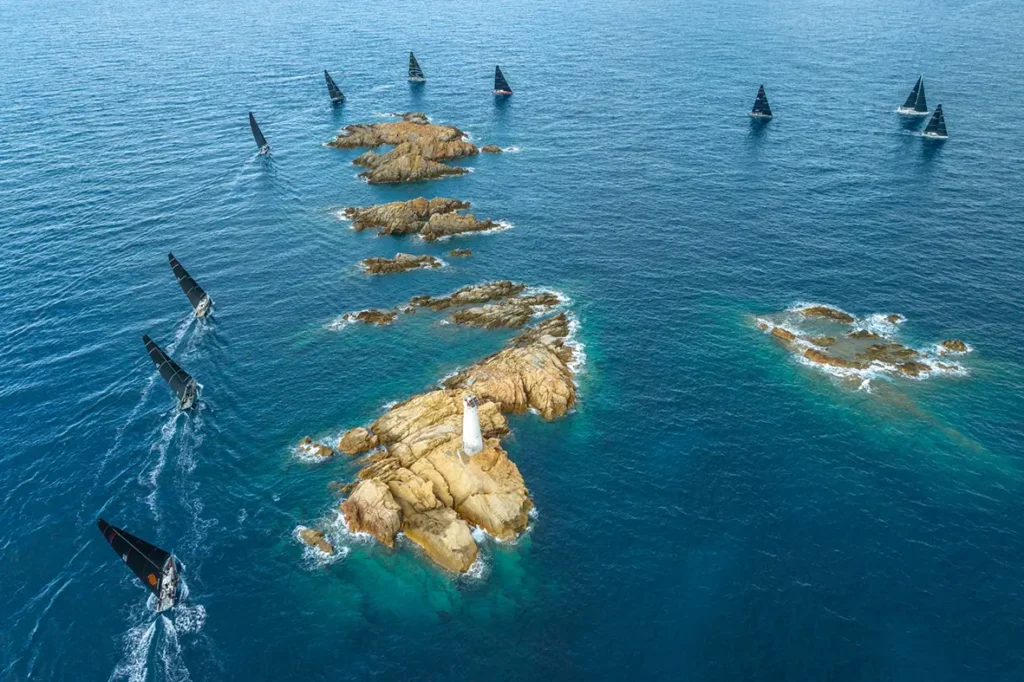
A Legacy Spanning Nearly Six Decades
Since the first Swan yachts launched in the late 1960s, Nautor Swan has built a name on yachts that manage to be genuinely competitive racers and comfortable long-distance cruisers at the same time. Sailors and collectors have chased that combination for decades.
The Rolex Swan Cup grew out of a need to bring that community together. Over the years it’s become one of sailing’s most prestigious owner-only regattas, pulling in both serious racing crews and amateurs who just love the boats.
Most professional sailing events are all about elite racing and nothing else. The Swan Cup isn’t. It balances real competition with actual social connection, and owners tend to come back year after year, which builds a strange mix of old friendships and genuine on-water rivalry.
That combination is a big part of why it’s become one of the defining events on the sailing calendar.
Record Numbers Reflect Swan’s Growing Popularity
The big story for 2026 is the fleet size. More Swan yachts than ever are expected in Porto Cervo, which says something about how much the global Swan fleet has grown. Both the classic and modern models are pulling in stronger owner engagement and more interest in organised racing.
For Nautor Swan, that record turnout means more than good attendance numbers. It shows the company maintains relevance in a genuinely crowded luxury yacht market, and is still pulling in new owners generation after generation. Swan isn’t chasing mass-market volume. It’s built its niche on craftsmanship and engineering that holds up, and a lot of its boats are still genuinely competitive decades after they were built, which is why classic yachts end up racing right alongside the newest performance models. That mix is expected to be one of the highlights of this year’s event.
Porto Cervo: A Natural Home for Swan Racing
Not many places are as tied to luxury sailing as Porto Cervo. Sitting on Sardinia’s northeastern coast, the harbour has basically become shorthand for world-class yachting. Protected waters, dependable September winds, and scenery that doesn’t hurt either, all of which have made it one of Europe’s best sailing spots. The long partnership with the Yacht Club Costa Smeralda matters too, since their race management and facilities have helped push the Swan Cup into being one of the sport’s benchmark events.
The race area itself is genuinely tricky. Competitors have to deal with shifting wind, changing currents and the complicated geography of the La Maddalena archipelago, all while still handling the boat precisely. It rewards teamwork and local knowledge as much as raw speed. And for anyone just watching from shore, the Costa Smeralda is about as good a backdrop as international yacht racing gets.
Rolex Continues a Storied Partnership
The Rolex Swan Cup also reflects one of the longest relationships in sport. Rolex has backed major sailing events for decades, always gravitating toward competitions built around precision and tradition. Its partnership with Nautor Swan has become one of the most recognisable pairings in competitive sailing.
Both brands care about the same things: craftsmanship, quality that lasts, and performance under real pressure. That shared outlook is a big part of why the Swan Cup carries so much weight as an owner regatta. Like most Rolex-associated events, winning here means more than the trophy. It puts a crew alongside generations of sailors who’ve raced in Porto Cervo across nearly four decades.
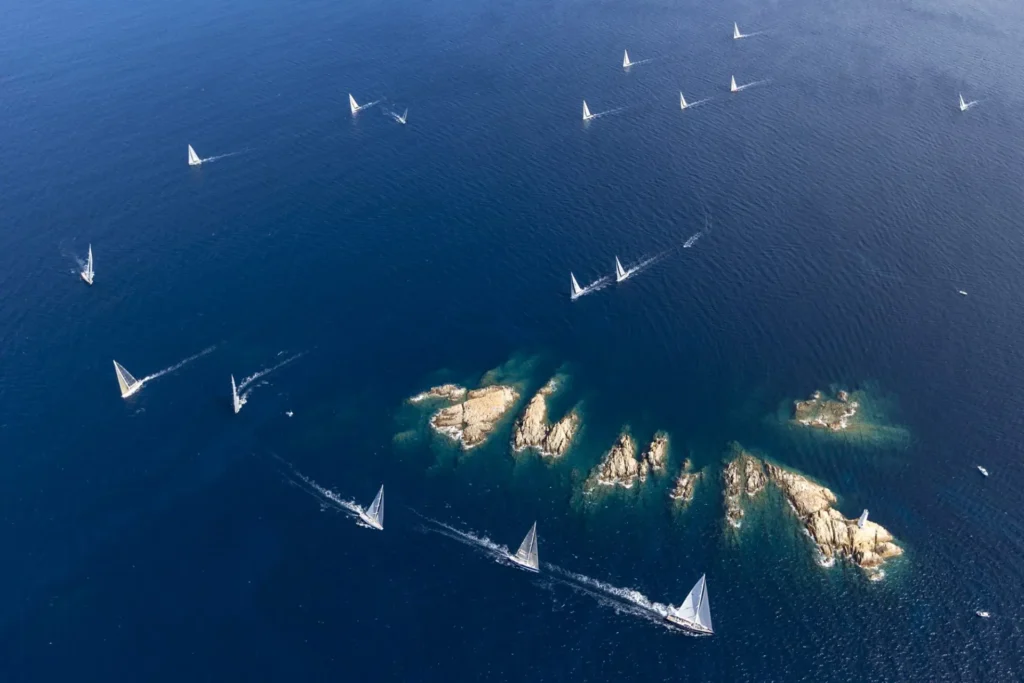
Racing Across Multiple Classes
What sets the Rolex Swan Cup apart is the range of boats on the water. Instead of one design, the regatta brings together Swan models spanning decades of production, with modern performance yachts racing next to carefully maintained classics, grouped into classes to keep things fair.
That’s part of what makes Swan’s design work so impressive. A lot of older yachts still perform genuinely well because they were built solidly in the first place and have been well maintained since. The event ends up celebrating both cutting-edge design and the older boats that just refuse to become obsolete. Some of the newest performance Swans are also expected to draw a lot of attention this year, as owners test them against long-established rivals.
More Than Just Competition
Racing is the centrepiece, sure, but the Rolex Swan Cup has never really been just about who crosses the line first. It works as an annual gathering for the whole Swan community, owners, professional sailors, designers, builders, industry people, all in one place. Through race week there’s a steady run of social events, waterfront receptions, prize ceremonies and informal get-togethers that keep the community feeling tight-knit.
For a lot of owners, swapping stories and catching up matters just as much as the racing itself. That’s part of what separates the Rolex Swan Cup from most other international regattas. It’s less a sporting event and more an annual reunion for one of sailing’s most loyal owner groups.
Innovation Meets Tradition
Swan still leans hard on its heritage, but the company hasn’t stood still either. Modern Swan yachts use advanced composites, refined hull shapes, better sail plans and onboard tech that’s improved a lot over the years, all in service of performance without losing the balance and seaworthiness the brand’s known for.
At the same time, Swan hasn’t chased design trends just to make headlines. It’s stuck with practical performance, structural integrity and styling that ages well over flashy reinvention. The Swan Cup shows that off clearly. You can literally see decades of yacht development sitting side by side on the water, a rare chance to watch how much the technology’s advanced while the character of the boats has stayed remarkably consistent.
A Showcase for Luxury Sailing
Past the racing, the regatta is a real platform for the wider marine industry. Shipyards, equipment makers, sailmakers, marine tech companies and lifestyle brands all get something out of having this many serious yacht owners in one place. For anyone thinking about buying a Swan, it’s also a chance to see the boats actually sailing, not sitting still at a boat show.
Watching a fleet perform under race conditions tells you things about a boat’s engineering that a static display never could. The Rolex Swan Cup ends up being both a genuine sporting event and a meaningful industry showcase.
Sailing’s Enduring Appeal
The Swan Cup’s continued growth comes at an interesting moment for competitive sailing. Newer formats like SailGP and foiling racing have pulled in younger audiences with fast, flashy racing, but traditional yacht racing clearly hasn’t lost its pull among the people who actually love it. Events like this show classic yacht racing still has real staying power.
Tactical racing, real craftsmanship, and locations like this one add up to something genuinely different from the stadium-style sailing that’s gotten more popular lately. It’s not that one is replacing the other. Sailing seems to have room for both, each pulling in its own audience. The Rolex Swan Cup is one of the better examples of that older tradition holding its ground.
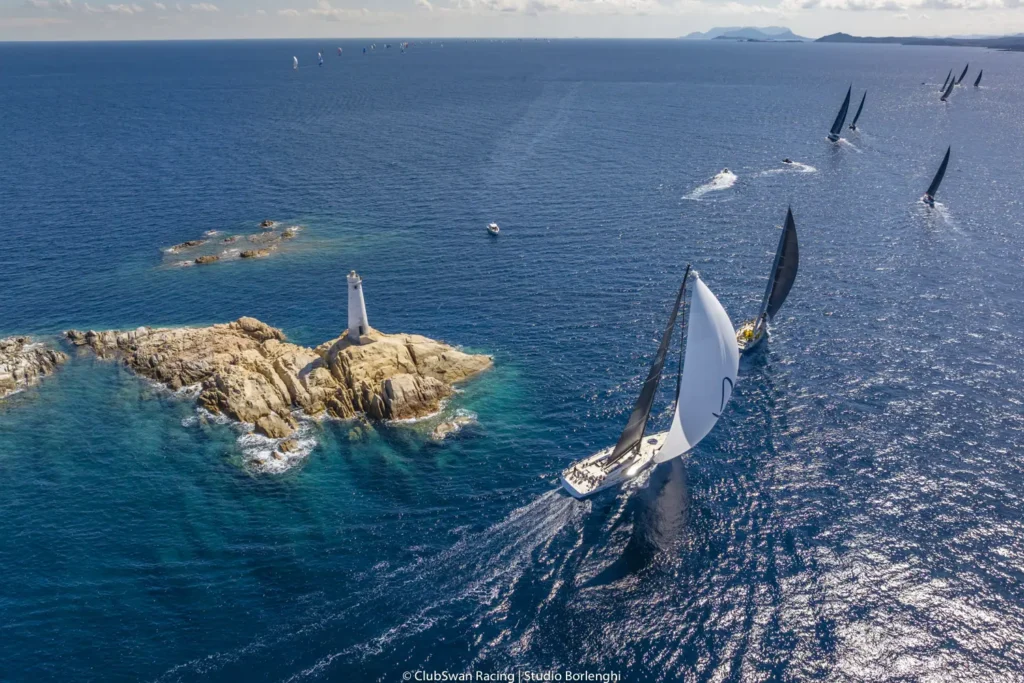
Looking Ahead
The record fleet coming to the 2026 Rolex Swan Cup is more than a good turnout number. It’s the result of decades of careful work from Nautor Swan, years of investment from Rolex, and a global community of owners who just haven’t stopped caring about these boats. When the fleet gathers in Porto Cervo this September, it’ll be marking both a week of racing and close to sixty years of yacht-building.
Whether you’re watching from a competing yacht, the marina, or the Sardinian coastline, this year’s Swan Cup should be a good showcase of what luxury sailing actually looks like at its best. More boats, more international participation, one of the strongest fleets the event’s ever seen- 2026 looks set to be one of the bigger chapters in its history.
For sailors, owners and anyone who just loves watching good boats race, Porto Cervo will once again be the centre of the sailing world for a week, where tradition and new technology sit side by side, and where competition and community end up being pretty much the same thing.
Written By: Leah Kim
Published On: 7th August 2026