
For luxury enthusiasts, the appeal goes far beyond horsepower. Monterey has become a showcase for a modern definition of luxury, one built around rarity, history, personalisation and access. Cars that would normally remain hidden in private collections appear on public roads, while manufacturers reveal new creations to an audience of collectors and enthusiasts. For a few days, the entire Monterey Peninsula becomes a celebration of automotive culture.
A Celebration of Automotive Art
Luxury has always been connected to exclusivity, but at Monterey Car Week, rarity takes on another meaning. Many of the automobiles appearing throughout the week are pieces that cannot simply be ordered from a dealership, regardless of budget. Some have survived for nearly a century, while others were produced in extremely limited numbers. A few have racing histories or connections to famous owners that make them almost impossible to replicate. Throughout the Monterey Peninsula, cars normally hidden inside private collections suddenly appear in public. A classic Ferrari might pass through Carmel-by-the-Sea while a modern Bugatti or Lamborghini waits nearby. Pre-war Bentleys, historic Porsches and limited-production supercars become part of the scenery.
The atmosphere feels completely different from a traditional motor show. Rather than placing vehicles beneath artificial lights inside an exhibition centre, Monterey allows automotive culture to take over an entire destination. Collectors, designers, manufacturers and enthusiasts gather in the same coastal communities, while restaurants, hotels, golf courses and winding roads become meeting places for people united by an appreciation for extraordinary machines.
At the centre of the week is the Pebble Beach Concours d’Elegance, one of the most prestigious events in the collector-car world. In 2026, the Concours celebrates its 75th anniversary, giving this year particular significance. The event takes place on the famous 18th fairway of Pebble Beach Golf Links overlooking the Pacific Ocean, where some of the world’s finest historic automobiles are judged for their design, historical importance, authenticity and restoration. Winning at Pebble Beach is about far more than receiving a trophy. For collectors, it can represent years of research, restoration and careful preservation of automotive history.
Where History Meets Performance
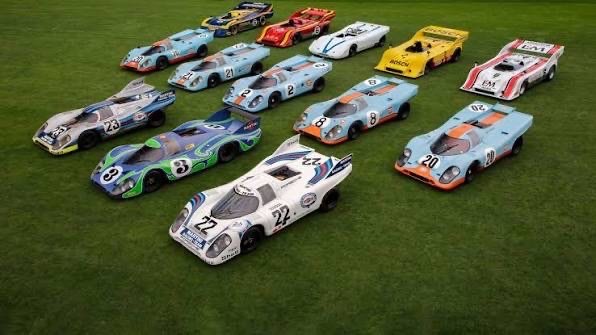
While Pebble Beach celebrates elegance, another side of Monterey is considerably louder. At WeatherTech Raceway Laguna Seca, historic racing machines return to the circuit during the Rolex Monterey Motorsports Reunion. Cars that might otherwise spend their lives inside private garages and museums are given the opportunity to perform in the environment for which they were created. The sound, speed and movement offer a dramatic contrast to the perfectly presented lawns of the concours events.
A visitor can spend the morning examining carefully restored classics and later watch historic competition cars racing around one of America’s most famous circuits. That combination is part of what makes Monterey unique. These vehicles are not treated only as valuable objects to be protected behind ropes. They are celebrated as machines that were designed to move, compete and create excitement.
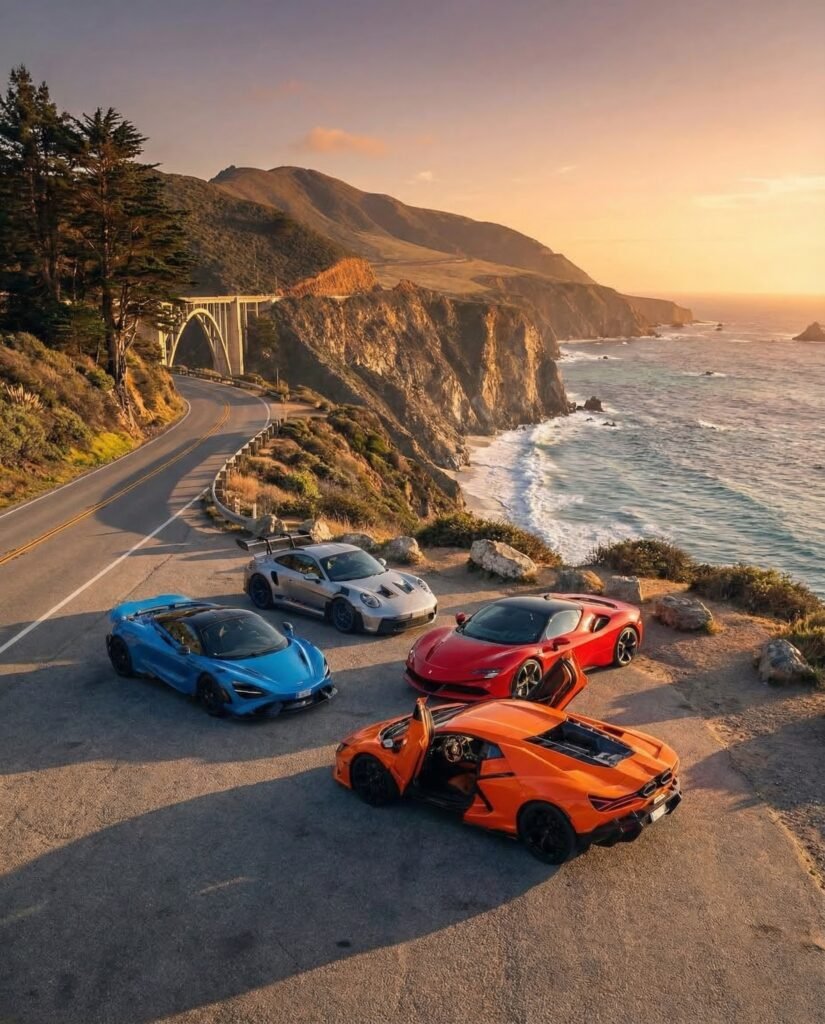
The week also provides manufacturers with an opportunity to connect automotive history with the future. Modern performance brands increasingly use Monterey to present new vehicles because the audience is unlike almost any other. The people attending are not simply spectators. Many are serious collectors, existing clients and potential buyers of some of the world’s most exclusive automobiles. New technology therefore appears alongside machines from completely different eras. Electric performance cars can share the spotlight with racing vehicles built decades before digital technology entered the automobile.
Rather than weakening the celebration of history, this contrast makes Monterey more interesting. It creates a conversation about what makes a car valuable and which vehicles being produced today might become the classics of tomorrow. The cars may come from completely different generations, but they are connected by ambitious engineering, distinctive design and the desire to create something memorable.
The Million-Dollar World of Collecting
Behind the beauty and excitement of Monterey Car Week is an enormous collector economy. Major auction houses use the week to offer some of the rarest automobiles available on the international market. Buyers travel from around the world, and bidding can reach millions of dollars when the right car appears. At this level, purchasing a car is not always simply about transportation or even performance. Provenance becomes crucial. A vehicle may be desirable because of its racing history, original specification, rarity, previous ownership or association with an important moment in automotive culture.
This is where collector cars begin to resemble fine art. A significant painting is valuable partly because it cannot be recreated, and the same principle applies to an important automobile. A manufacturer might build a modern interpretation of a historic model, but it cannot reproduce the exact history of a car that competed in a famous race, belonged to a celebrated personality or represented an important moment in automotive design. Two cars that appear almost identical can therefore have dramatically different values because of the stories attached to them.
The financial stakes have helped turn Monterey into one of the most closely watched periods of the collector-car calendar. Auction results can influence perceptions of particular marques and models, while record sales attract attention far beyond the traditional automotive world. Yet investment is only one part of the appeal. For many serious collectors, ownership is deeply emotional. These machines can represent childhood dreams, family memories, engineering achievements and particular moments in design history. The best collections are therefore not simply expensive groups of automobiles. They tell stories about the people who created, raced, owned and preserved them.
The New Meaning of Automotive Luxury
Perhaps the most interesting part of Monterey Car Week is what it reveals about the changing definition of luxury. For decades, luxury was often measured through price and visible status. Today, many consumers at the highest end of the market increasingly value experiences, craftsmanship, personalisation and access. The modern hypercar reflects this shift perfectly. Production numbers can be extremely small, customers may work directly with manufacturers to select materials and colours, and some vehicles are created specifically for established clients. Access to the rarest models can sometimes depend on a buyer’s existing relationship with a brand.
In this sense, the hypercar world increasingly resembles haute couture. The product matters, but so does the experience surrounding it. Private previews, factory visits, track events and personal relationships with designers can all become part of ownership. Monterey brings this entire world together in one location. The cars provide the spectacle, but the surrounding experiences create much of the emotional value. Coastal drives, private dinners, auctions, racing and conversations between collectors transform the week into something that cannot be recreated simply by purchasing an expensive vehicle.
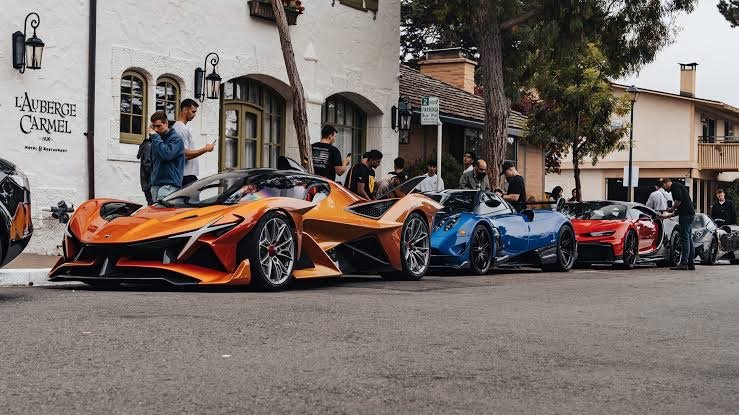
Automobiles are particularly suited to this form of experiential luxury. A painting can be admired and a watch can be worn, but a great car changes the moment its engine starts and the road opens ahead. For several days each August, the Monterey Peninsula becomes a living museum of automotive culture. Pre-war masterpieces sit alongside racing legends, analogue supercars and advanced machines pointing toward the future.
Some cars will leave with trophies, while others will change owners for remarkable sums before returning to carefully maintained private collections around the world. Yet the true attraction of Monterey Car Week is not simply the value of the cars. It is the rare opportunity to see automotive history moving. Along California’s spectacular coastline, some of the world’s most extraordinary automobiles are taken out of garages, brought together and celebrated for what they represent: craftsmanship, ambition, beauty and the enduring desire to create something exceptional.
Written By: Mia Quisumbing
Published On: 12th August 2026