
The art world marks the passing of Agustín Machado, an artist whose work extended far beyond the boundaries of traditional practice. Known for his presence in the Whitney Biennial and his role as a cultural voice, Machado’s legacy lies not only in his artistic output but in his commitment to activism, identity, and social dialogue.
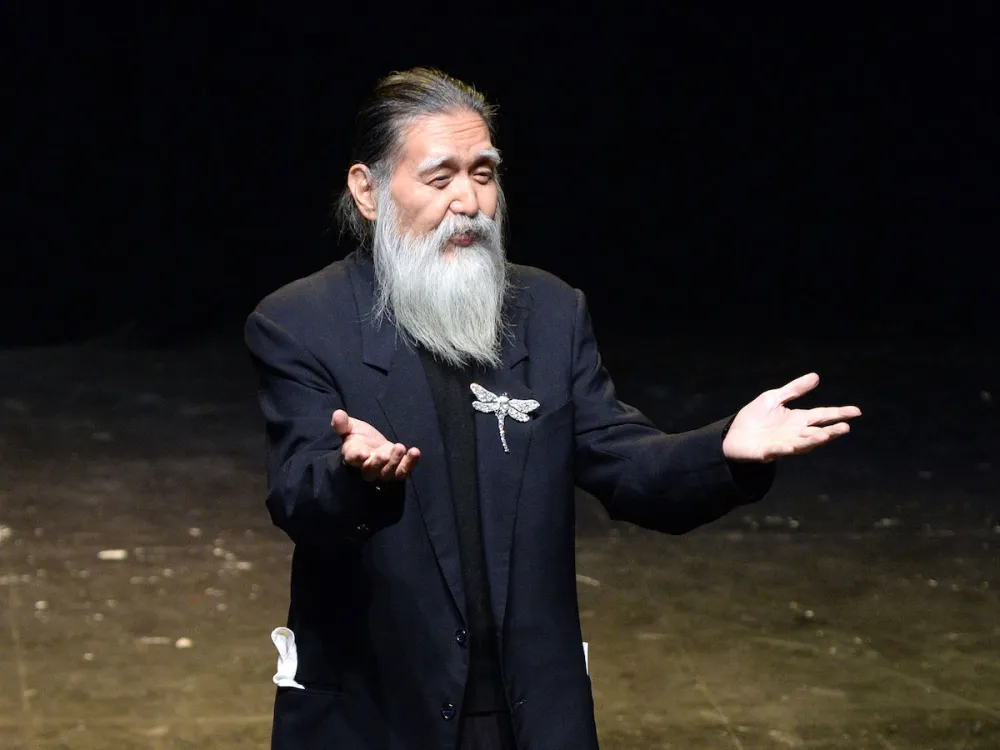
His work stood at the intersection of art and advocacy, reflecting a belief that creative expression can shape cultural narratives and challenge societal structures.
Art as a Form of Activism

Throughout his career, Machado approached art as a platform for engagement rather than observation. His work addressed themes of identity, marginalisation, and political consciousness, often drawing from lived experience and collective histories.
Rather than separating art from activism, Machado integrated the two. His practice encouraged audiences to reconsider the role of art within contemporary society, not as a passive experience, but as a catalyst for reflection and change.
This perspective positioned him within a broader movement of artists who use their work to engage with social and political issues.
A Voice Within Contemporary Art
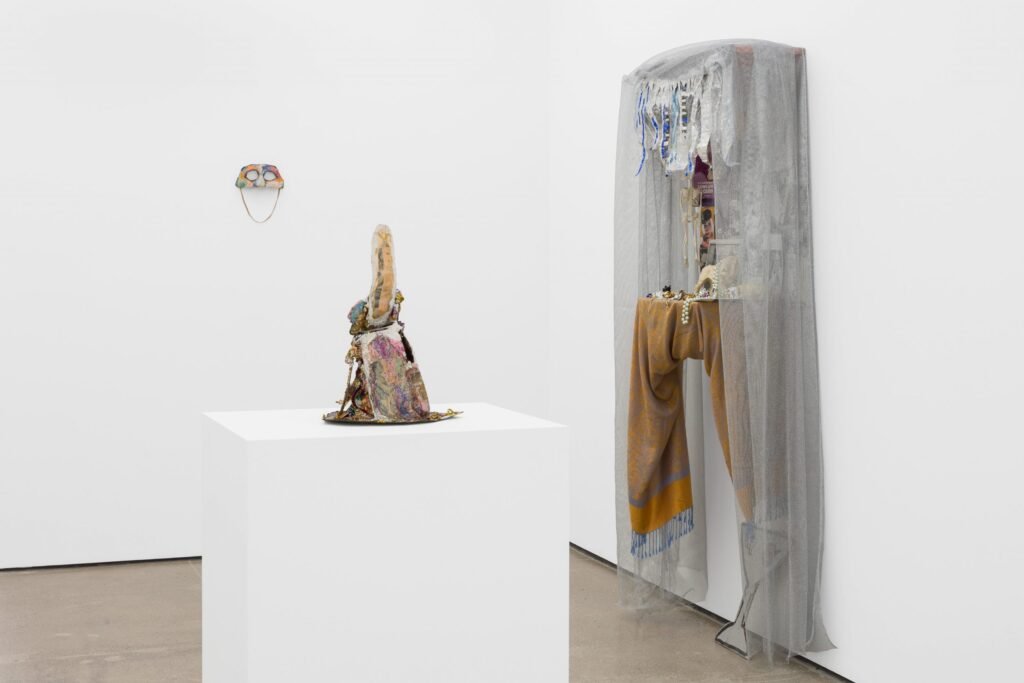
Machado gained wider recognition through his participation in the Whitney Biennial, one of the most influential platforms for contemporary art in the United States.
His inclusion in the exhibition highlighted the relevance of his work within current artistic discourse. The Biennial has long served as a space for emerging and established artists to present ideas that reflect the complexities of modern life.
Machado’s contributions aligned with this mission. His work offered a perspective shaped by both personal experience and broader cultural narratives, making his voice particularly resonant within the exhibition.
Themes of Identity and Representation
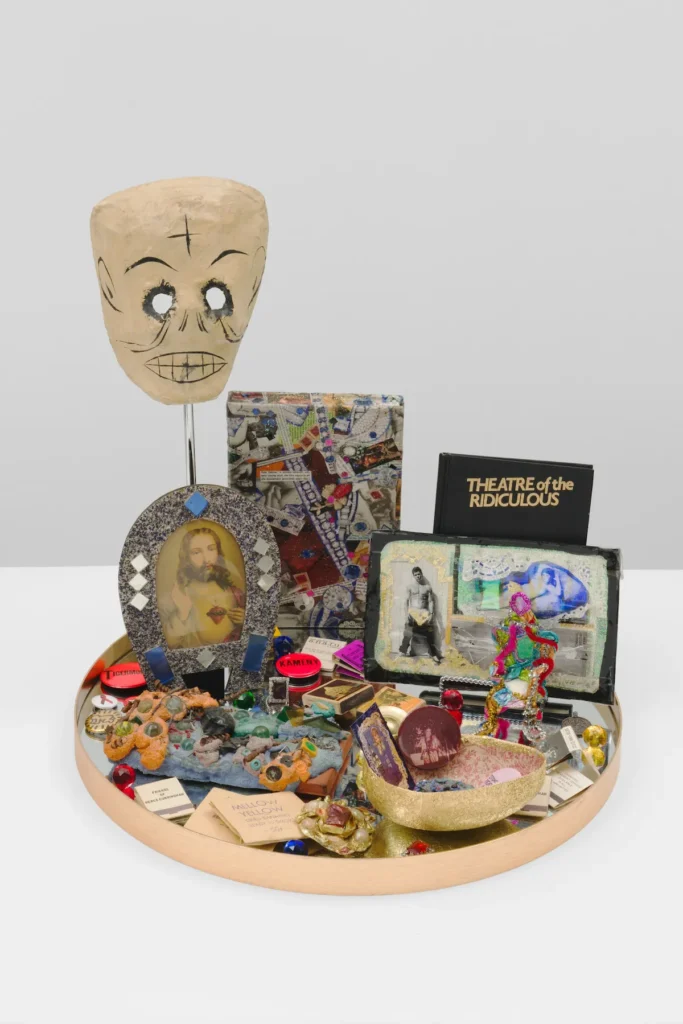
Central to Machado’s practice was an exploration of identity. His work often examined the ways in which individuals and communities navigate systems of representation and visibility.
Through various mediums, he created pieces that challenged dominant narratives and brought attention to voices that are frequently overlooked.
This focus on identity was not limited to personal expression. Instead, it extended to collective experiences, highlighting the interconnected nature of culture, politics, and society.
By doing so, Machado contributed to ongoing conversations about representation within the art world.
The Impact of Cultural Engagement

Machado’s influence extends beyond the gallery space. As an artist-activist, he engaged with communities and cultural institutions in ways that expanded the reach of his work.
His practice demonstrated that art can function as a form of dialogue, one that invites participation and encourages critical thinking.
This approach reflects a broader shift in contemporary art, where the boundaries between artist, audience, and institution continue to evolve.
Machado’s work exemplified this shift, positioning him as a figure whose impact cannot be confined to a single medium or space.
A Lasting Legacy
The passing of Agustín Machado marks a significant moment for the contemporary art community. His work leaves behind a legacy defined by both artistic innovation and social engagement.
As conversations around identity, activism, and representation continue to shape the art world, Machado’s contributions remain highly relevant.
His practice serves as a reminder of the potential for art to influence not only cultural discourse but also broader societal perspectives.
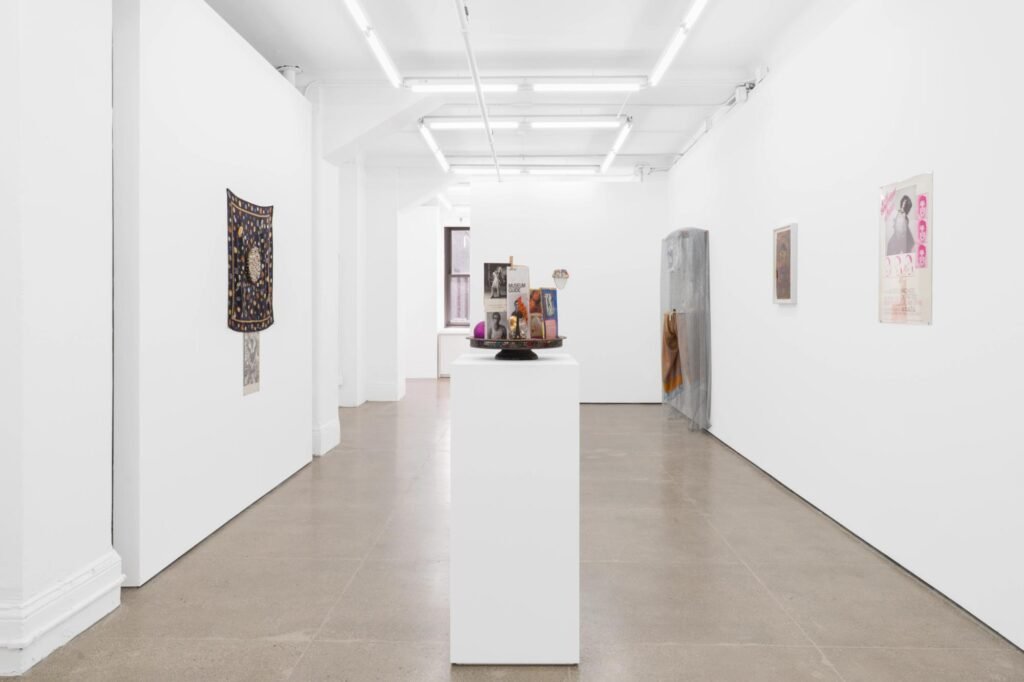
While Machado’s passing represents a loss, his influence continues through the ideas and conversations his work inspired.
The legacy of an artist-activist lies not only in what is created, but in the impact it leaves behind. Machado’s work will continue to resonate within contemporary art, encouraging future generations to explore the relationship between creativity and social change.
Written by: Linh Giang Nguyen
Published on: 23 March 2026