
After nearly 15 years leading Apple, Tim Cook will step down as CEO on September 1, marking a major leadership transition. He will be succeeded by longtime Apple executive John Ternus, while remaining involved as executive chairman. The shift signals both continuity and change for one of the world’s most influential technology companies.
The End of a Defining Leadership Era
Apple is entering a pivotal moment in its history as Tim Cook prepares to step down after nearly 15 years as chief executive. Since taking over from Steve Jobs in 2011, Cook has guided the company through a period of unprecedented growth and stability.
His departure, set for September 1, does not mark a full exit. Cook will remain deeply involved in Apple’s future as executive chairman of the board. Even so, the transition represents the end of an era defined by operational excellence, financial expansion, and the steady evolution of Apple’s product ecosystem.
When Cook first assumed the CEO role, he faced intense scrutiny. Jobs had been the visionary face of Apple, known for bold product launches and charismatic presentations. Cook, by contrast, brought a quieter, more methodical leadership style that initially raised questions but ultimately proved highly effective.
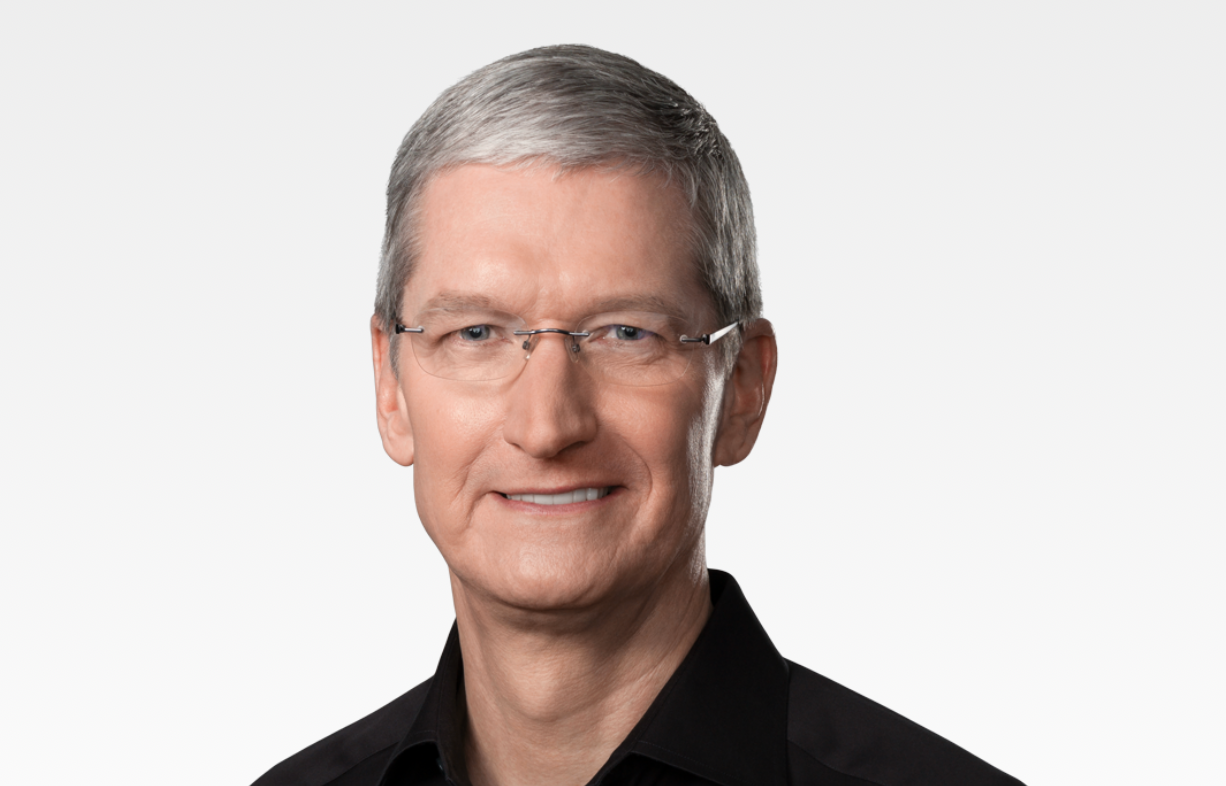
Tim Cook’s Legacy of Growth and Stability
Under Cook’s leadership, Apple reached financial heights that few companies have ever achieved. In 2018, it became the first US company to hit a $1 trillion valuation. It later surpassed $3 trillion in 2022 and crossed the $4 trillion mark in 2025, solidifying its dominance in the global tech industry.
Cook’s impact was not limited to financial performance. He refined Apple’s core products, particularly the iPhone, which remained the company’s most important device. Iterations from the iPhone 5 onward helped maintain Apple’s position at the top of the smartphone market.
He also oversaw the launch of entirely new product categories, including the Apple Watch, AirPods, and Vision Pro. At the same time, Apple expanded aggressively into services, introducing platforms such as Apple Music, Apple TV Plus, and Apple Fitness Plus. These offerings diversified revenue streams and deepened user engagement within Apple’s ecosystem.
From Tech Products to Cultural Symbols
One of Cook’s most notable contributions was transforming Apple devices into cultural markers. The iPhone, already popular when he took over, became a social signal in many markets. Features like iMessage subtly reinforced this divide, distinguishing communication between Apple users and those on other platforms.
The so-called “green bubble” effect became a widely discussed phenomenon, illustrating how Apple’s ecosystem could influence social dynamics. While competitors pushed for more interoperability, Apple maintained its approach, prioritizing the seamless experience within its own platform.
This strategy helped sustain strong demand for Apple products and reinforced brand loyalty. It also demonstrated Cook’s understanding of how technology intersects with culture, not just functionality.
A Broader Vision Beyond Products
Cook’s tenure also marked a shift in how Apple engaged with the world beyond technology. He became more vocal on social and political issues than his predecessor, advocating for privacy, environmental responsibility, and equality.
His leadership style emphasized consistency and long-term thinking. While he did not pursue dramatic, high-risk product bets as frequently as Jobs, he ensured that Apple continued to grow while maintaining its reputation for quality and reliability.
Even smaller details of Apple’s ecosystem reflected this steady approach. For instance, the company’s free iCloud storage tier remained unchanged at 5GB throughout Cook’s entire tenure, even as paid tiers expanded significantly. It became a small but telling example of Apple’s cautious, incremental decision-making in certain areas.
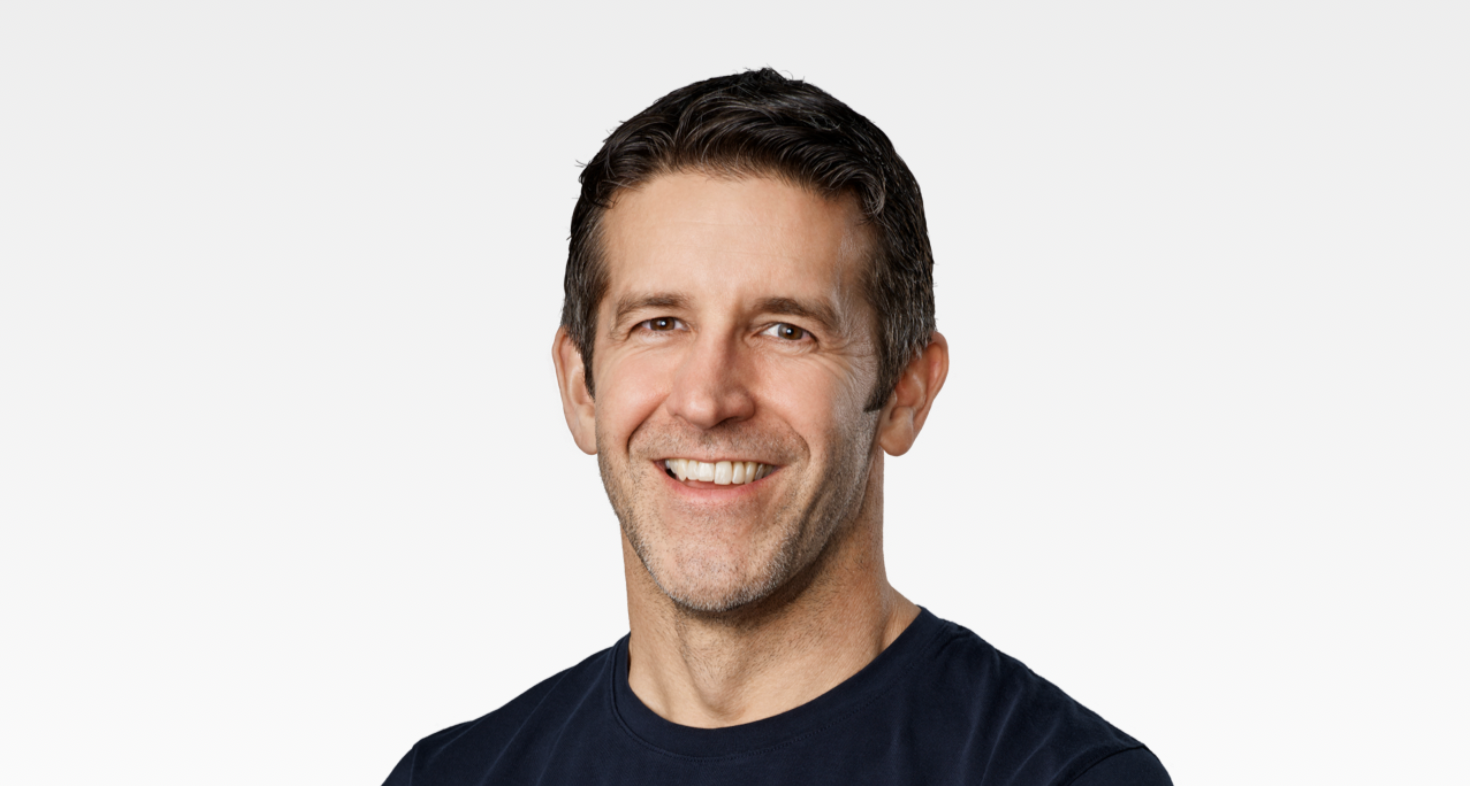
John Ternus Steps Into the Spotlight
As John Ternus prepares to take over as CEO, Apple is turning to a leader with deep technical roots inside the company. Ternus joined Apple in 2001 and has spent more than two decades working on its hardware products.
He played a key role in the development of major devices such as the iPad and AirPods and has overseen Apple’s hardware engineering efforts in recent years. His promotion signals a potential shift toward a more product-focused leadership approach.
Ternus is widely seen as a continuity candidate rather than a disruptive force. His long tenure at Apple suggests that the company will maintain its core philosophy, even as it adapts to new challenges.
The Challenges Facing Apple’s Next CEO
Despite Apple’s strong position, Ternus will inherit a set of complex challenges. One of the most pressing is artificial intelligence. Apple’s AI initiatives have struggled to keep pace with competitors like Google, Microsoft, and OpenAI.
The company’s virtual assistant, Siri, has seen slower progress compared to rival platforms, and Apple’s broader AI ecosystem remains underdeveloped. Addressing this gap will be critical as AI becomes increasingly central to consumer technology.
Regulatory pressure is another major concern. Authorities in both the United States and the European Union have scrutinized Apple’s tightly controlled ecosystem, raising antitrust concerns. Navigating these legal and political challenges will require careful strategy.
Additionally, Apple continues to diversify its manufacturing operations. Moving production beyond China to countries like India and Vietnam is a long-term effort that involves logistical complexity and geopolitical considerations.
Maintaining Innovation in a Changing Landscape
Perhaps the most significant challenge for Ternus will be sustaining Apple’s reputation for innovation. While the company remains highly profitable, some critics argue that its pace of groundbreaking product development has slowed in recent years.
Ternus’s background in hardware engineering could play a key role in addressing these concerns. His experience suggests a strong focus on product development, which may help Apple explore new categories or refine existing ones in meaningful ways.
At the same time, he will need to balance innovation with the stability that has defined Cook’s tenure. Apple’s success has been built on a combination of reliability, design excellence, and ecosystem integration, all of which must continue to evolve without disruption.
A Carefully Managed Transition
The leadership handoff from Cook to Ternus appears to be one of the most carefully managed transitions in Apple’s history. Unlike the uncertainty that followed Jobs’ departure, this shift is structured to ensure continuity.
Cook’s ongoing role as executive chairman provides a sense of stability, while Ternus’s long history with the company reinforces confidence in its direction. Together, this dual presence may help Apple navigate the challenges ahead while maintaining its core identity.
Looking Ahead
The transition from Tim Cook to John Ternus marks a significant moment for Apple. It reflects both the success of the past and the uncertainty of the future.
Cook leaves behind a company that is stronger, more valuable, and more influential than ever. Ternus now takes on the responsibility of guiding Apple through its next phase, one that will likely be shaped by artificial intelligence, regulatory pressures, and evolving consumer expectations.
Apple has proven its ability to adapt through major leadership changes before. The question now is not whether it will continue to succeed, but how it will redefine itself in the years to come.
Written By: Lydia Kelly
Published: 21st April 2026