
The red carpet at the 2026 Cannes Film Festival looked noticeably different this year. Gone were the exaggerated silhouettes, neon couture gowns, and overt displays of theatrical excess that once dominated celebrity fashion. Instead, Cannes became a sea of black satin, ivory tailoring, soft neutrals, and understated jewellery.
Over the past week, Cannes has unintentionally become the clearest symbol yet of fashion’s growing identity crisis. Luxury brands spent years pushing minimalism as the ultimate sign of sophistication, but now even the industry itself seems fatigued by its own restraint. In a world increasingly driven by virality and spectacle, many are beginning to wonder whether luxury fashion has become too afraid to be memorable.
A Red Carpet Drenched in Black and Beige
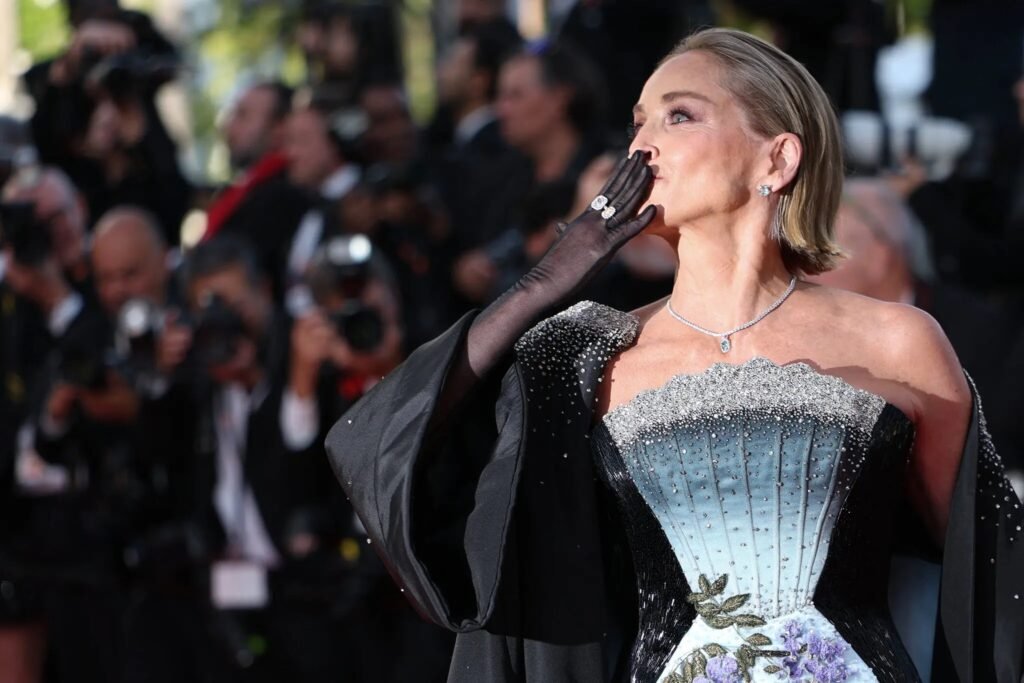
This year’s Cannes Film Festival was filled with major celebrity appearances. Bella Hadid, Cate Blanchett, Kristen Stewart, and Scarlett Johansson all arrived wearing refined monochromatic looks that aligned perfectly with fashion’s continuing obsession with minimalism. The dominance of grayscale dressing became so overwhelming that fashion publications immediately began commenting on it. Critics described the carpets as visually “safe” and emotionally restrained, reflecting the wider influence of quiet luxury aesthetics that have dominated fashion since the early 2020s.
Even Bella Hadid, long associated with dramatic couture moments at Cannes, arrived this year in vintage Prada sportswear rather than a theatrical gown. Meanwhile, celebrities leaned heavily into sleek tailoring, soft makeup, restrained accessories, and muted palettes instead of statement dressing. The aesthetic reflects a broader movement across luxury fashion. Following years of economic uncertainty and the rise of “old money” internet culture, brands increasingly embraced subtlety over extravagance. Flashiness became associated with bad taste, while understatement became synonymous with wealth.
Why Quiet Luxury Became So Powerful
The rise of quiet luxury was never really about clothing alone. It represented a cultural mood. After years of hyper visible influencer culture and logo driven fashion, consumers became drawn toward a more discreet form of wealth. Brands such as The Row, Loro Piana, and Brunello Cucinelli exploded in popularity because they projected effortless privilege rather than obvious status. Television also accelerated the trend. Shows like Succession glamorised billionaires wearing plain cashmere sweaters and unbranded tailoring, turning minimalism into a luxury aspiration itself.
Fashion houses quickly adapted. Logos became smaller, silhouettes became cleaner, and colours became increasingly muted. Social media aesthetics reinforced the movement further through trends like “clean girl beauty,” “old money style,” and neutral toned minimalist wardrobes. By 2026, however, the aesthetic has become almost unavoidable. At Cannes, the uniformity exposed the downside of a trend built entirely around restraint. When everyone dresses understated, individuality begins to disappear.
The Return of Risk in Fashion
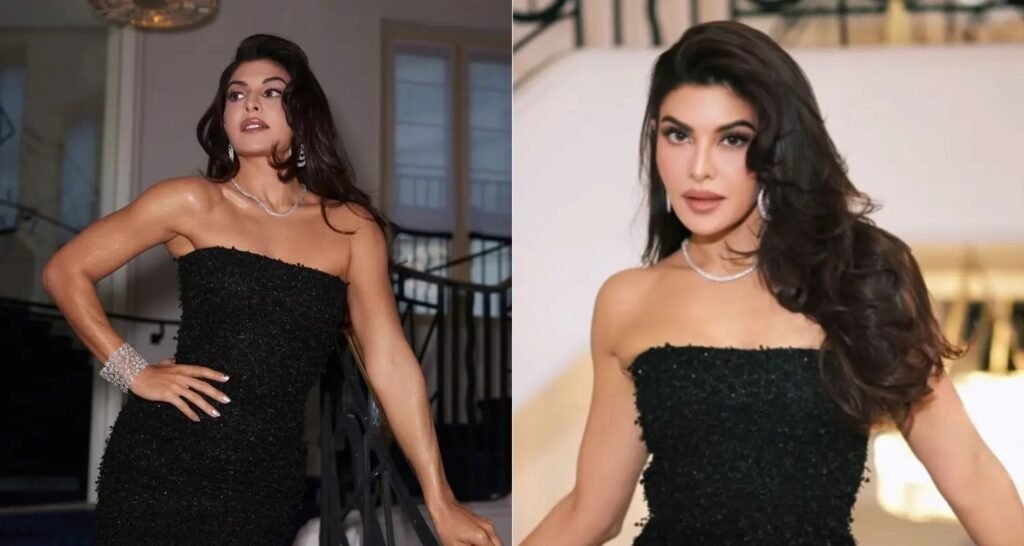
Not everyone at Cannes followed the monochrome formula. A handful of celebrities stood out precisely because they rejected it. Jacqueline Fernandez drew attention in a heavily embellished sequinned black mini dress styled with old Hollywood glamour rather than modern minimalism. Elsewhere, brighter colours and more experimental silhouettes received outsized online engagement simply because they felt unexpected. Fashion critics increasingly argue that audiences are craving emotional dressing again. In a digital environment flooded with carefully curated neutrality, boldness now feels refreshing rather than excessive.
Luxury brands are beginning to notice the shift. Chanel recently returned to growth following the success of Matthieu Blazy’s more expressive collections, which reintroduced texture, colour, and stronger silhouettes into the brand’s image. Analysts have described the consumer response as “Blazy mania,” suggesting shoppers may be moving away from pure minimalism altogether.
At the same time, social media rewards distinctiveness more than subtlety. A dramatic gown, unusual accessory, or unexpected colour palette performs far better online than another beige silk dress photographed against the same red carpet backdrop. Fashion’s relationship with virality is creating pressure for luxury brands to rediscover spectacle.
Luxury’s Identity Crisis
Cannes 2026 ultimately revealed something larger than a seasonal fashion trend. It exposed the tension currently shaping the entire luxury industry. Modern luxury brands are caught between two competing desires. On one side is exclusivity, refinement, and timelessness. On the other is the internet’s constant demand for visibility, novelty, and viral relevance. Quiet luxury solved one problem by distancing fashion from overt consumerism and trend chasing. Yet in doing so, it may have created another issue entirely: emotional flatness. Fashion has always been most powerful when it evokes fantasy, aspiration, and surprise. The danger of extreme minimalism is that eventually nothing stands out anymore.
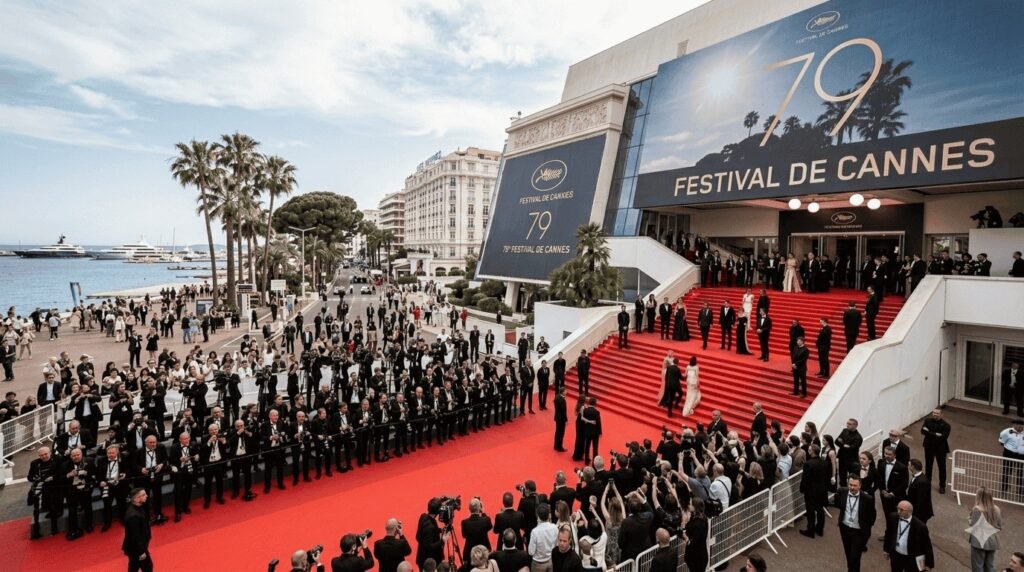
As Cannes comes to a close, one thing feels increasingly clear. The era of pure quiet luxury may already be fading. In its place, fashion appears to be searching for a new balance between elegance and spectacle, restraint and personality.
Written By: Mia Quisumbing
Published On: 20th May 2026