
Rolex has increased prices on its gold watches for the second time in 2026, reflecting rising precious metal costs and continued volatility in global markets. The latest adjustment follows significant increases earlier this year and mirrors a broader trend among luxury watchmakers responding to higher production expenses. Despite the hikes, industry experts believe strong demand and the brand’s enduring desirability will continue to support Rolex’s position at the top of the luxury watch market.
The Crown Tightens Pricing as Demand Remains Strong
Rolex has increased prices on its gold watches for the second time this year, reflecting rising precious metal costs and ongoing market volatility. The latest adjustment follows significant increases introduced at the start of 2026 and highlights a broader trend across the luxury watch industry. Despite higher prices, demand for Rolex timepieces remains exceptionally strong, reinforcing the brand’s position at the pinnacle of global watchmaking.
For luxury watch collectors, the cost of owning a Rolex has once again moved higher.
The Swiss watchmaker has reportedly implemented a fresh round of price increases across its gold timepiece collection, marking the second adjustment of 2026. The move comes as gold prices continue to fluctuate amid geopolitical uncertainty, inflationary pressures and broader shifts in global financial markets.
While annual price increases are common within the luxury watch industry, a second increase within the same year is far less frequent. Yet for Rolex, a brand whose demand consistently exceeds supply, the latest adjustment is unlikely to diminish its appeal among collectors and enthusiasts.
According to industry sources cited by Reuters, Rolex has raised prices on gold watches by an average of 5 percent across major markets this month. The increase follows substantial adjustments introduced at the beginning of the year, when prices rose by approximately 7 percent in the United States and 5.2 percent in the United Kingdom.
The latest move has caught many within the industry by surprise. “No one saw it coming,” said Erik Boneta, founder of Boneta Inc., a certified pre-owned Rolex dealer in the United States.
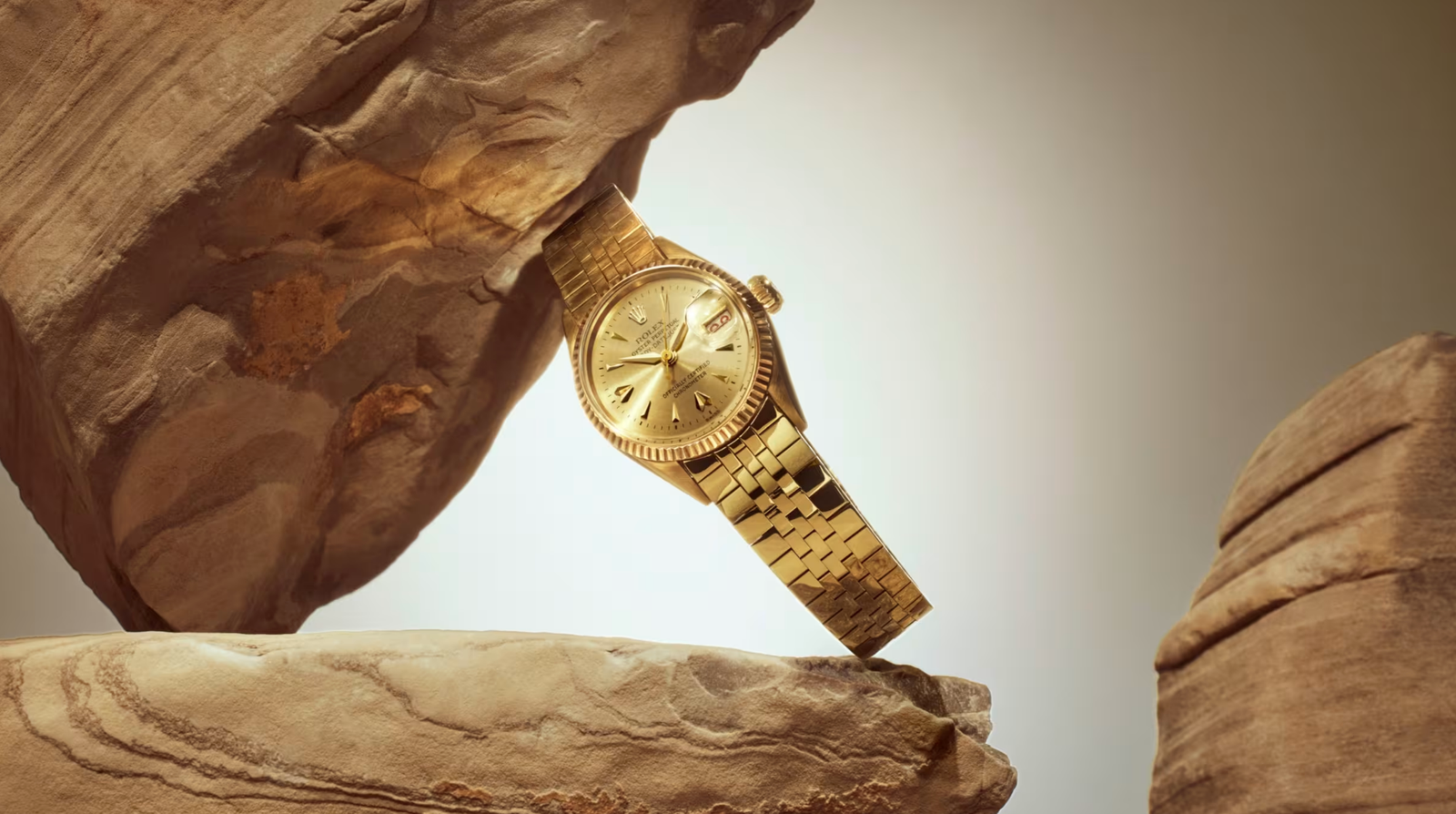
Rising Gold Prices Drive Luxury Watch Costs
The decision reflects a challenge currently facing much of the luxury sector. Gold remains one of the most important raw materials used in high-end watchmaking, particularly for brands whose collections feature precious metal cases, bracelets and components. As the price of gold continues to climb, manufacturers are increasingly being forced to pass a portion of those higher costs on to consumers.
Rolex has historically adjusted pricing in response to changes in currency exchange rates and material costs, typically announcing increases at the start of each year. However, market conditions have become increasingly unpredictable, prompting more frequent reviews of pricing strategies.
The latest increase demonstrates how luxury brands are balancing rising production costs while maintaining profitability and protecting long-term brand value.
An Industry-Wide Trend
Rolex is not alone in revising prices upward. Several major luxury watchmakers have implemented similar increases over the past year as they navigate the same economic pressures. Tudor and Audemars Piguet introduced notable price rises earlier in 2026, while Cartier reportedly increased prices on select gold watches by as much as 10 percent last month.
Richemont, Cartier’s parent company, acknowledged in its annual report that rising gold prices and currency fluctuations had contributed to measured price increases across parts of its portfolio.
The developments highlight a broader reality within luxury watchmaking. As production costs rise, brands are increasingly relying on selective pricing adjustments to preserve margins without compromising craftsmanship, innovation or exclusivity. For consumers, the trend reinforces the growing investment required to enter the world of high-end horology.
Demand Remains Unshaken
Despite the latest price increases, few industry observers expect Rolex demand to weaken. The brand occupies a unique position within luxury, enjoying a level of desirability that few competitors can match. Waiting lists for many of its most sought-after models remain lengthy, while secondary market demand continues to support strong valuations across numerous references.
According to Simon Lazarus, head of PR and content at luxury watch platform Chrono Hunter, brand strength remains the decisive factor. “It comes down to brand desirability,” Lazarus told Reuters. “Rolex has always been the high flyer.”
That enduring appeal has allowed Rolex to navigate changing economic conditions more effectively than many luxury brands. For serious collectors, price increases are often viewed as an accepted consequence of owning one of the industry’s most coveted names. In some cases, rising retail prices can even reinforce perceptions of exclusivity and long-term value retention.
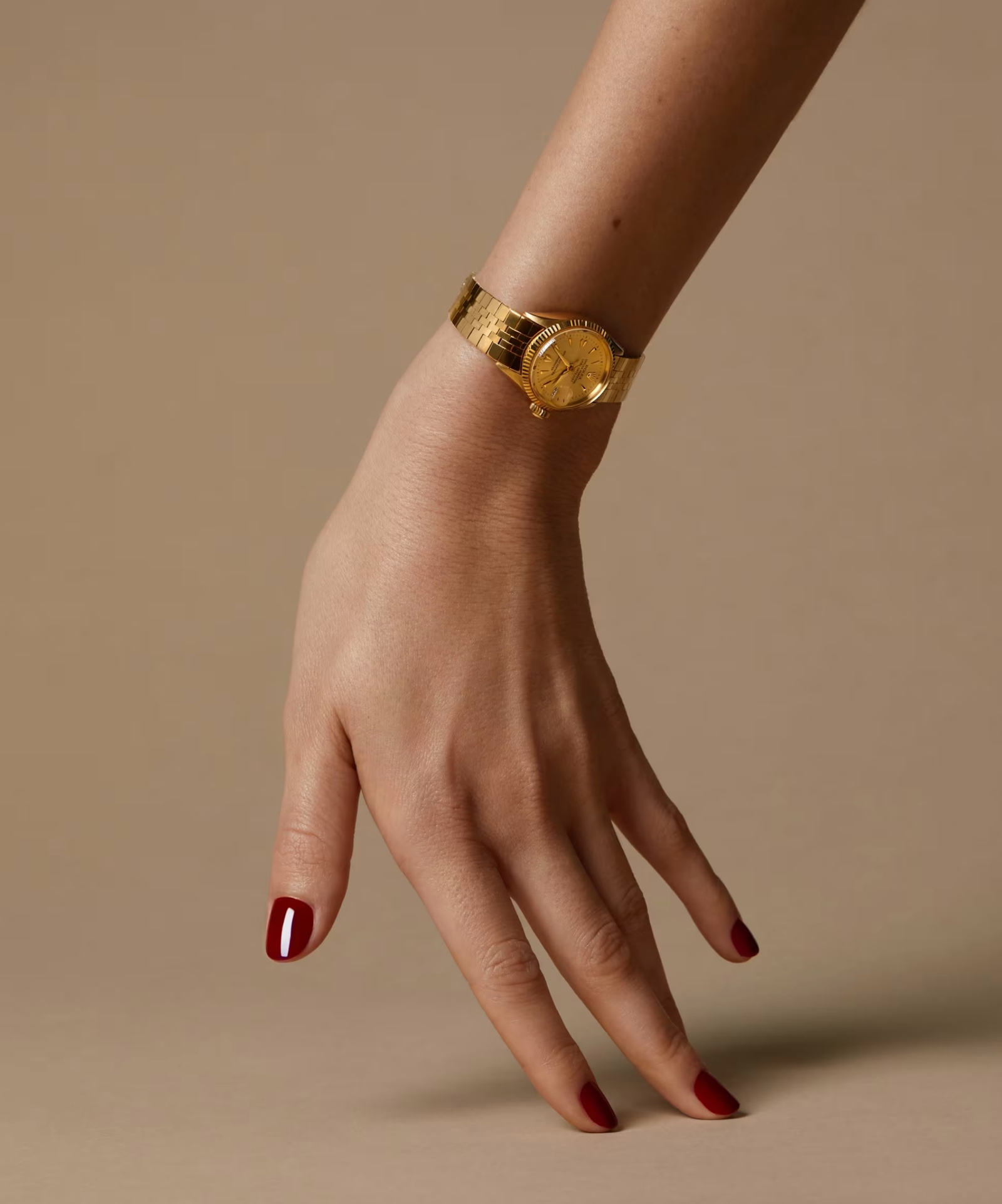
Navigating an Uncertain Global Market
The latest price increase also arrives during a period of significant volatility within the global watch industry.
Swiss luxury watch exports to the United States fell sharply in April, declining more than 56 percent compared with the same period last year. Analysts attribute much of the decline to unusual inventory movements in 2025, when brands accelerated shipments ahead of proposed tariff measures affecting Swiss imports.
While the dramatic drop may appear concerning in isolation, many market observers believe the data reflects temporary fluctuations rather than weakening consumer demand. Jean-Philippe Bertschy, an analyst at Vontobel, has suggested that export figures may continue to fluctuate throughout the year, making short-term trends difficult to interpret.
More broadly, the outlook for Swiss watchmaking remains positive. Luxury watch exports have more than doubled compared with pre-pandemic levels, demonstrating the resilience of the category despite economic uncertainty and shifting global trade dynamics.
The Value of Prestige
For Rolex, the latest increase serves as a reminder of the unique economics that underpin luxury watchmaking. Unlike many consumer goods categories, where higher prices can suppress demand, prestige brands often benefit from a different dynamic. Scarcity, craftsmanship and brand heritage create a perception of value that extends beyond the product itself.
As gold prices continue to rise and economic conditions remain fluid, additional pricing adjustments across the luxury watch sector cannot be ruled out. Yet for Rolex, whose reputation has been built over decades of consistent desirability, the challenge is unlikely to be finding buyers.
Instead, the enduring question remains whether the world’s most sought-after watchmaker can continue producing enough timepieces to satisfy the demand that shows little sign of slowing.
Written By: Lydia Kelly
Published: 16th June 2026