
Luxury fashion is obsessed with momentum, and few houses understand the power of continuity and reinvention quite like Chanel. In an industry shaped by constant creative turnover, Chanel’s appointment of Matthieu Blazy marks a pivotal moment. Known for his cerebral approach to craftsmanship and his sharp sensitivity to contemporary culture, Blazy steps into one of the most closely watched creative roles in global fashion. His arrival signals not rupture but evolution.
A House Built on Codes and Control
Chanel occupies a singular position in luxury. Unlike conglomerate owned peers, the house remains privately held, allowing it to operate with a long term mindset that resists short term trend chasing. Its identity is anchored in recognisable codes tweed, camellias, pearls, quilting and a monochrome palette that communicates instant status. These elements are not merely aesthetic. They function as brand assets, reinforcing consistency across ready to wear, haute couture, beauty and accessories.
Blazy inherits a brand that is commercially formidable but creatively scrutinised. In recent seasons, Chanel’s collections were praised for polish yet sometimes criticised for predictability. For a house built on subtle refinement, the challenge is always how to innovate without diluting recognition. Blazy’s task is not to reinvent Chanel from scratch but to sharpen its relevance in a luxury market increasingly driven by younger, culturally fluent consumers who value craft, authenticity and narrative over overt spectacle.
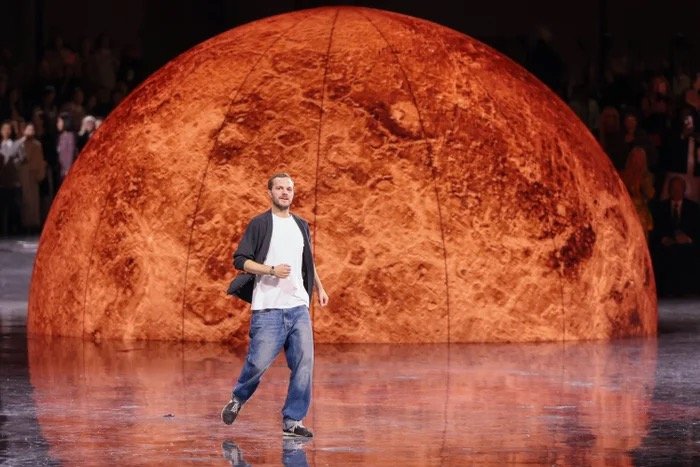
Matthieu Blazy’s Design Philosophy
Blazy’s reputation is rooted in material intelligence. He is celebrated for elevating everyday forms through extraordinary craftsmanship, turning familiar silhouettes into objects of desire through fabric innovation and construction. This approach aligns seamlessly with Chanel’s atelier driven heritage. Rather than chasing theatrical runway moments, Blazy is known for designs that reward close inspection. His work invites consumers to appreciate luxury not as loud branding but as quiet mastery.
Early signals from his leadership suggest a renewed focus on texture, proportion and tactility. Tweed is explored with lighter structures, leather is softened into fluid forms, and tailoring feels relaxed yet precise. These shifts speak to modern luxury sensibilities where comfort, longevity and wearability carry as much prestige as exclusivity. Blazy’s Chanel is less about spectacle and more about intimacy between garment and wearer.
Importantly, Blazy understands the cultural weight of Chanel. He treats its symbols with respect, reframing rather than replacing them. This measured confidence resonates in a market fatigued by constant creative upheaval. In this sense, his vision feels reassuring yet progressive, signalling that Chanel’s future will be shaped by evolution, not disruption.
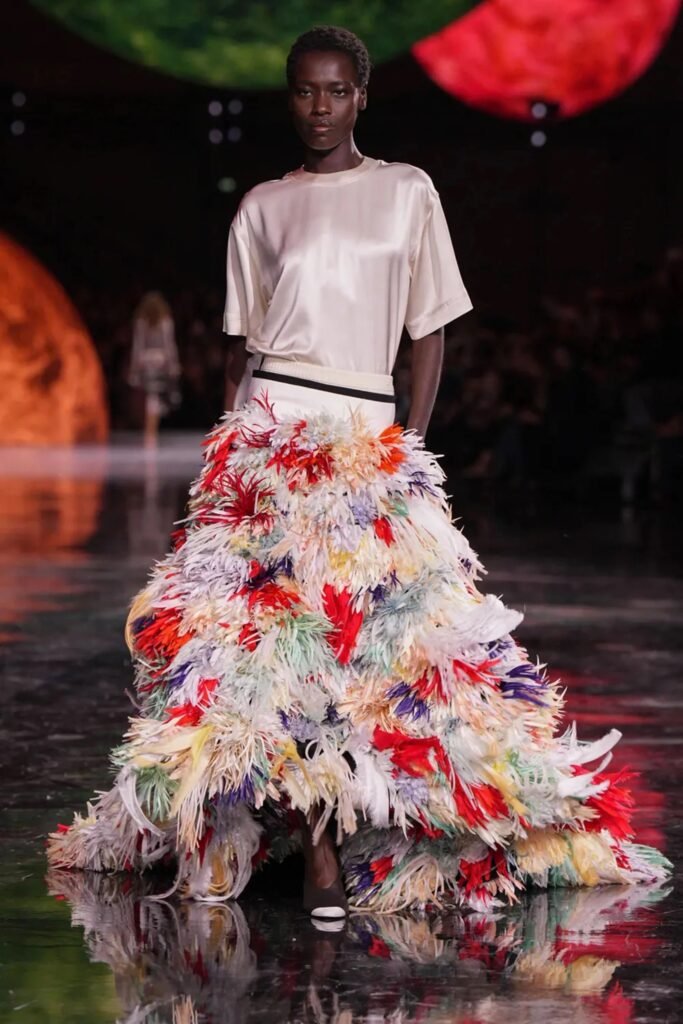
Commercial Strength Meets Creative Renewal
From a business perspective, Chanel enters this new chapter from a position of exceptional strength. The brand continues to post robust revenues across fashion, fragrance and beauty, with accessories such as handbags and shoes acting as major growth drivers. Blazy’s creative direction supports this ecosystem by reinforcing desirability rather than chasing novelty for its own sake.
His emphasis on craftsmanship enhances perceived value at a time when luxury consumers are increasingly critical of pricing. As inflation and economic uncertainty affect discretionary spending, brands must justify their premiums through quality and storytelling. Chanel’s renewed focus on artisanal detail and heritage craftsmanship positions it well against competitors accused of overcommercialisation.
Blazy also brings a contemporary sensibility that translates effectively across digital platforms. His designs photograph beautifully without relying on exaggerated gimmicks, a crucial advantage in an era where collections are consumed first through screens. This visual restraint strengthens Chanel’s image as a house that does not need to shout to be seen.
What this Means for the Future of Luxury
Blazy’s Chanel reflects a broader shift within luxury toward subtlety, permanence and intellectual design. As consumers move away from logo driven excess, houses that foreground craft and authenticity gain cultural capital. Chanel’s strategy under Blazy suggests that true luxury lies in refinement rather than reinvention.
This approach also reinforces Chanel’s independence. While competitors respond rapidly to market fluctuations and viral trends, Chanel continues to move at its own pace. Blazy’s calm, considered design language mirrors this philosophy, strengthening the brand’s authority rather than chasing relevance.
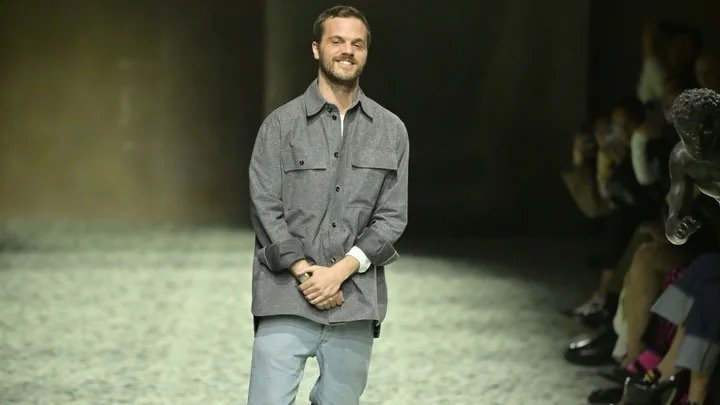
Ultimately, this new creative era positions Chanel as a benchmark for modern luxury leadership. By trusting a designer who values depth over drama, the house demonstrates confidence in its identity and its audience. For an industry often defined by noise, Chanel’s quiet assurance under Matthieu Blazy may prove to be its most powerful statement yet.
Written By: Mia Quisumbing
Published On: 12th February 2025