
Dubai has never been shy about its ambition, but the revival of Palm Jebel Ali marks one of the most assertive moves in its newest era of luxury development. After more than a decade of being put on pause, the mega project returned to the spotlight with a fresh masterplan, a sustainability promise, and renewed demand from global investors hunting for prime waterfront assets. The relaunch has immediately triggered fierce competition among high net worth buyers, institutional investors, and luxury developers. With limited coastline and soaring global appetite for trophy real estate, Palm Jebel Ali is quickly becoming one of the most talked-about property battlegrounds of the year.
A Sleeping Giant Returns to the Market
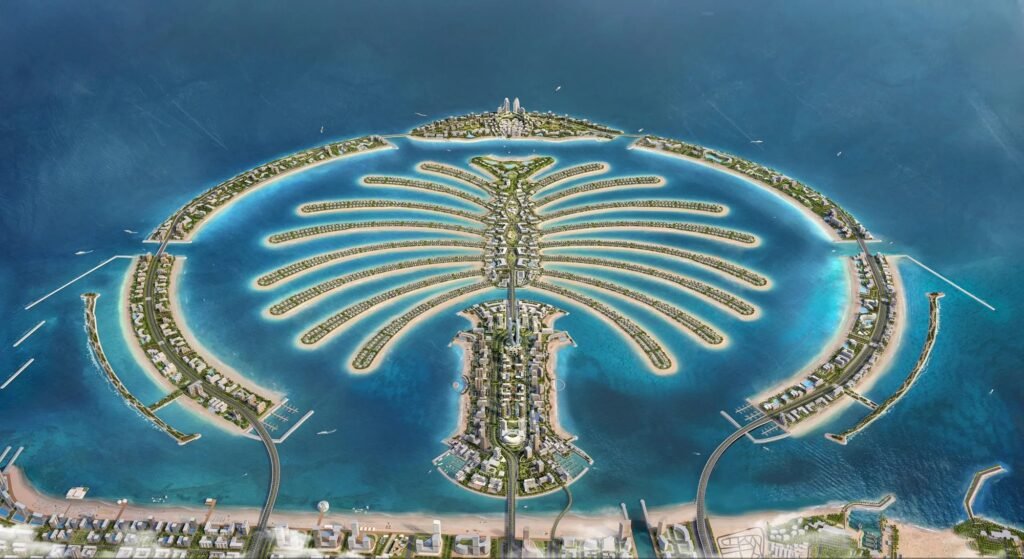
Palm Jebel Ali was once envisioned as the grander twin of Palm Jumeirah, offering far more land, deeper beachfronts, and a wider range of residential and hospitality zones. When the project stalled years ago, many assumed it would remain a relic of Dubai’s pre-2008 hyper-expansion. Instead, the relaunch unveiled a refined vision aligned with Dubai’s long term urban strategy.
Covering more than twice the size of Palm Jumeirah, the revived plan focuses on sustainable communities, smart infrastructure, and ultra luxury living. New renderings highlight expansive villas hugging the shoreline, branded residences anchored by global hospitality names, and retail districts designed to feel like curated lifestyle destinations rather than traditional malls.
This return has reenergized investor confidence. Many see Palm Jebel Ali not only as a real estate play but as a generational asset. With supply of ultra prime coastal property shrinking worldwide, Dubai’s decision to revive one of the largest man made islands on earth has created a rare opportunity during a period of heightened international mobility and wealth redistribution.
The Global Wealth Migration Behind the Frenzy
The land rush triggered by Palm Jebel Ali’s relaunch did not materialize in a vacuum. Over the past few years, Dubai has positioned itself as a magnet for mobile wealth. High net worth individuals from Europe, Asia, and the Middle East have increasingly turned to the city for tax efficiency, lifestyle security, and year round global connectivity.
This inflow of affluent residents has created unprecedented demand for high end property. Palm Jumeirah has seen record breaking villa sales, with some transactions surpassing prices in long established markets like London and Hong Kong. With inventory dwindling on existing islands, the reopening of Palm Jebel Ali arrived like a pressure valve release.
Early sales phases reportedly drew intense interest from buyers who had previously been priced out or who wanted first mover advantage in a new master community poised for rapid appreciation. International funds and developers have also entered the race, seeing long term value in mixed use plots that can accommodate branded residences, waterfront resorts, and lifestyle retail enclaves.
This migration of wealth has amplified the sense that Palm Jebel Ali is not just another development but a strategic cornerstone for Dubai’s next chapter as a global luxury capital.

Sustainability and Design as the New Markers of Luxury
One of the strongest differentiators of the relaunch is its emphasis on sustainable architecture and environmental stewardship. Luxury buyers today are more discerning about the ecological footprint of high end communities, and Palm Jebel Ali aims to meet that expectation with solar powered infrastructure, green mobility pathways, water saving technologies, and extensive urban landscaping.
Developers are integrating contemporary Middle Eastern design with clean lines, high efficiency materials, and modular construction techniques. Villas are planned with panoramic ocean views, shaded outdoor living spaces, and energy efficient cooling systems. The hospitality zones are expected to bring next gen resort experiences that prioritize both indulgence and ecological sensitivity.
This shift aligns with a broader trend in global luxury: wealth does not simply purchase aesthetics anymore. It seeks purpose, longevity, and environmental intelligence. Palm Jebel Ali’s ability to blend scale with sustainability gives it a competitive edge in an era where buyers want properties that represent both luxury and responsibility.
A Billion Dollar Land Grab Reshaping Dubai’s Future
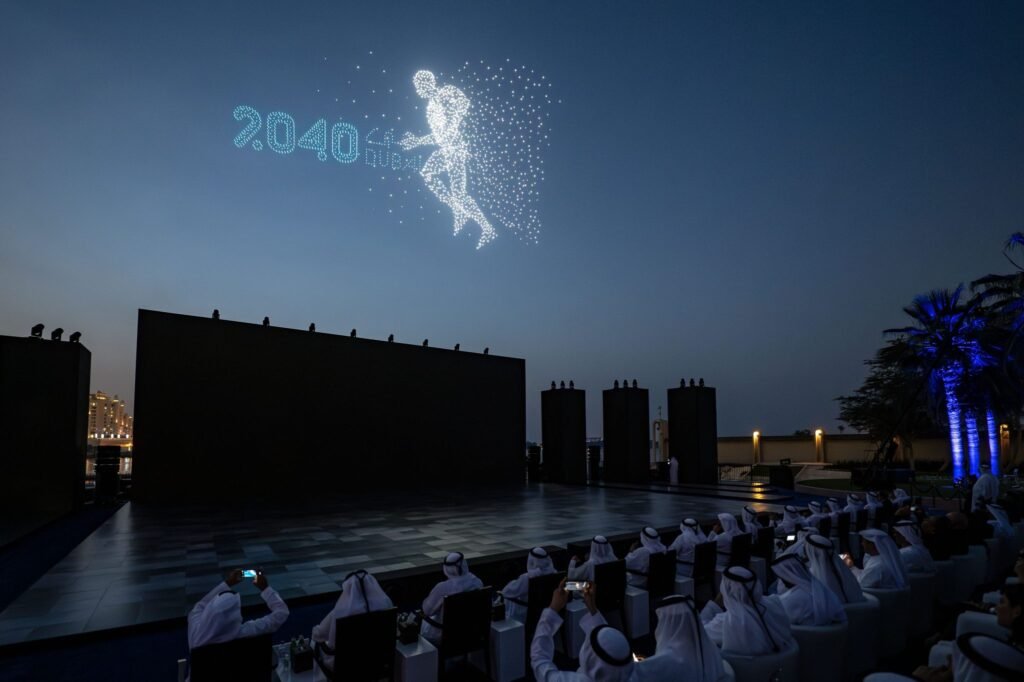
Since the relaunch announcement, the island has become the stage for a billion dollar scramble that shows no signs of slowing. Plots have sold at accelerating prices as investor anticipation builds. Analysts predict that Palm Jebel Ali will become one of the highest growth zones for real estate appreciation in Dubai over the next decade, particularly as supply tightens and the development matures.
The project also has macro level implications. It signals Dubai’s continued commitment to long term expansion, tourism diversification, and population growth. By creating a new luxury district with miles of beachfront, the city is reinforcing its status as a premium global destination capable of competing with iconic waterfront hubs like Miami, Monaco, and Singapore.
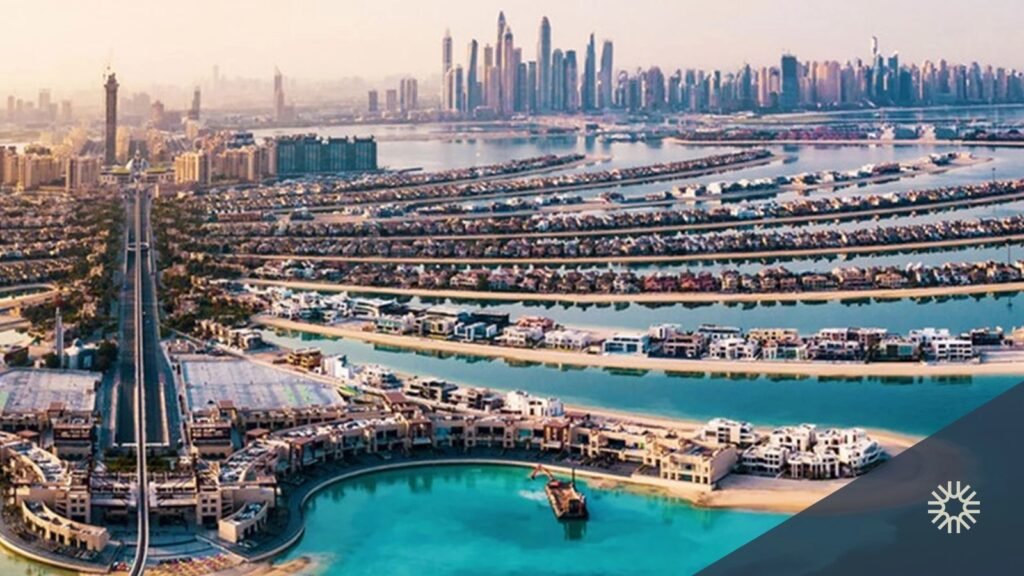
In many ways, Palm Jebel Ali represents Dubai’s confidence in its own future. The city is betting that the global luxury market will remain strong, that international elites will continue relocating, and that high quality coastal udevelopments will only grow scarcer. Investors who are buying now are not only purchasing property. They are buying into Dubai’s vision of what elevated living will look like in the next twenty years.
Written By: Mia Quisumbing
Published On: 10th December 2025