
The Miami Grand Prix has rapidly evolved into more than a race. It is now a convergence of sport, status and sensory excess, where the world’s fastest drivers meet the world’s most discerning audiences. In 2026, that fusion reached new heights, transforming a weekend of motorsport into a fully immersive luxury experience.
A new capital of Formula 1 glamour
Once defined by the enduring prestige of Monaco, Formula 1’s cultural centre of gravity is shifting. The Miami Grand Prix has emerged as a formidable contender, blending high-performance racing with a distinctly American sense of scale and showmanship.
Set against the backdrop of palm-lined streets and relentless energy, Miami offers something different. It is less about tradition and more about momentum. The city does not inherit prestige, it manufactures it in real time.
This year’s race, the fifth edition, arrived with heightened anticipation. Earlier cancellations in the Middle East had disrupted the season, creating a pause that only intensified demand. By the time teams and guests arrived in Florida, the atmosphere was already electric.
The business of access
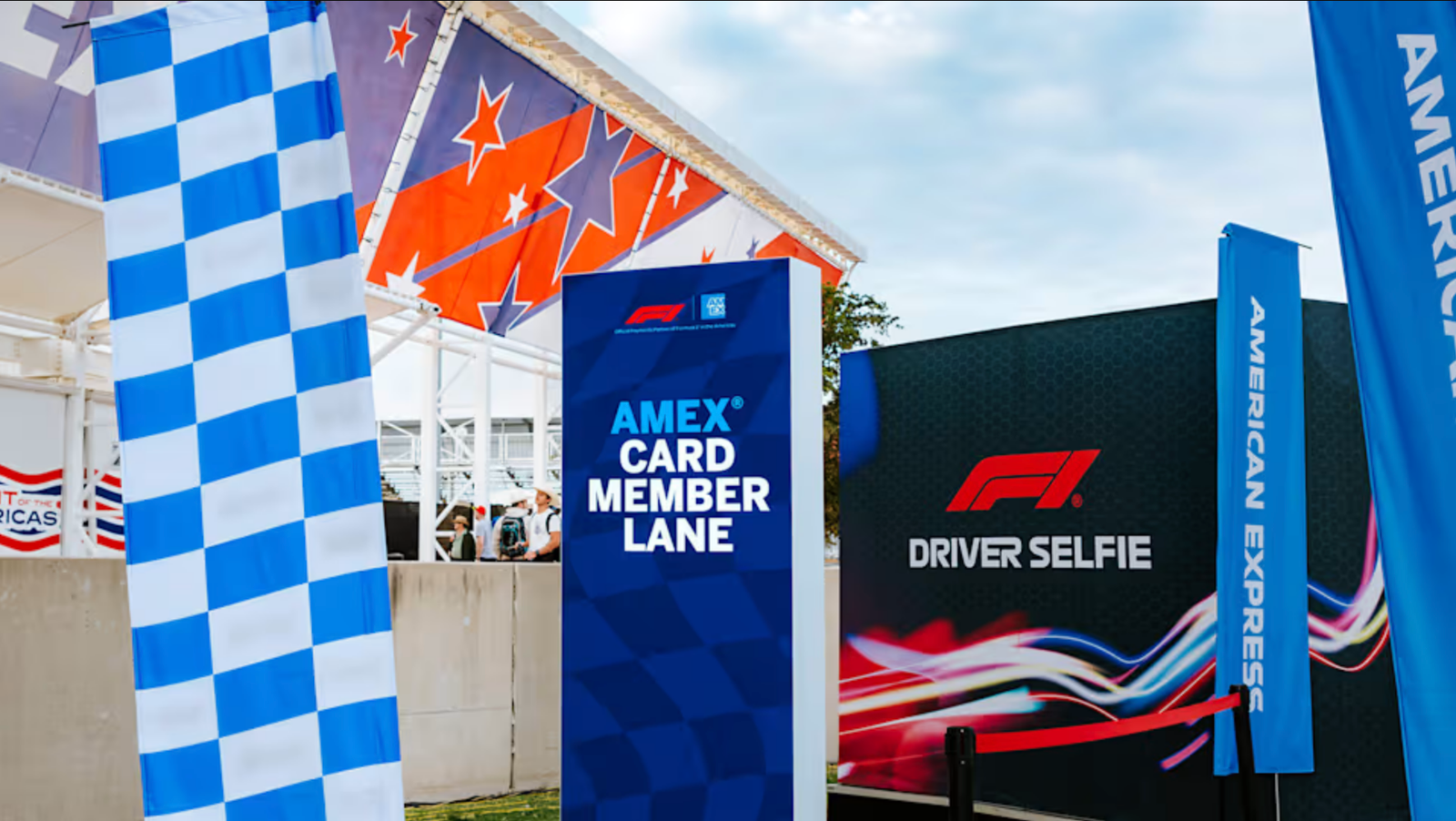
At the centre of this transformation is a new kind of partnership, one that reflects the changing economics of luxury. American Express has positioned itself not just as a sponsor, but as a curator of experience.
For its most valued cardholders, the race weekend unfolded through a carefully constructed lens of exclusivity. Private lounges, trackside viewing decks and invitation-only events redefined what it means to attend a sporting event.
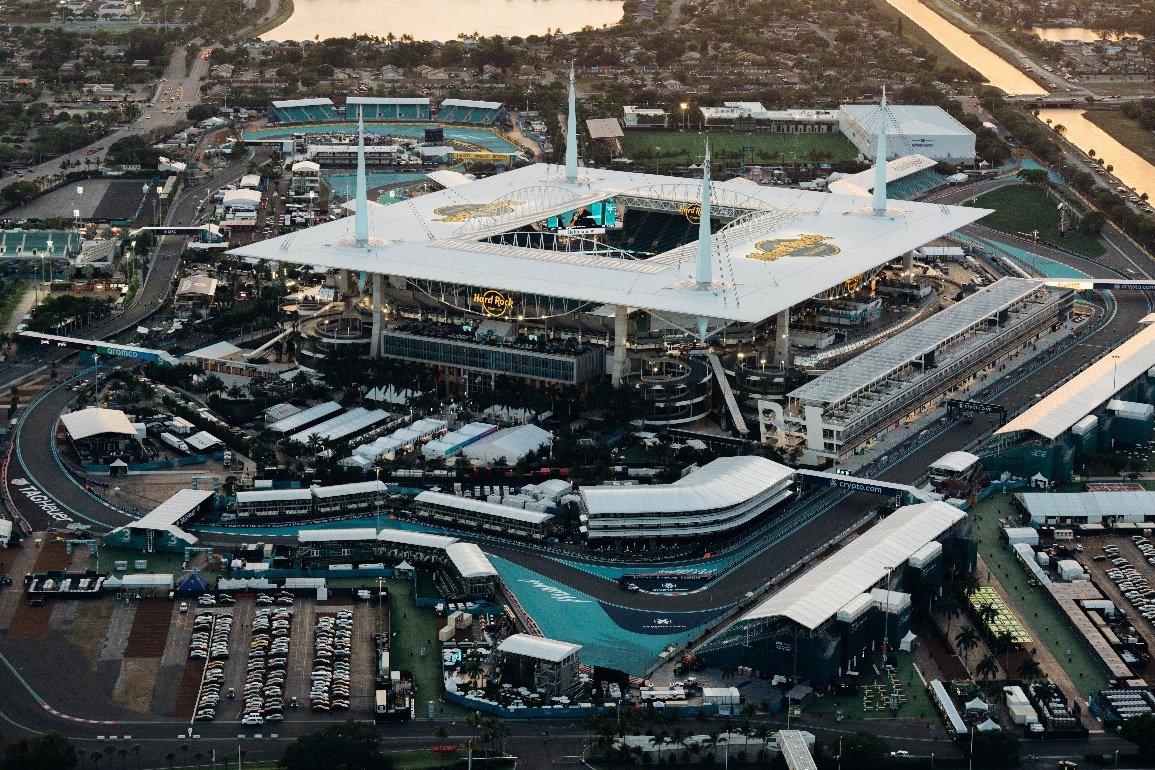
The Amex Racing Club, a multi-level hospitality space, offered a retreat from the intensity of the circuit. Inside, guests moved between beauty stations, massage areas and curated dining, all while remaining moments from the track. Nearby, premium viewing within Hard Rock Stadium placed spectators at the heart of the action without sacrificing comfort.
This is the new luxury model. Access is no longer passive. It is designed, layered and deeply personalised.
Racing in a new era
On the track, the 2026 season has been defined by change. Sweeping regulation updates forced teams to rethink their engineering from the ground up, creating a competitive landscape that remains fluid.
So far, one team has adapted faster than the rest. Mercedes-AMG Petronas Formula One Team arrived in Miami with momentum, having dominated the opening races of the season.
At the centre of that success is Kimi Antonelli, a 19-year-old driver whose composure and precision have quickly set him apart. In Miami, he delivered another commanding performance, recovering from early setbacks to secure his third consecutive victory.
His rise signals a generational shift within the sport. Youth is no longer a novelty. It is an advantage, bringing with it adaptability and a fluency in the evolving demands of modern racing.
Behind him, familiar names continued to shape the narrative. Lando Norris and Oscar Piastri demonstrated McLaren’s consistency, while Max Verstappen fought through early chaos to deliver a more competitive result than his team’s recent form suggested. Meanwhile, Charles Leclerc carried the enduring allure of Ferrari, a brand that continues to embody the intersection of performance and luxury.
A stage beyond the circuit
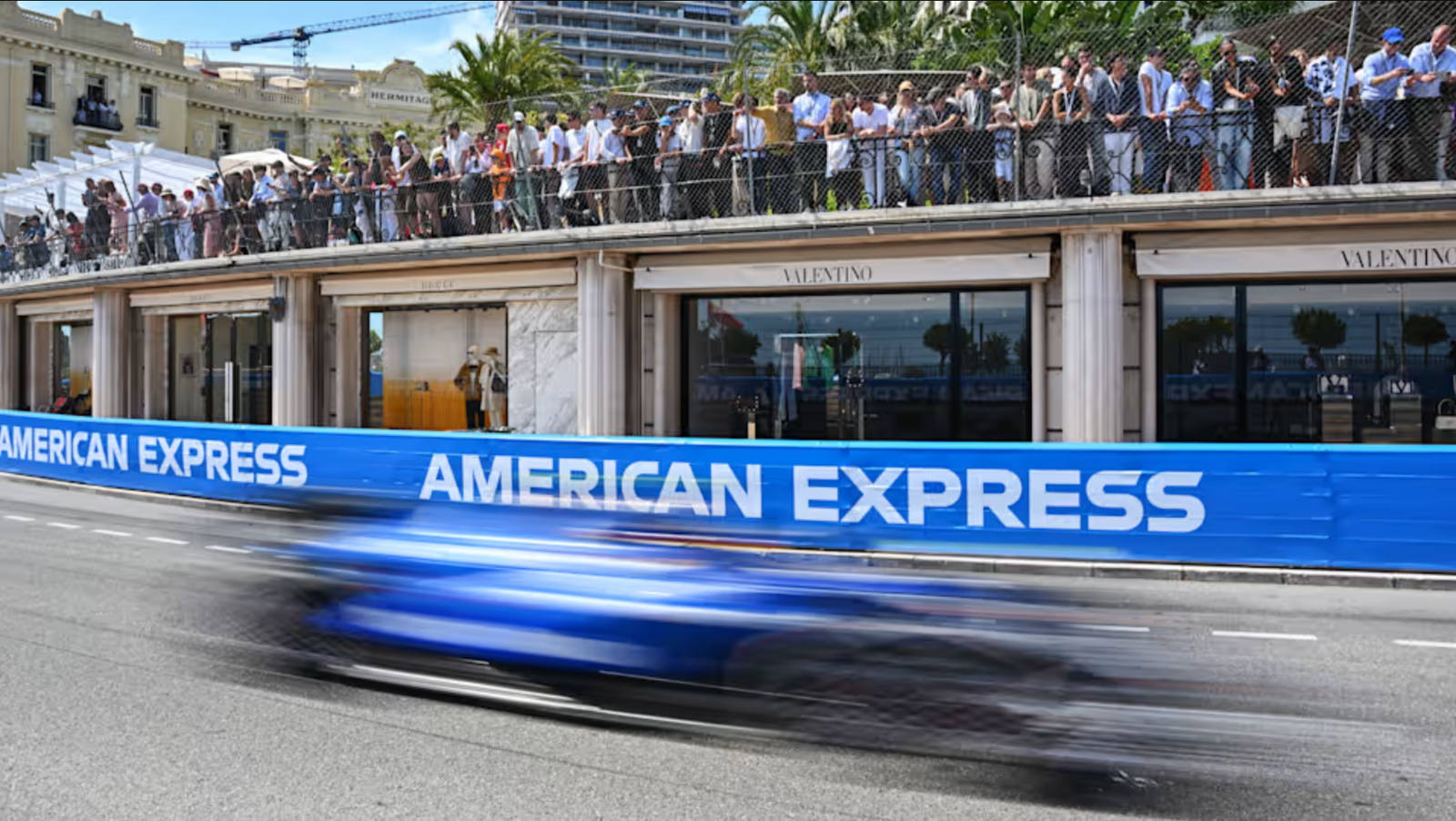
Yet to focus solely on the racing would be to miss the point. In Miami, the track is only part of the story. The real theatre extends far beyond the grid.
Few places captured this better than Carbone Beach, a temporary waterfront enclave that became the weekend’s most coveted destination. Created by chef Mario Carbone, the space transformed a stretch of sand into a lavish cabaret of chandeliers, live performances and meticulously curated cuisine.
Guests entered a world where dining blurred into entertainment. Caviar was served alongside music, conversation flowed into performance, and the boundaries between restaurant and spectacle dissolved entirely. With tickets priced in the thousands, the experience was not simply about food. It was about belonging to a moment that felt both fleeting and exclusive.
Celebrity, culture and convergence
The Miami Grand Prix has also become a magnet for cultural influence. The presence of figures such as Ludacris, Jamie Foxx, Kevin Hart and Snoop Dogg underscores the event’s evolution into a multidisciplinary platform.
Here, sport intersects with music, film and fashion, creating a layered cultural experience that extends far beyond the race itself.
This convergence is not accidental. It reflects a broader shift in how luxury is consumed. Experiences are no longer defined by a single dimension. They are expected to engage multiple senses, to offer both entertainment and exclusivity, and to create stories worth telling.
The architecture of experience
What Miami demonstrates is a new blueprint for global events. It is not enough to host a race. The surrounding ecosystem must be equally compelling.
From private members’ clubs to temporary installations, every element is designed to enhance the overall narrative. Even spaces like trackside lounges and hospitality suites are treated as destinations in their own right, with interiors and services that rival the world’s finest hotels.
This attention to detail is what transforms attendance into participation. Guests are not simply watching the race. They are moving through a carefully orchestrated environment that reflects the highest standards of contemporary luxury.
Momentum and meaning
As the season continues, the success of the Miami Grand Prix offers a glimpse into the future of Formula 1. It is a future defined not just by speed, but by experience.
The partnership between American Express and the sport illustrates how brands are adapting to this new reality, creating ecosystems that extend beyond traditional sponsorship into the realm of lifestyle and identity.
For Formula 1, this evolution is both an opportunity and a challenge. Balancing the integrity of the sport with the demands of spectacle requires careful calibration. Yet if Miami is any indication, the two can coexist, each enhancing the other.
The new face of luxury
In the end, the 2026 Miami Grand Prix was about more than a podium finish. It was about redefining what luxury looks like in motion.
It is found in the precision of a perfectly executed lap, in the intimacy of a private viewing lounge, and in the shared energy of a city fully immersed in the moment. Luxury here is not static. It is dynamic, immersive and constantly evolving. It moves at speed, adapts in real time and, like the race itself, rewards those who are positioned to experience it from the front row.
Written By: Lydia Kelly
Published: 5th May 2026