
Pernod Ricard reported weaker first half sales and profits as demand faltered across its key markets. Currency fluctuations and rising costs compounded pressure from slowdowns in the United States and China. Despite the downturn, the company insists it can meet its medium term growth ambitions and expects improvement in the second half of the fiscal year.
Sales Decline Across Priority Markets
French spirits group Pernod Ricard entered 2026 under mounting pressure as weakening consumer demand rippled across the global alcohol industry. In results reported on February 19, the company disclosed weaker sales across all five of its priority markets during the first half of its fiscal year. Group profits also declined, reflecting a challenging mix of softer consumption, foreign exchange swings, and persistent cost inflation.
The results, reported by Reuters, were broadly in line with analyst expectations. Investors appeared prepared for difficult numbers after months of deteriorating sentiment toward the sector. Shares edged slightly higher in early trading, rising 0.32 percent even though the stock has fallen more than 22 percent over the past 12 months.
The muted market reaction reflects just how low expectations have sunk for global spirits producers. The alcohol industry is experiencing a multi year downturn, with demand contracting in major markets and premium brands facing more cautious spending patterns among consumers.
United States and China Under Strain
Two of Pernod Ricard’s most important markets, the United States and China, remain under significant pressure. In the United States, consumers are grappling with tighter household budgets and lingering inflation effects, which have dampened discretionary purchases including premium spirits. Retailers have also reduced inventory levels after a period of overstocking, further weighing on shipments.
China presents a different but equally challenging landscape. A sluggish economic recovery and cautious consumer sentiment have curbed demand for imported spirits. Pernod Ricard, which has a strong presence in cognac and other premium categories, has felt the impact of slower gifting and hospitality spending.
Organic operating profit fell 7.5 percent in the first half, slightly better than forecasts. However, on a reported basis that includes foreign exchange impacts and other factors, operating profit declined by 18.7 percent. Currency volatility has amplified the operational slowdown, especially given the company’s extensive international footprint.
Signs of Improvement in India and Travel Retail
Not all regions performed poorly. Pernod Ricard pointed to improvement in the second quarter, particularly in India and in global duty free channels. India remains a structurally attractive market for the spirits industry due to its large and growing middle class, urbanization trends, and evolving consumer preferences.
Global travel retail has also shown signs of stabilization after several years of pandemic disruption and uneven recovery. Increased international travel has supported sales in airport and cross border retail outlets, helping offset weakness in other regions.
Chief Executive Alexandre Ricard struck an optimistic tone despite the difficult backdrop. He reaffirmed the company’s guidance of achieving between 3 percent and 6 percent sales growth between 2027 and 2029. According to Ricard, Pernod Ricard can reach that target even if growth in the United States and China remains below 3 percent.
Beyond those two markets, he emphasized, the company has a diversified global footprint. Stronger performance in other regions could compensate for underperformance in its largest economies.
Industry Wide Slump Reshapes Strategy
The downturn confronting Pernod Ricard is not unique. Spirits companies across the globe are battling a prolonged decline in sales that has triggered falling valuations, leadership changes, and strategic reviews. Several companies have trimmed portfolios, cut costs, or restructured operations to protect profitability.
In response, Pernod Ricard has launched a restructuring plan targeting 1 billion euros in savings between 2026 and 2029. The program includes job reductions and operational efficiencies aimed at streamlining the business. Management views the initiative as a necessary step to safeguard margins while positioning the company for future growth.
Cost discipline is only part of the strategy. Pernod Ricard is also adjusting its commercial approach to reflect changing consumer behavior. That includes reducing inventories of finished goods to better align supply with demand and limit working capital strain. Inventory management has become a critical lever after retailers and distributors sought to normalize stock levels following earlier supply chain disruptions.
Focus on Affordability and Portfolio Balance
Another response to softer demand is a push toward affordability. Pernod Ricard is increasing launches that target more price sensitive consumers, including smaller pack sizes that lower the upfront purchase cost. While premiumization has been a dominant theme in the spirits industry for years, economic pressure is prompting companies to reengage with entry level and mid tier offerings.
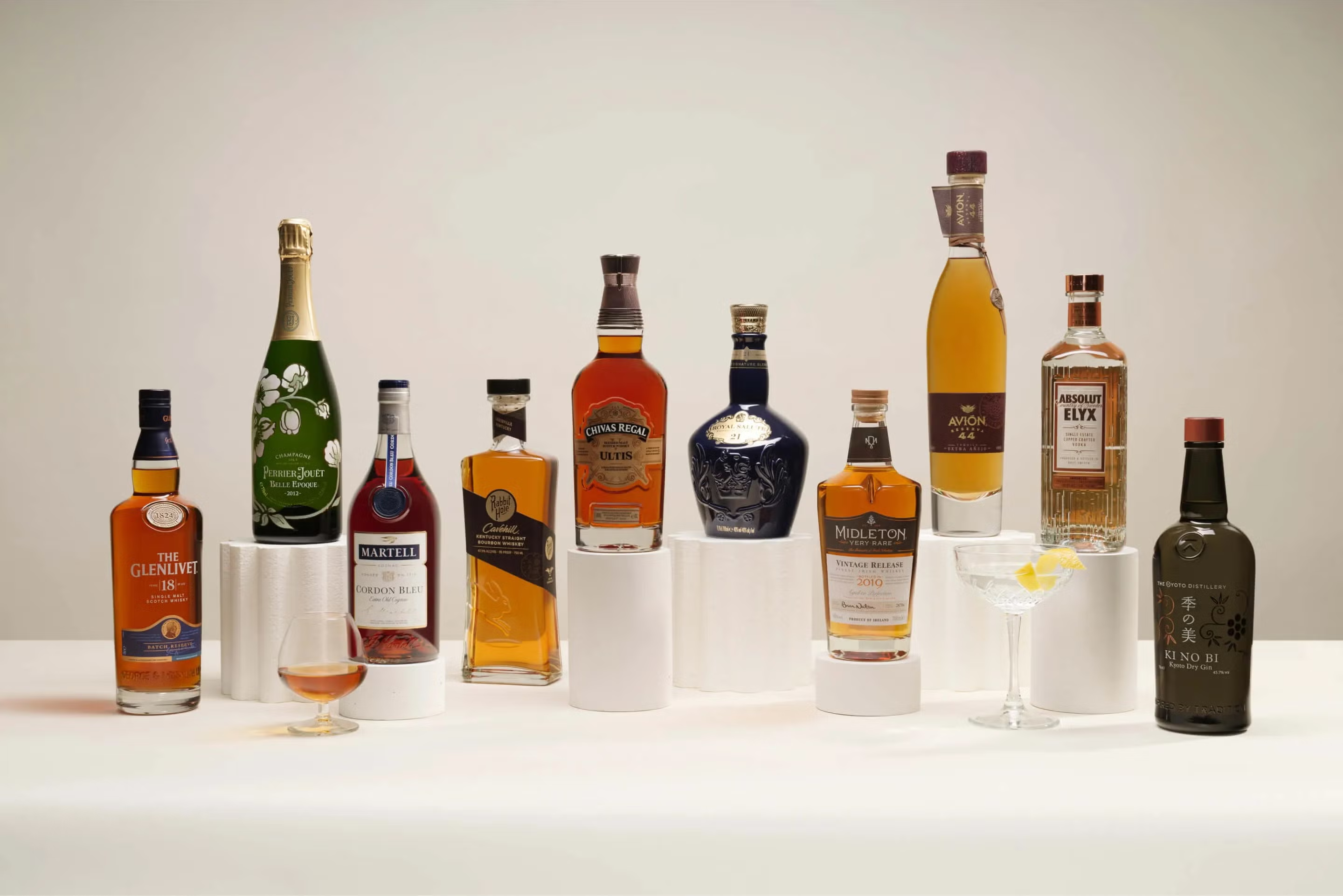
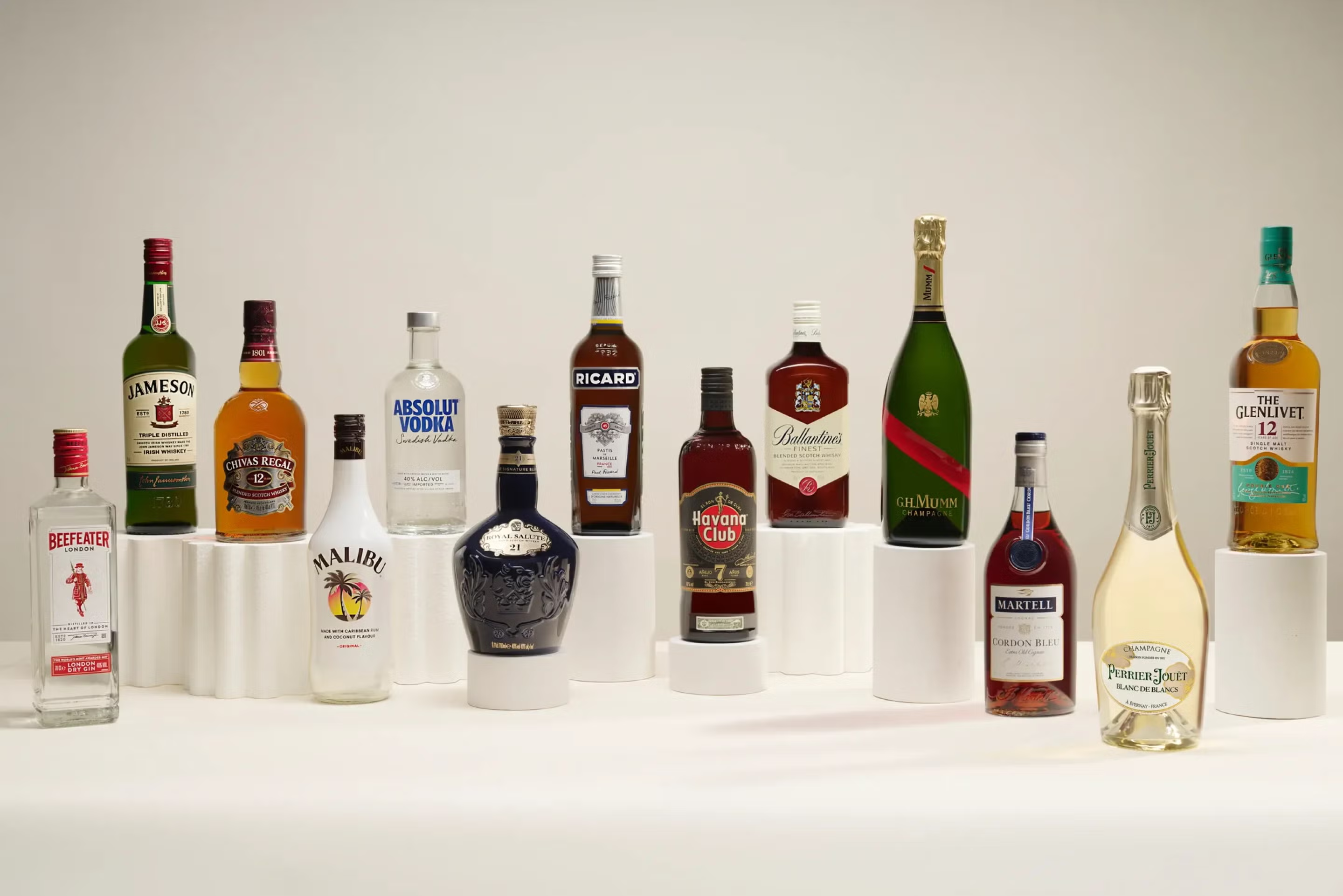
The group’s portfolio includes globally recognized brands such as Absolut vodka and Martell cognac, which have historically benefited from premium positioning. However, management acknowledges that consumer trade down trends may persist in certain markets, at least in the near term.
By offering a broader range of price points, Pernod Ricard aims to retain consumers within its brand ecosystem rather than losing them to competitors or alternative beverage categories. Balancing premium aspirations with pragmatic pricing strategies is emerging as a central challenge for the sector.
No Plans for India Listing
Amid speculation about potential strategic moves, Ricard dismissed reports suggesting a possible initial public offering of the company’s Indian business. He confirmed there are no plans to list the India unit, despite media reports that the option had been under review.
India remains strategically important, but management appears focused on organic growth and operational execution rather than structural changes. Maintaining control of the business allows Pernod Ricard to capture long term upside in a high growth market without introducing additional complexity.
Market Reaction and Investor Sentiment
Despite what one analyst described as a strikingly negative performance, the share price reaction was subdued. Chris Beckett, an analyst at Quilter Cheviot, noted that the lack of a sharp decline in the stock underscores how pessimistic expectations have become for the sector.
Investors appear to believe that much of the bad news is already priced in. The broader industry malaise has lowered the bar for quarterly performance, meaning companies that meet reduced forecasts can avoid severe market punishment.
Still, confidence in a sustained recovery remains tentative. The combination of uncertain consumer demand, volatile currencies, and cost pressures leaves little room for complacency. Management’s ability to deliver improved second half results will be closely scrutinized.
Outlook for the Second Half
Looking ahead, Pernod Ricard expects better performance in the second half of its fiscal year. Improvement in India and travel retail, stabilization of inventories, and the early benefits of cost savings initiatives could support a rebound.
However, much depends on macroeconomic conditions in the United States and China. A meaningful recovery in either market would provide a significant boost, while continued weakness could prolong the adjustment period.
For now, the company is navigating a delicate balance between protecting margins and investing for future growth. The reaffirmed medium term sales target signals confidence, but execution will be critical. As the global spirits industry works through a multi year downturn, Pernod Ricard’s resilience and adaptability will determine how quickly it can return to sustained expansion.
Written By: Lydia Kelly
Published: 3rd March 2026