
Luxury fashion once sold permanence while technology sold progress. One promised heirlooms. The other promised upgrades. The collaboration between Apple and Hermès changed that distinction by creating an object designed to age and refresh at the same time. The Apple Watch Hermès sits at a strange intersection. It is a piece of software that receives updates every year yet it is also leather craftsmanship meant to develop patina over decades.
A New Definition of Luxury Ownership
Traditional luxury relies on longevity. Buyers justify high prices because products last for generations. Technology works differently. Devices lose value quickly and are replaced frequently. The collaboration solved this contradiction by separating the body from the identity. The Apple Watch hardware is replaceable but the Hermès elements create continuity. The leather straps, exclusive watch faces, and packaging establish emotional permanence even while the core device evolves. Consumers feel they are upgrading the same luxury object rather than discarding it.
This reframing changed the psychology of spending. Instead of feeling wasteful, upgrading becomes part of ownership. Luxury is no longer a static possession. It becomes a long term relationship maintained through updates. For Hermès, this opened access to a younger customer who values functionality alongside prestige. For Apple, it introduced ritual and storytelling to a category that previously depended only on specifications.
Craftsmanship as Interface Design
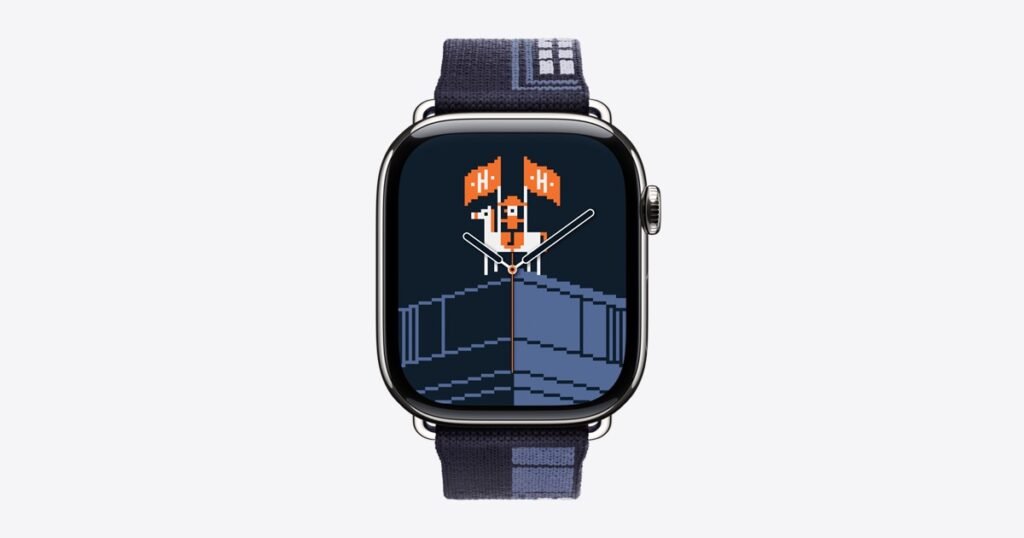
The collaboration works because the leather is not decoration. It functions as an interface. Hermès craftsmanship influences how the device is perceived and handled every day.
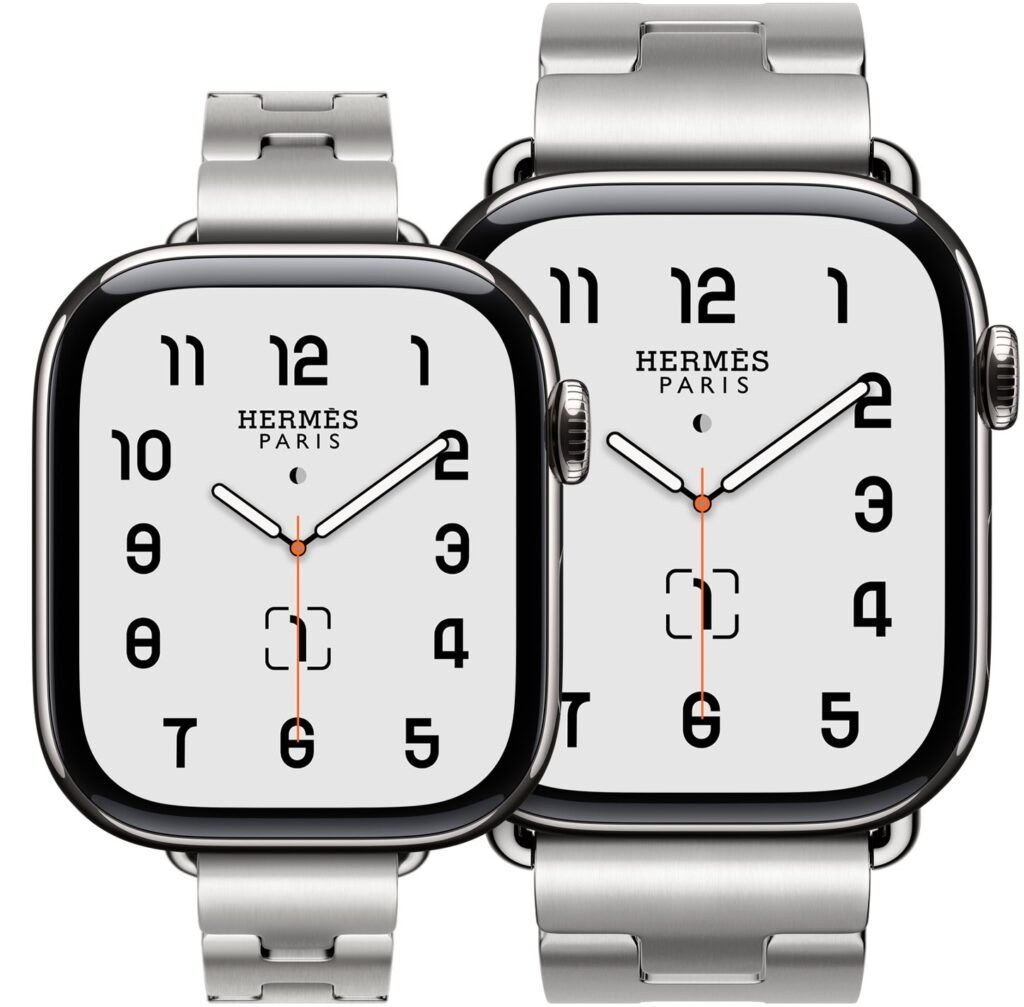
Luxury objects rely on tactile feedback. The softness of the strap, the smell of the leather, and the visible stitching transform the watch from gadget to companion. Technology companies typically optimize screens and processors. Fashion houses optimize sensation and memory. Combined, they create emotional usability. Even the watch faces reflect this philosophy. Typography inspired by Hermès design language replaces generic digital fonts. The screen communicates identity rather than only information. The result is that software begins to feel personal instead of utilitarian.
This matters in the wearable category because the device lives on the body rather than in a pocket. Phones are tools. Watches are extensions of self presentation. The collaboration understood that wearables compete with jewelry more than electronics.
Scarcity in a Mass Production World
Apple manufactures at global scale. Hermès operates through controlled scarcity. The partnership merges these opposing supply models without undermining either brand. The watches are widely available but specific combinations feel curated. Limited color releases, seasonal bands, and boutique availability mimic fashion cycles. Customers chase variations rather than the device itself.
This strategy transforms technology from a one time purchase into a collecting category. Owners buy additional straps like they would buy accessories for an outfit. The ecosystem becomes wardrobe based rather than hardware based. For Hermès, scarcity remains intact because the craftsmanship components are still produced in smaller volumes. For Apple, recurring accessory sales extend the product life cycle. The watch becomes a platform rather than a single product.
Status in the Age of Subtle Wealth
Modern luxury is moving away from visible logos toward recognizable signals understood only by informed audiences. The Apple Watch Hermès fits perfectly into this trend. At a distance it appears minimal and functional. Up close the saddle stitching, precise color tones, and distinctive fonts reveal exclusivity. It communicates taste rather than price. This aligns with a broader shift where wealthy consumers prefer recognition within their peer group rather than public attention.
The collaboration also changes how technology signals status. A standard smartwatch suggests practicality. The Hermès version suggests intentional curation. Owners communicate that they value design philosophy and heritage alongside innovation. In effect the watch becomes social shorthand. It tells observers that the wearer participates in both digital culture and traditional luxury culture. Few objects bridge those worlds so clearly.
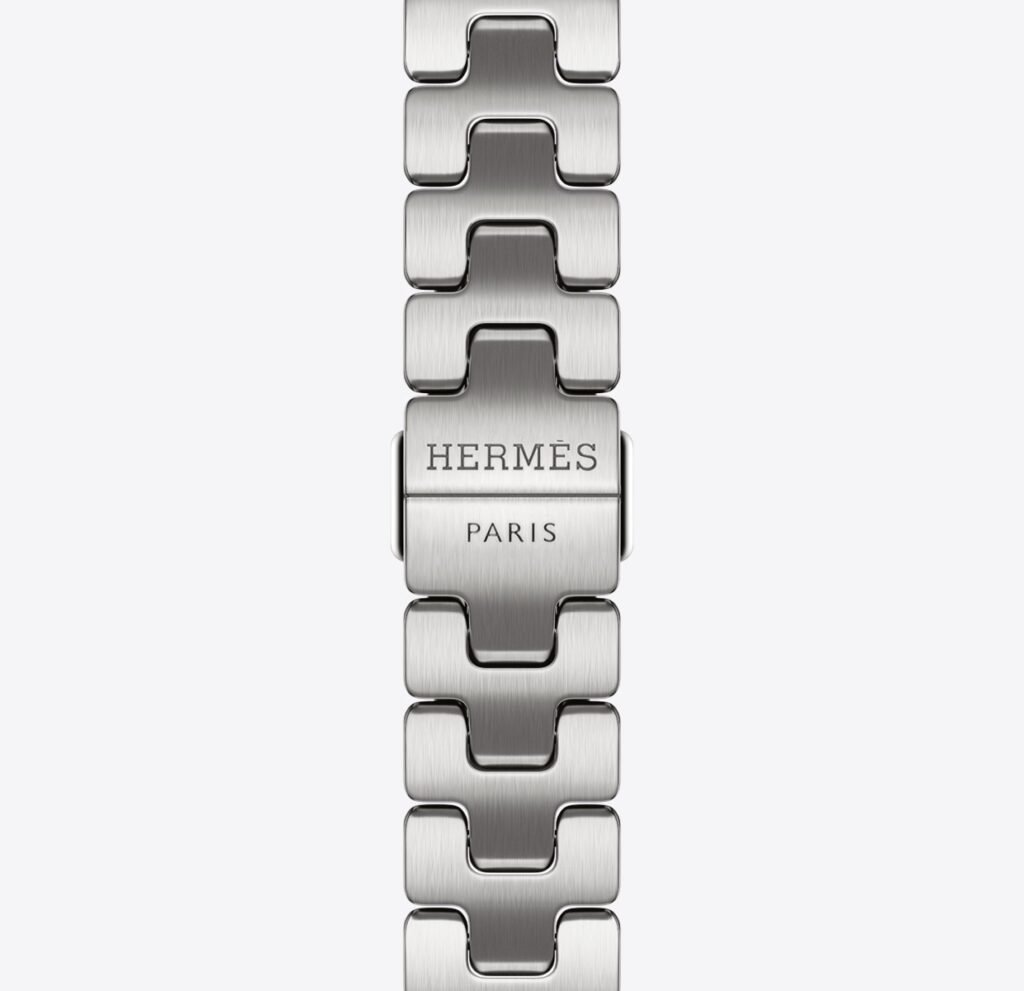
The Apple and Hermès partnership succeeded because it did not treat branding as decoration. It redesigned the meaning of ownership in the luxury market. The watch blends upgrade cycles with heirloom aesthetics, transforming replacement into ritual. More importantly, it predicted the direction of high end consumption. Future luxury will not compete with technology. It will embed itself inside it. The value will come from interpretation rather than raw materials or raw processing power alone.
Written By: Mia Quisumbing
Published On: 17th February 2026