
In contemporary art, moments of connection between past and present often reveal new ways of understanding history. The work of Theaster Gates, in dialogue with the legacy of David Drake, presents one such moment. Through a recent gesture involving a ceramic vessel, a narrative emerges that bridges centuries of artistic and cultural expression.

The interaction reflects more than a simple exchange. It becomes a conversation about authorship, memory, and the enduring significance of material culture.
Within this context, the object itself carries a weight that extends beyond its form.
The Legacy of David Drake
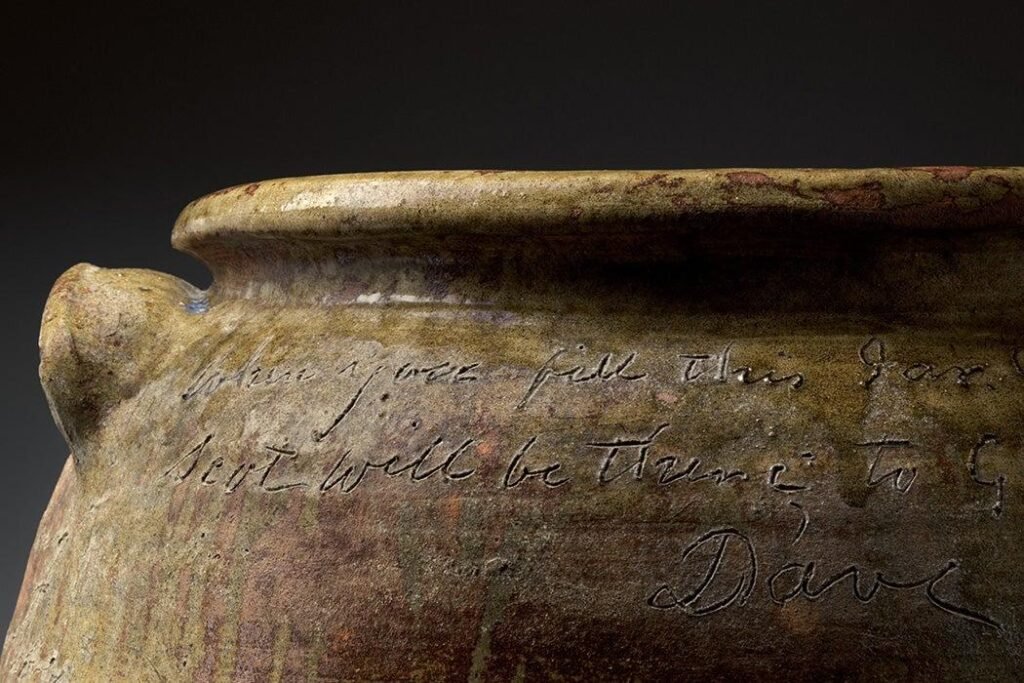
David Drake, an enslaved potter working in the nineteenth century, is known for creating large ceramic vessels that often included inscribed text. His work stands as a rare and powerful example of authorship within a system that sought to deny it.
The inscriptions on his pots reflect both individuality and resistance. They transform functional objects into carriers of meaning.
Drake’s work continues to hold cultural and historical significance, offering insight into the lived experiences of those who were often excluded from artistic recognition.
This legacy forms the foundation for the contemporary dialogue.
Theaster Gates and Material Practice
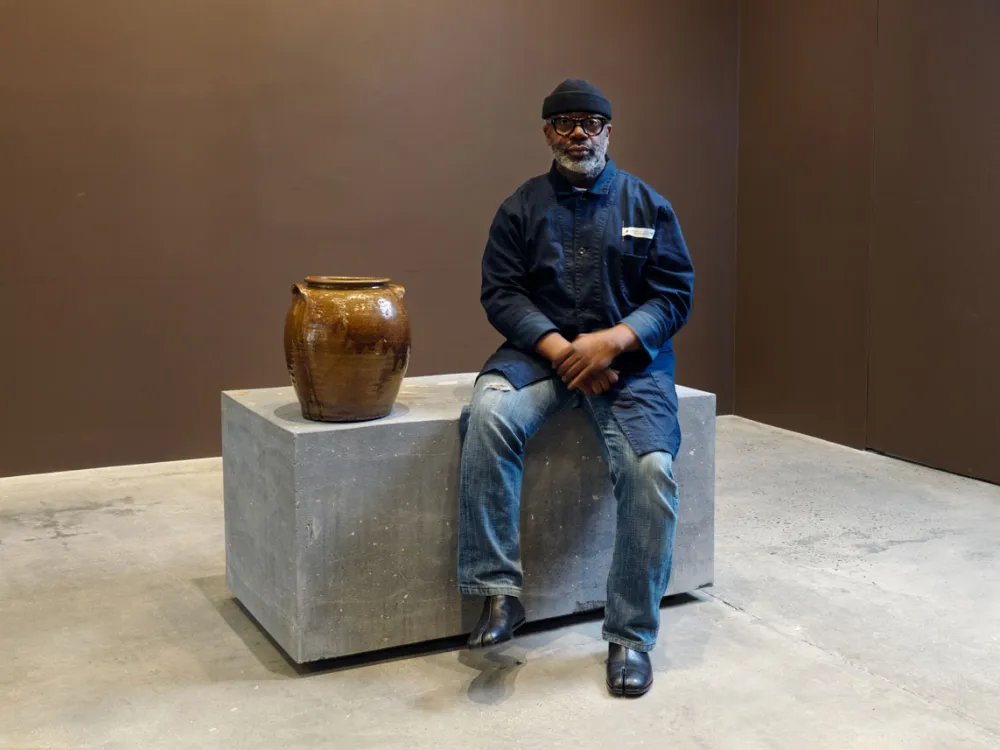
Theaster Gates has built a practice that engages deeply with history, community, and material.
His work often draws on objects, archives, and cultural narratives, using them to explore broader social and historical themes.
By engaging with the legacy of David Drake, Gates extends this approach. The ceramic vessel becomes a point of connection, linking past craftsmanship with contemporary artistic practice.
This gesture reflects a broader interest in how objects carry meaning across time.
The Object as Narrative
The significance of the ceramic vessel lies not only in its material form, but in the story it represents.
Objects have the ability to hold memory, acting as links between different moments in history.
In this case, the vessel becomes a medium through which ideas of authorship, identity, and continuity are explored.
The interaction between Gates and Drake’s legacy highlights the ways in which art can function as a form of dialogue.
It suggests that meaning is not fixed, but evolves through reinterpretation.
Art, History, and Continuity
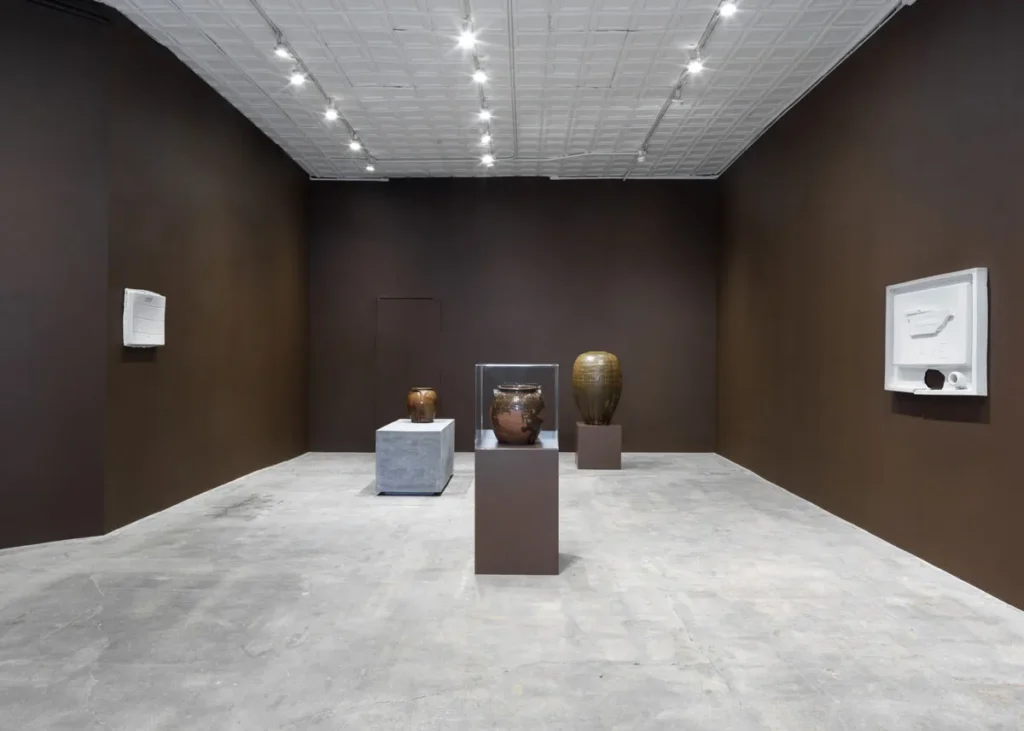
The relationship between contemporary artists and historical figures often reveals new perspectives on both.
Gates’s engagement with Drake’s work reflects an understanding of art as a continuous process.
Rather than existing in isolation, artistic practices are connected through shared materials, ideas, and contexts.
This continuity allows for new interpretations of history, where past voices are brought into present conversations.
The result is a layered understanding of both art and culture.
A Reflection on Cultural Memory
At its core, this dialogue reflects a broader exploration of cultural memory.
The vessel becomes more than an object. It represents a connection between individuals, histories, and creative practices.
Through this lens, the work invites reflection on how history is preserved, interpreted, and reimagined.
It also highlights the role of artists in shaping these narratives.
In engaging with the past, Gates creates space for new forms of understanding.
A Continuing Conversation
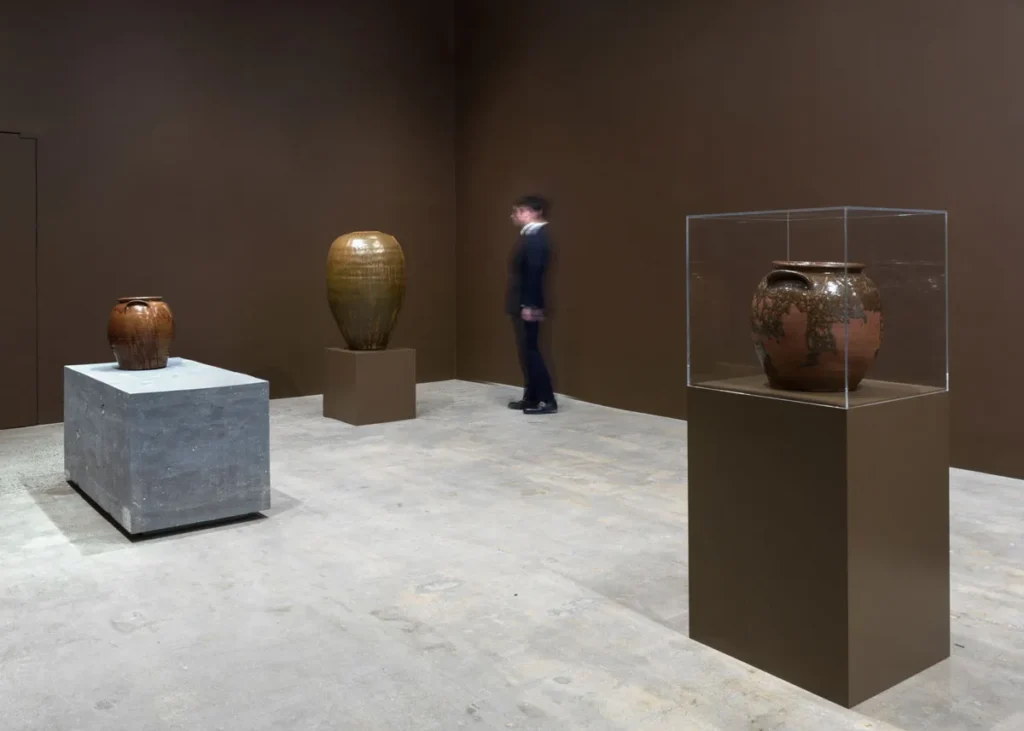
The interaction between Theaster Gates and the legacy of David Drake does not offer a final conclusion. Instead, it opens a conversation.
The vessel becomes a point of departure, inviting further reflection on the relationship between art, history, and identity.
This openness reflects the nature of contemporary art, where meaning is often shaped through dialogue rather than definition.
In this context, the work continues to resonate, extending beyond its immediate moment.
Written by: Linh Giang Nguyen
Published on: 22 April 2026