
European investors are playing an increasingly important role in financing Australia’s energy transition, providing capital for battery storage, renewable energy projects and critical transmission infrastructure. The scale of Australia’s decarbonisation effort requires funding well beyond domestic sources, creating opportunities for international infrastructure funds and bond investors. As global demand for clean energy assets grows, Australia has emerged as one of the world’s most attractive destinations for long term capital seeking stable returns.
A New Source of Capital for a New Energy Era
Australia’s transition to a cleaner energy system is rapidly becoming one of the largest investment stories of the decade.
Across the country, governments, utilities and private developers are racing to replace ageing coal fired power stations with renewable generation, large scale battery storage and the transmission networks needed to connect them. The transformation is reshaping not only the nation’s energy mix but also the flow of global investment capital.
Increasingly, much of that capital is coming from Europe.
From Scandinavian infrastructure funds to European pension managers and bond investors, international money is helping finance projects that will define Australia’s energy landscape for decades. The trend reflects growing confidence in Australia’s renewable energy potential and highlights the global nature of the energy transition.
For investors and policymakers alike, the message is clear. Australia’s clean energy future is becoming an international investment opportunity.
The Scale of the Challenge
The economics of Australia’s energy transition are staggering.
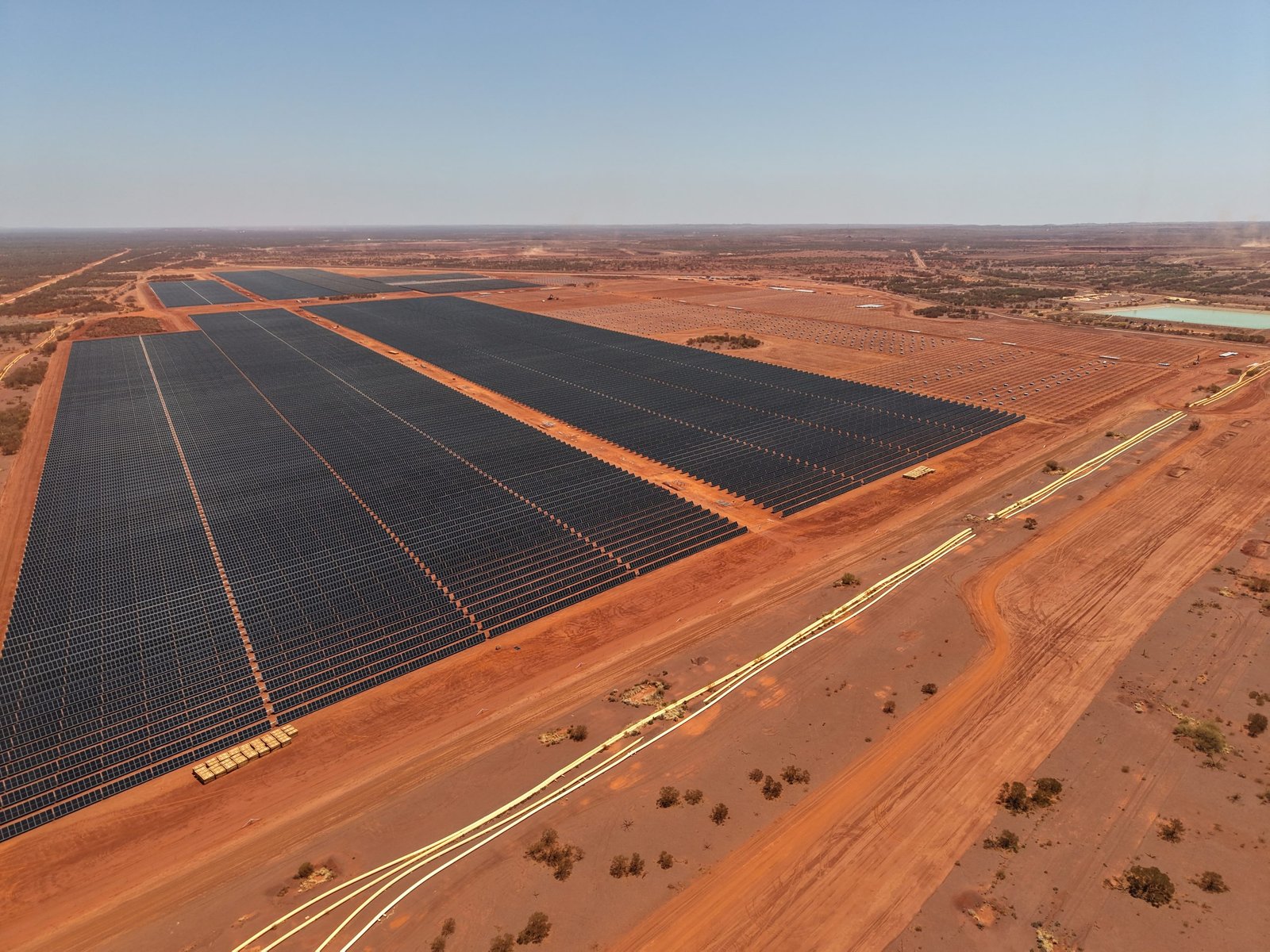
Replacing traditional generation assets requires far more than simply building wind farms and solar projects. Renewable energy systems need large scale storage, firming capacity and extensive upgrades to transmission infrastructure. Vast new sections of the electricity grid must be constructed to connect renewable energy zones with major population centres.
According to projections outlined in the draft 2026 Integrated System Plan, thousands of kilometres of new transmission lines may be required over coming decades. Combined investment across generation, storage and network infrastructure is expected to reach well into the hundreds of billions of dollars over the long term.
Such a task cannot be funded through domestic capital alone.
Australia possesses one of the world’s largest pools of retirement savings through its superannuation system, yet the sheer size of the investment requirement has created a need for international funding partners. This has opened the door for global infrastructure investors seeking exposure to long duration assets supported by structural economic trends.
Why Europe Is Looking South
European investors have spent decades financing renewable energy projects across their home markets.
As renewable penetration increased throughout Europe, investors developed expertise in managing complex energy infrastructure assets, ranging from offshore wind farms to battery storage facilities and transmission networks.
Today, many of those investors are looking beyond Europe in search of growth opportunities.
Australia presents an attractive proposition. The country offers abundant solar and wind resources, a relatively stable regulatory environment and a clearly defined pathway toward decarbonisation. Just as importantly, it provides a large pipeline of projects requiring substantial capital commitments.
This combination of scale and stability has attracted some of the world’s largest infrastructure managers.
A recent example was the reported sale of the Summerfield battery energy storage project in South Australia by Copenhagen Infrastructure Partners to Palisade Investment Partners. The transaction demonstrated both the depth of international interest in Australian energy assets and the emergence of a more sophisticated secondary market for renewable infrastructure.
For investors, that secondary market is important. The ability to acquire, operate and eventually sell assets improves liquidity and helps attract additional capital into the sector.
The Rise of Euro Funding
The flow of European capital is not limited to direct investment in energy assets.
Australian governments are increasingly tapping European debt markets to finance infrastructure spending through euro denominated bond issuance. By raising funds directly from European investors, states can diversify their funding sources while accessing deep pools of international capital.
The strategy reflects a broader trend among governments and infrastructure developers seeking flexibility in how they fund large projects.
For European investors, these bonds provide exposure to Australia’s infrastructure growth story while offering portfolio diversification. For Australian issuers, they create access to investors who may not traditionally participate in domestic bond markets.
The result is a growing financial connection between Europe and Australia’s energy transition.
Batteries Become the New Infrastructure Asset
One of the most significant developments in recent years has been the emergence of battery storage as a major infrastructure asset class.
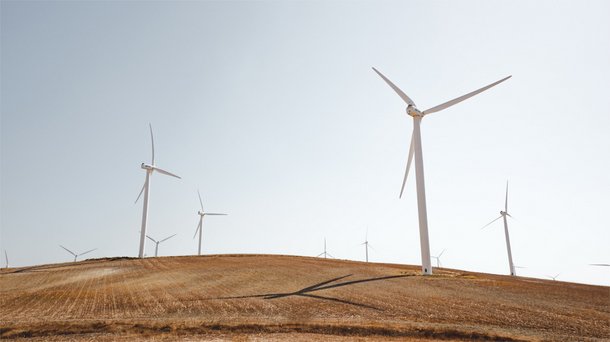
As renewable energy generation expands, batteries play a critical role in maintaining grid stability. They help manage fluctuations in solar and wind output while providing reserve capacity during periods of peak demand.
For infrastructure investors, battery projects share many characteristics with traditional utility assets. They require significant upfront investment, operate over long periods and generate revenue through essential services.
This combination of growth potential and infrastructure style returns has made battery storage particularly attractive to international capital.
Australia’s market is still relatively young compared with Europe, creating opportunities for investors seeking exposure to an expanding sector.
The Global Competition for Capital
While Australia is attracting significant international investment, competition for capital remains intense.
Governments across North America, Europe and Asia are all pursuing ambitious decarbonisation agendas and infrastructure development programs. Investors have a wide range of opportunities from which to choose.
As a result, Australia’s ability to continue attracting foreign capital will depend on maintaining a competitive investment environment.
Project approvals, transmission development, grid connections and policy certainty all play a role in investor decision making. Delays in any of these areas can affect project economics and potentially redirect capital toward other jurisdictions.
International investors tend to favour markets where regulatory frameworks remain stable over long periods. Given the multi decade nature of energy infrastructure investments, confidence in future policy settings is often as important as confidence in the assets themselves.
A Long Term Partnership
The relationship between European capital and Australia’s energy transition is likely to deepen in coming years.
Power demand is expected to rise as electrification accelerates across transport, industry and households. At the same time, growing data centre infrastructure and digital technologies are increasing electricity consumption across developed economies.
These trends are creating sustained demand for new generation, storage and transmission assets.
Australia possesses many of the characteristics global investors seek, including political stability, world class renewable resources and a substantial development pipeline. European investors bring deep pools of capital and decades of infrastructure expertise.
Together, they are helping shape one of the most significant economic transformations in Australia’s modern history.
The Investment Story of the Decade
The energy transition is often discussed as an environmental challenge, but it is equally an investment story.
Financing the shift from legacy generation to a modern, renewable powered grid requires unprecedented levels of capital. European investors are emerging as some of the most important contributors to that effort, funding projects that will influence Australia’s economy for generations.
As transmission networks expand, battery projects multiply and renewable energy capacity continues to grow, the flow of international capital is becoming an essential component of the transition.
For investors, the opportunity lies not only in the assets themselves but in the broader transformation underway. For Australia, European capital is helping turn ambitious energy targets into physical infrastructure.
The partnership is proving that the future of energy is not just about technology. It is also about where the world’s capital chooses to invest.
Written By: Lydia Kelly
Published: 11th June 2026