
The Australian Fashion Week 2026 arrived with intimate industry gatherings and presentations, marking a year of industry reinvention. With five days of runway shows, Australia’s leading designers unveiled design portfolios that expressed a modernised fashion landscape, one no longer looking to conventional global capitals for approval.
A vision of Australian luxury — one based on artistry, eco-friendliness, cultural authenticity and contemporary comfort- was offered to audiences. As a result, Fashion Week was characterised by substance rather than by spectacle. Designers focused on emotional resonance, quality and longevity, disregarding viral moments. The event’s message was received very clearly. Australian fashion is moving into a new era on its own terms.
Quiet Luxury, Australian Style
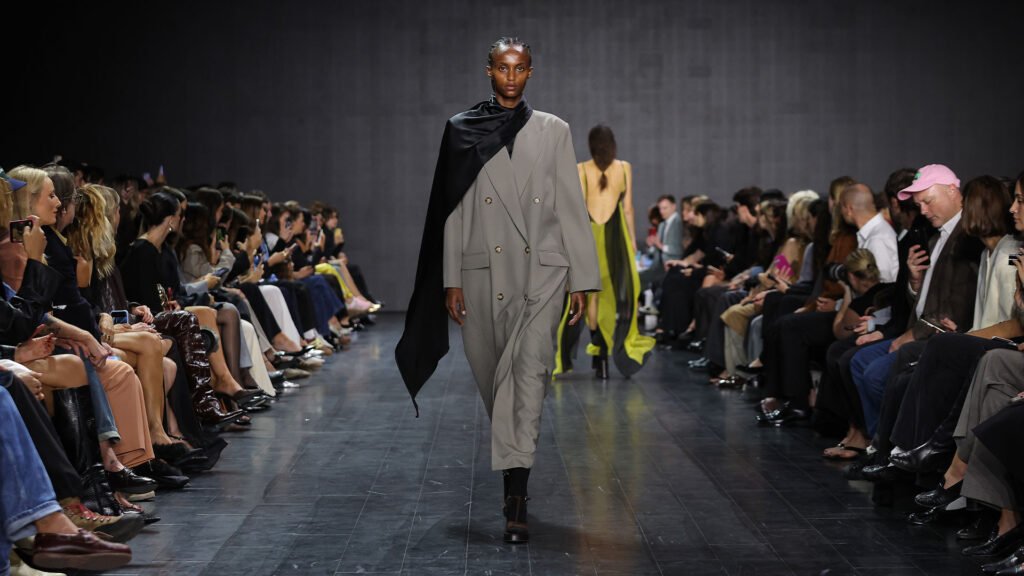
Throughout the week, restraint was a dominant theme. A richer, more subtle expression of luxury, one that prioritises flawless construction over obvious branding. The pieces weren’t a severe form of minimalism, but a more expressive vision of luxury. Delicately structured silhouettes, fluid tailoring and tactile fabrics were across the runways, elements that demanded closer examination. By embracing the art of subtlety, designers demonstrated that luxury frequently resides in ideas left unsaid.
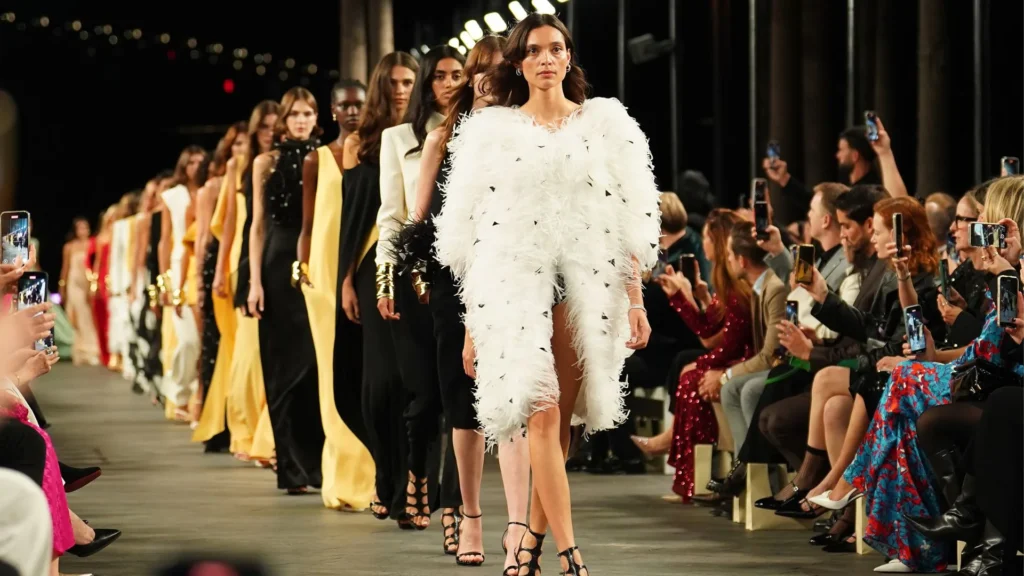
The strongest collections of this season showcased creative textile development, hand-finished details and precise pattern cutting. Many runways featured earth-toned colour schemes that echoed the Australian landscape, eucalyptus green, ochre and sandstone. In an increasingly ephemeral fashion environment, these colours are more instinctive than trend-driven, reflecting a growing desire for permanence.
The effect was elegant but carefree, a distinct Australian take on quiet luxury that strikes a balance between sophistication and ease.
The Rise of the Conscious Collector
For Australian Fashion Week, sustainability was no longer a talking point; it was their foundation.
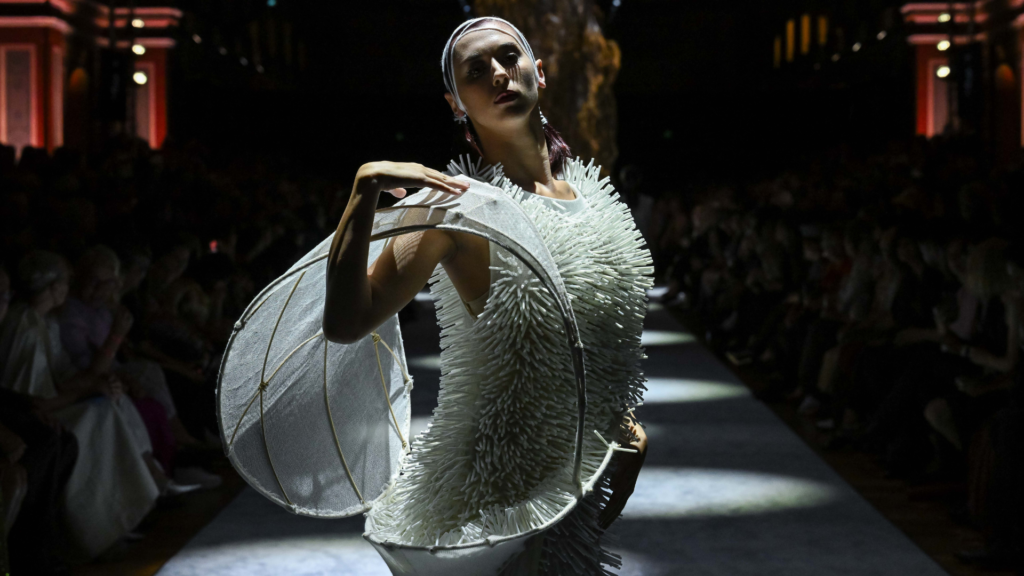
Throughout the schedule, designers demonstrated how desirability and environmental responsibility can coexist. Elegant evening wear was created from deadstock fabrics, and sharply tailored separates were made from locally sourced materials. This industry’s conventional production cycles were put to the test by made-to-order models.
Crucially, throughout the event, sustainability wasn’t presented as a distinct story but rather smoothly incorporated into collections. Designers emphasised emotional value, longevity and quality—ideas that inherently encourage more conscientious consumption. Significantly more luxury buyers are looking for items with permanence, meaning and provenance. Australian designers seem to be especially aware of this change, producing clothing that is to be cherished items rather than seasonal purchases.
The week’s strongest collections represented a larger cultural shift toward intentionality and away from excess. Fashion is now about curation rather than just acquisition.
Indigenous Voices Shape the Conversation
Cultural storytelling-based moments were some of the week’s most impactful.
Through the Indigenous designers’ perspective, conventional definitions of luxury and design develop, continuing to transform Australia’s fashion narrative. Collections created work that was both intensely personal and globally relevant by drawing inspiration from Country, community, heritage and Indigenous identity.
The presentations carried a sense of purpose accompanied by their impactful visuals, evolving fashion into a vehicle for cultural exchange, education and cultural connection.
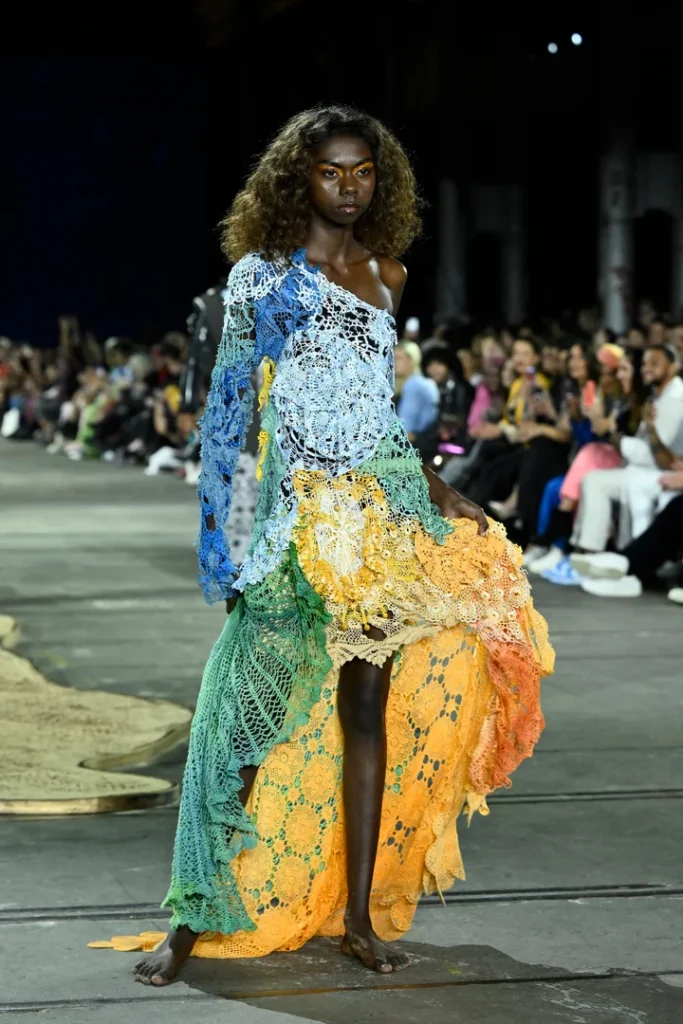
The industry is currently shifting in an important direction as the growing prominence of Indigenous fashion continues to expand. What was once viewed through a specialised lens is becoming widely acknowledged as a crucial component of Australia’s creative future.
For all audiences, these collections offer authenticity, a rarity in fashion.
Reimagining Tailoring
One of the defining trends that emerged this season was tailoring, designers although did approach it with incredible originality. Through relaxed proportions, lightweight fabrics and fluid movements, the traditional suiting codes were softened. Easily draped over silk separates were oversized blazers. The trousers were cut easily and with plenty of volume. Sheer layers and handcrafted embellishments coexisted with structured jackets.
Australian modern suits are no longer confined to boardrooms or formal occasions, rather it has evolved into a versatile wardrobe element. The new approach has allowed the design to move seamlessly between work, travel and evening settings. Designers have proved that wearability and sophistication don’t conflict, as the new strategy reflects shifting attitudes toward clothing and changing lifestyles.
Emerging Talent Signals a Bright Future
Although well-known brands make headlines during Fashion Week, a new generation of designers contributed some of the most thrilling energy.
With remarkable assurance, up-and-coming labels showcased collections that examine identity, technology, sustainability and craftsmanship. The work revealed a generation that wasn’t bound by conventional industry norms and open to experimentation with digital platforms, novel production techniques and alternative business models. Many designers showcased an understanding of both creativity and commerce; their ideas are building brands for a modern fashion ecosystem. One in which global accessibility, direct-to-consumer connections, and community involvement are just as crucial as runway visibility.
The Digital Front Row
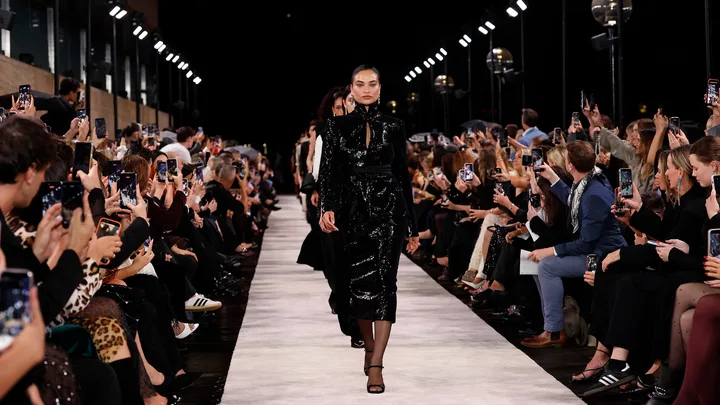
The impact of technology went far beyond coverage with social media.
Fashion Week exists within two worlds: our reality and the virtual world. Runway shows have become international events due to livestreams, content and real-time audience participation. The designers embraced technological innovation behind the scenes, using digital sampling, which also supports more sustainable production.
Nevertheless, the week reaffirmed a basic reality: technology works best when it fosters creativity rather than replacing it. Fashion may have a digital future, but at it’s core, it is very much human.
A Global Future with a Distinctly Australian Voice
Australian Fashion Week reinforced ideas regarding the industry of fashion’s self-assurance and increasing confidence.
Australian fashion, for decades, has been in competition and comparison with international fashion. Designers seem more interested in creating their own definition of modern luxury than mimicking Paris, Milan or New York fashion. Australian landscape, lifestyle and cultural diversity all influence the Australian fashion industry’s vision. It embraces innovation without losing sight of tradition and sustainability. Our fashion has a significant advantage: a genuine point of view, as globabl luxury consumers seek authenticity more and more.
This season’s collections showed that Australian designers are more than just taking part in global fashion discussions, it is being shaped by them.
Australian Fashion Week 2026 will be remembered as a turning point—a time when the industry embraced its identity and realised the power of creative independence. In a time obsessed with constant reinvention and speed, the Australian Fashion Week communicated luxury as no longer having more, it’s about creating better.
Written By: Maeve Green
Published On: 18th June 2026