
Within the world of contemporary art, certain figures shape culture not through creation alone, but through connection. Bruno Bischofberger was one of those figures. As an art dealer, collector, and curator of artistic relationships, he played a defining role in the rise of some of the most influential artists of the twentieth century.

His legacy extends beyond galleries and exhibitions. It exists in the networks he built, the collaborations he encouraged, and the way he helped position contemporary art within global culture.
Through his work, art became not only something to observe, but something that moved across disciplines, cities, and generations.
A Central Figure in Contemporary Art
Bruno Bischofberger emerged as a significant presence within the international art scene during a period of major cultural change.
His gallery became closely associated with artists who would later define contemporary art, including Andy Warhol and Jean Michel Basquiat.
What distinguished Bischofberger was not only his ability to recognise talent, but his understanding of artistic energy and cultural timing.
He positioned artists within conversations that extended beyond traditional gallery spaces, connecting art with music, fashion, and broader cultural movements.
This approach helped shape the visibility of contemporary art on a global scale.
The Relationship with Andy Warhol

One of the most influential aspects of Bischofberger’s career was his relationship with Andy Warhol.
The connection between dealer and artist extended beyond professional representation. It became a creative partnership shaped by mutual understanding and long term collaboration.
Bischofberger played a role in supporting Warhol during key moments of his later career, helping to position his work within an evolving cultural landscape.
The relationship also reflected a broader understanding of art as both creative practice and cultural influence.
Through Warhol, Bischofberger became connected to a wider network of artists and thinkers that defined the era.
Basquiat and a New Generation
Bischofberger was also instrumental in supporting Jean Michel Basquiat during the artist’s rise.
Basquiat represented a different energy within the art world, one shaped by street culture, music, identity, and social commentary.
By bringing Basquiat into international gallery spaces, Bischofberger helped bridge the gap between underground creativity and institutional recognition.
This shift reflected a broader transformation within contemporary art, where traditional boundaries were increasingly challenged.
The relationship demonstrated Bischofberger’s ability to recognise cultural significance before it became widely accepted.
Collaboration as Cultural Force
One of the defining aspects of Bischofberger’s legacy was his emphasis on collaboration.
He understood that artistic movements are often shaped through exchange rather than isolation.
This perspective contributed to collaborative works between artists such as Warhol and Basquiat, creating moments that remain significant within art history.
These collaborations reflected a broader cultural atmosphere where disciplines intersected and influenced one another.
Bischofberger’s role was often that of connector, creating environments where creative dialogue could emerge.
Beyond the Traditional Art Dealer
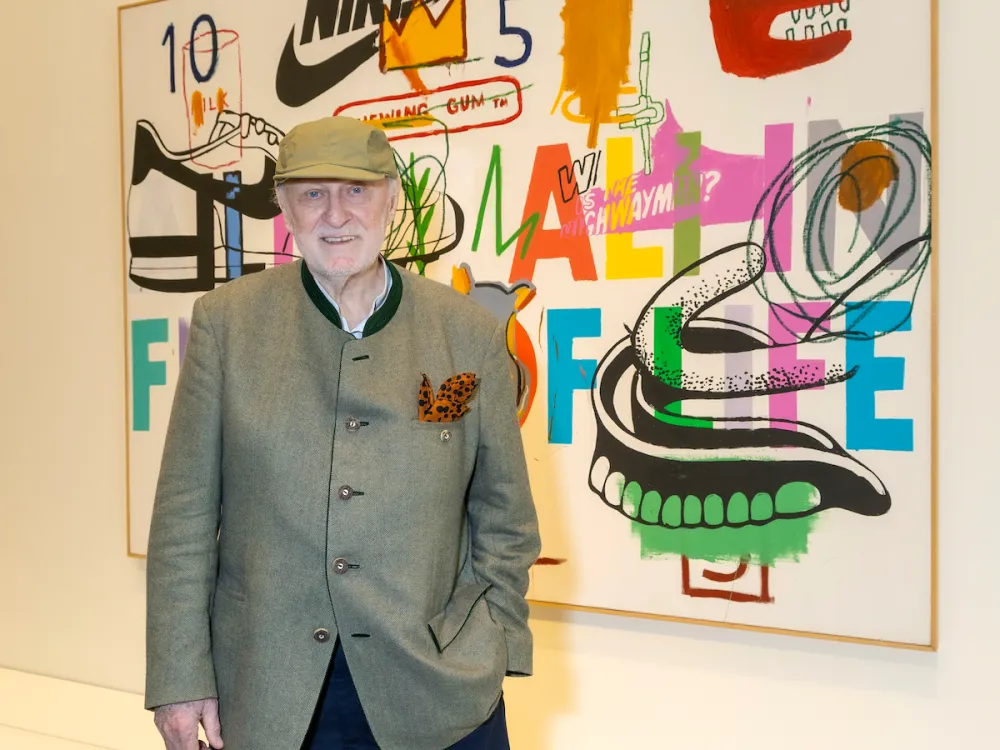
Bischofberger’s influence extended beyond the conventional role of a dealer.
He approached art with a broader cultural perspective, recognising the relationship between creativity, visibility, and context.
This approach allowed him to shape not only careers, but also the way contemporary art was positioned within public consciousness.
His gallery became part of a larger cultural network, contributing to the internationalisation of contemporary art.
This influence remains visible today in the interconnected nature of the global art world.
A Legacy That Continues Through Art
The passing of Bruno Bischofberger marks the end of an important chapter within contemporary art history.
Yet his influence continues through the artists, collaborations, and cultural movements he helped shape.
The relationships he built transformed the way art circulated and how artists were understood within society.
His legacy is not confined to exhibitions or collections. It exists in the ongoing dialogue between art and culture.
Through this connection, his impact remains present across generations of contemporary creativity.
Written by: Linh Giang Nguyen
Published on: 11 May 2026